
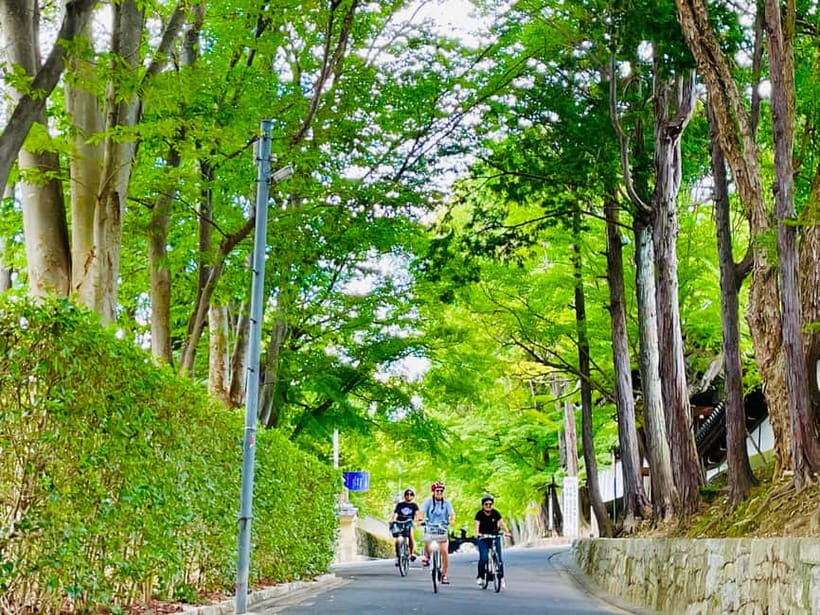
Review · E-BIKE TOURS
Kyoto: Fushimi Inari Shrine and Tofukuji Temple E-Bike Tour
Kyoto’s famous sights are only part of the story. This four-hour e-bike ride links Fushimi Inari Shrine and Tofukuji Temple with quiet lanes, riverside paths, residential streets, and the traditional Gion district. Guide Maki adds the local detail that can be hard to find on your own, from Geisha customs to the difference between Shinto and Buddhism.
I like the small group of up to eight because it keeps the ride personal and makes it easier to ask questions. I also like the mix of major sights and lesser-known stops, with comfortable electric bikes taking the strain out of hills and longer stretches.
The main thing to consider is time. Fushimi Inari is a large shrine complex, but this is a half-day introduction rather than a full shrine visit. You will also need to feel comfortable cycling around a mix of quiet streets and some busy roads.
Key points to know before you book
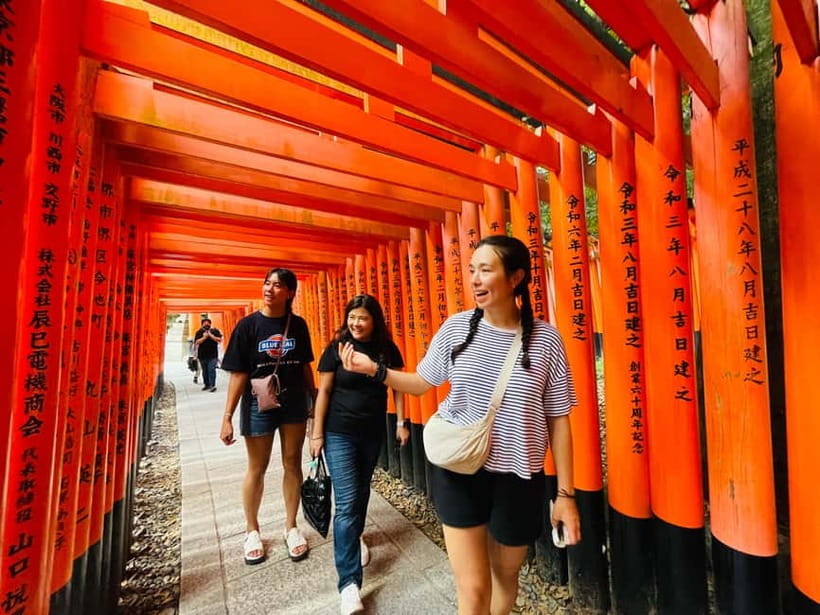
- Maki brings Kyoto to life: Expect stories about history, religion, Geisha culture, customs, infrastructure, and daily life, delivered with humor and clear English.
- The route balances famous and quieter places: You visit Fushimi Inari and Tofukuji, while also seeing residential streets, small shrines, temples, alleys, and riverside routes.
- The e-bikes make the ride manageable: The electric assistance helps on steeper sections and late in the tour when your legs are tiring.
- You ride through real neighborhoods: Gion is only one part of the route. The ride also gives you a look at how people live away from Kyoto’s main sights.
- It is an active cultural tour: Expect a mix of cycling, walking, standing, listening, temple visits, and short breaks.
- The value is strong for a half day: At $83 per person, the price includes the guide, bike, helmet, insurance, water, snack, and admission to two places.
Why an e-bike is a smart way to see Kyoto
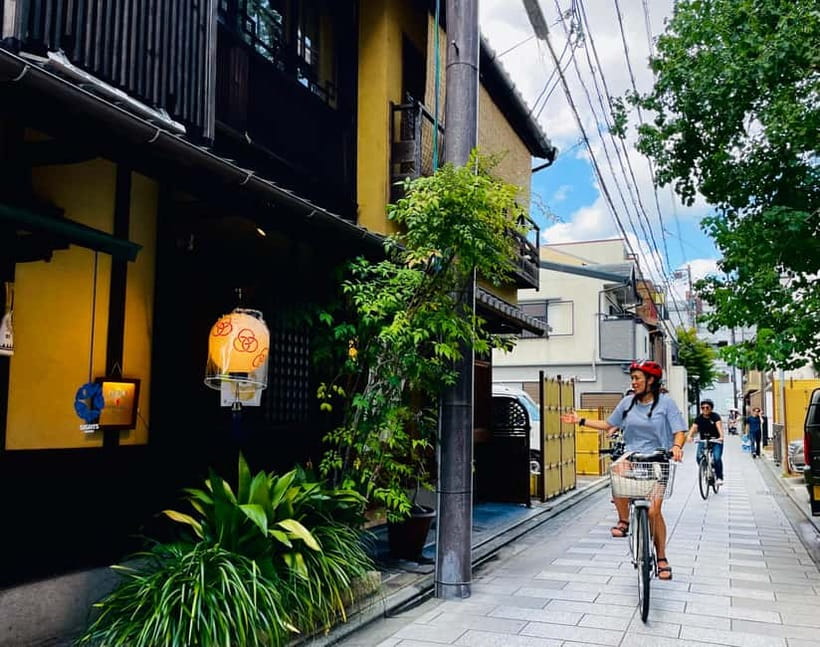
Kyoto’s center is compact on a map, but its sights are spread across several districts. Buses can be crowded, taxis add up, and walking between Gion, Fushimi, and Tofukuji takes time. An e-bike gives you a useful middle ground: you cover more ground than on foot without spending the day underground, on a bus, or inside a vehicle.
You begin near Higashiyama-Sanjo at Pedal Adventure Kyoto. Before setting off, you receive an orientation on the bike and on riding in Japan. That matters if you are used to cycling on the opposite side of the road or are unsure about navigating city traffic.
The electric assistance is especially useful on inclines and during the final part of the route. You still pedal, but the motor helps smooth out the effort. Several families and older adults found the ride easy to manage, while riders who already enjoy cycling appreciated the extra range.
This is not a fast cycling excursion. The pace includes regular stops for explanations, questions, photos, and temple visits. You should be prepared to ride in a line, follow Maki’s instructions, and regroup when the route passes through busier areas.
More E-Bike Tours in Japan
- Hidden Kyoto E-Biking tour
★ 5.0 · 1,843 reviews - 5 Top Highlights of Kyoto Full Day Bike Tour (E-bike option)
★ 5.0 · 511 reviews - Kyoto: Memory Kyoto E-Bike Tour
★ 4.8 · 297 reviews
Starting in Gion and seeing everyday Kyoto
The first major section takes you through Gion, Kyoto’s best-known traditional district. It is an important place to discuss Geisha culture, local customs, and the difference between the public image of Kyoto and the way the city functions day to day.
Gion is more than a backdrop for photographs. Its lanes, wooden buildings, shrines, and tea houses reflect a long tradition of entertainment and hospitality. Maki uses the area to explain Geisha customs in a way that connects the district to modern Kyoto rather than treating it as a costume display.
From there, the ride moves beyond the postcard version of the city. You pass through residential areas and quieter streets where you can see ordinary Kyoto life. The route has been praised for showing places you would probably miss if you stayed only on the standard sightseeing circuit.
That change of scenery is one of the tour’s strongest features. You might spend one moment near a major shrine and the next ride beside a creek, through a small lane, or past a quiet local temple. The contrast helps you understand Kyoto as a living city, not just a collection of historic buildings.
Fushimi Inari Shrine and the meaning behind the torii gates
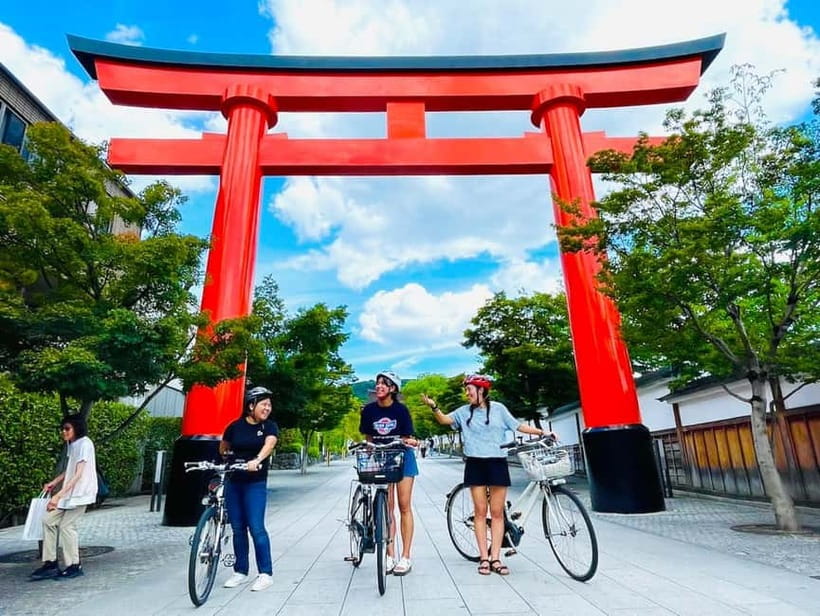
Fushimi Inari Shrine is the tour’s best-known stop. It is one of Japan’s most recognizable religious sites, famous for its long passages of orange torii gates climbing the wooded hillside.
The shrine is dedicated to Inari, a Shinto deity associated with rice, prosperity, and business. Fox statues appear throughout the grounds because foxes are traditionally viewed as messengers of Inari. Maki explains the customs and symbols so you can look beyond the bright gates and understand what you are seeing.
The visit also gives you a useful introduction to Shinto. You learn how Shinto practices differ from Buddhist traditions, a subject that can otherwise seem confusing when temples and shrines appear side by side throughout Kyoto.
Keep your expectations sensible. Fushimi Inari is extensive and popular, and the four-hour schedule does not allow you to explore every path or climb as far as you might on a dedicated visit. One person wanted more time at the shrine, especially after losing some minutes while the group got comfortable with the bikes.
Still, the stop works well in this format. You get the essential setting, an explanation of its religious importance, and time to take in the famous gates without giving up the rest of the route. If you plan to walk far up the mountain, return independently on another day.
Tofukuji Temple and a quieter pause
Tofukuji Temple offers a different mood from Fushimi Inari. Rather than focusing on a famous sequence of gates, the visit centers on Buddhist architecture, temple grounds, and a Zen garden.
The garden provides a welcome pause after the ride. You can sit quietly, look at the arrangement of stones and plants, and let the tour’s information settle before getting back on the bike. This slower moment is valuable because the experience is not just a checklist of sights.
Maki explains the role of the temple and the ideas behind Zen practice. You do not need prior knowledge of Japanese religion to follow along. The explanations focus on what you can see, which makes the visit more useful than simply being told the temple’s name and date.
Tofukuji also helps balance the tour. Fushimi Inari is bright, crowded, and instantly recognizable. Tofukuji offers a calmer setting where you can notice design, quiet, and atmosphere. Together, the two stops show different sides of Kyoto’s religious culture.
More Historic Bike Tours in Japan
- Historical Kyoto E-Bike Tour
★ 5.0 · 181 reviews - 4.5-hr Kyoto Historical Highlights Bike Tour with UNESCO
★ 4.7 · 13 reviews - 5-Hour Osaka Bike Tour to the Neighborhood of Osaka Castle
★ 5.0 · 319 reviews - Half-day Himeji Castle Town Bike Tour with Lunch
★ 5.0 · 81 reviews
What Maki adds to the ride
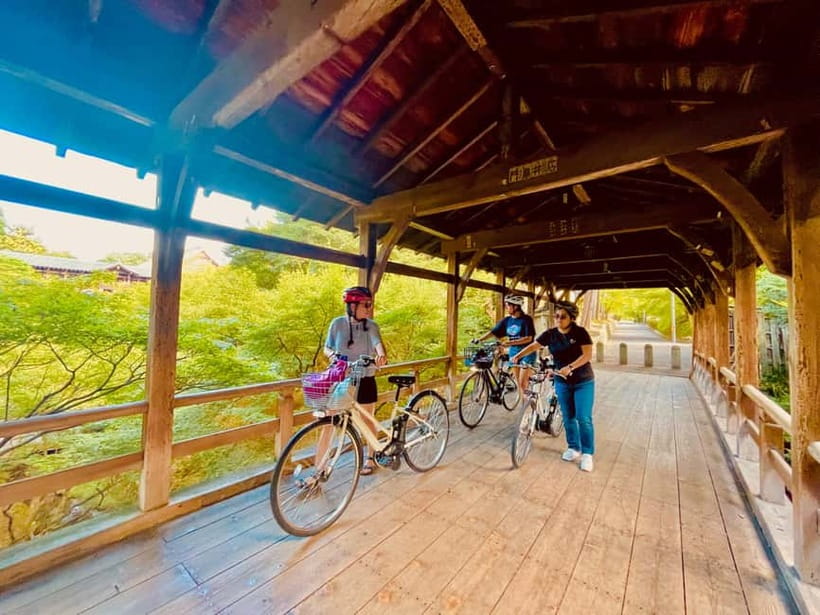
The guide can make or break a cycling tour, and Maki is the clear personality at the center of this experience. She is described as warm, funny, energetic, and easy to understand in English. Her style combines facts with personal stories, jokes, visual aids, and time for questions.
A binder with pictures has helped her explain subjects that can be hard to picture while standing beside a busy street. She also discusses samurai battles, Japanese customs, religion, Geisha culture, infrastructure, and everyday life.
Her local perspective is especially useful when you are trying to understand social details that guidebooks often explain only briefly. She can show you how to approach a shrine, explain the difference between a temple and a shrine, and put local traditions into context.
Maki also takes photos for the group. That is a small but practical benefit, especially for families who otherwise end up with one person missing from every picture. She has also offered suggestions for the rest of a visitor’s time in Kyoto.
Because the group rides together and then gathers around the guide at stops, you should stay close when explanations begin. One rider suggested a microphone and earpiece for easier listening, so people at the back may occasionally need to move closer before Maki starts speaking.
Cycling conditions, safety, and physical effort
The route includes both quiet roads and busier city sections. Maki gives an explanation of Japanese cycling rules at the start and leads the group through traffic. Riders repeatedly described feeling safe, but you still need basic confidence on a bicycle.
You should be able to start, stop, steer, and follow directions without constant help. The route is not presented as physically demanding, yet it includes a mix of cycling and walking. You may also encounter inclines, crossings, and sections where traffic requires extra attention.
The e-bikes are in good condition and described as clean, sturdy, comfortable, and easy to use. Helmets and insurance are included. Water, a snack, and cold drink breaks help on warm days, while sunscreen is sensible because parts of the route are exposed.
Wear comfortable clothes and shoes suited to pedaling and walking. Bring a water bottle even though one is provided, especially in hot weather. A camera is useful, but keep it secure while riding and use it when the group has stopped.
The minimum age is 12. The activity is not suitable for pregnant women or people with mobility impairments. Families with teenagers have enjoyed it, but parents should decide if their children can manage city cycling and a four-hour active outing.
How the $83 price holds up
At $83 per person, this is not the cheapest way to see Fushimi Inari. You could visit the shrine and Tofukuji independently for less, especially if you already have a bike or plan to use public transport.
The price makes more sense when you count what is included. You receive a live English-speaking guide, electric bicycle, helmet, insurance, water bottle, snack, and entrance fees for two places. You also get a planned route connecting several districts, cultural explanations, cycling support, and help with photography.
The strongest value is the time saved. You do not need to work out the best route between Gion, Fushimi, and Tofukuji, or figure out how to combine major sights with quieter streets. You also get context at each stop, which is difficult to reproduce with a quick translation of a sign.
For a visitor who wants a focused introduction to Kyoto, $83 is fair. It is especially good value if you enjoy active sightseeing and would otherwise pay for separate transport, admission, and a guide. It is less suitable if you prefer long, unhurried visits at one temple or want a private tour.
Who will enjoy this Kyoto bike tour most
I would recommend this experience to first-time Kyoto visitors who want an overview before exploring independently. It gives you a sense of the city’s layout and helps you recognize the religious and cultural details you will see elsewhere.
It also suits families with older children and teenagers. The bikes add movement to a subject that can become tiring after several temples, while Maki’s humor and personal stories keep the cultural material approachable.
Couples and friends who enjoy cycling will appreciate the freedom of moving through the city at street level. The route is also a good fit if you want to avoid spending seven or eight hours on a temple-focused excursion.
You may want something else if you dislike riding in traffic, have limited balance, or want an entirely slow and contemplative day. The tour is friendly and well paced, but it remains an active group outing with a fixed schedule.
Practical details before setting off
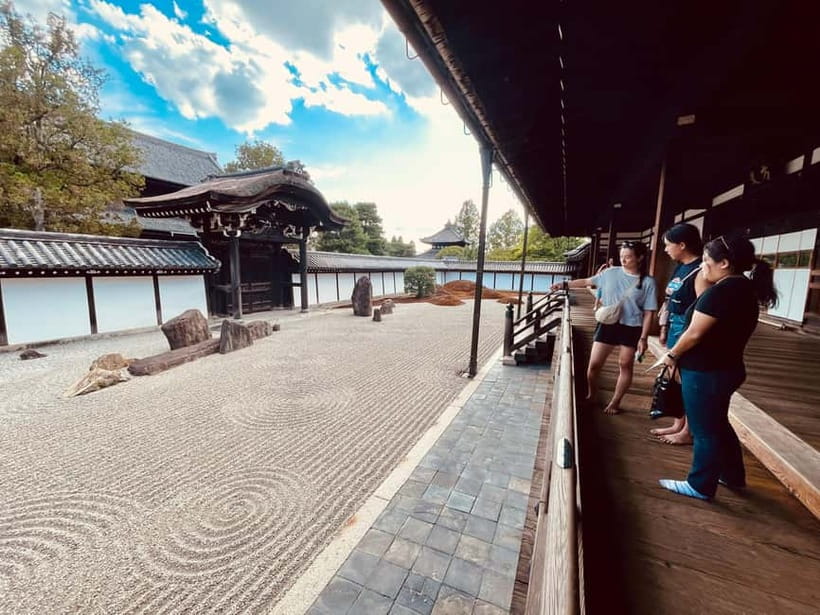
The meeting point is Pedal Adventure Kyoto, near Higashiyama-Sanjo. Hotel pickup and drop-off are not included, so allow time to reach the starting point on your own.
The tour lasts four hours and is offered in English. Availability depends on the selected starting time, so check the schedule when booking. The maximum group size is eight, which keeps the ride smaller than a large coach excursion but does not provide the flexibility of a private outing.
You can cancel up to 24 hours ahead for a full refund, and the reserve-now, pay-later option helps if your Kyoto schedule is still changing. Lunch is not included, so plan to eat before or after the ride.
The package includes entrance fees for two places, but the experience still involves outdoor riding in changing weather. Comfortable clothing, sunscreen, water, and a camera are sensible choices.
Should you book it?
Book this tour if you want to connect Kyoto’s famous sights with the quieter city between them. The combination of Gion, residential streets, Fushimi Inari, Tofukuji, and riverside riding gives you more variety than a standard temple walk.
The biggest reason to choose it is Maki’s guiding style. Her humor, personal stories, cultural explanations, and care with road safety turn a simple bike rental into a proper introduction to Kyoto.
Think twice if you need a completely gentle pace, cannot cycle confidently, or want extensive time at Fushimi Inari. For most active visitors aged 12 and up, though, this is a well-priced half-day outing that helps you see more of Kyoto while understanding what you are looking at.
FAQ
How long is the Kyoto e-bike tour?
The tour lasts four hours. It includes cycling, walking, explanations, shrine and temple visits, and rest stops.
What places does the tour visit?
The route includes the Gion district, Fushimi Inari Shrine, and Tofukuji Temple. It also passes through Kyoto neighborhoods, quieter streets, and riverside areas.
Who is the guide?
The guide named for this experience is Maki. She leads the group in English and discusses Kyoto customs, Geisha culture, history, Shintoism, Buddhism, and daily life.
Is the tour suitable for children?
The minimum age is 12. Teenagers have taken part, but children should be comfortable cycling, following road instructions, and handling a four-hour active outing.
Are electric bikes and helmets included?
Yes. The electric bicycle rental and helmet are included in the price.
What else is included?
The package includes a live local guide, insurance, a snack, a water bottle, and entrance fees for two places.
Is hotel pickup included?
No. Hotel pickup and drop-off are not included. You meet at Pedal Adventure Kyoto.
What should I wear and bring?
Wear comfortable clothes and shoes suitable for cycling and walking. Sunscreen, a water bottle, and a camera are recommended.
Can I cancel the booking?
Yes. You can cancel up to 24 hours in advance for a full refund. A reserve-now, pay-later option is also available.
More Historic Bike Tours in Kyoto
- Historical Singapore Bike Tour on Full-Sized Bicycles
★ 5.0 · 1,421 reviews - Barcelona: 2.5-Hour Bike or E-Bike Historical Tour
★ 4.5 · 1,262 reviews - Asheville Historic Downtown Guided Electric Bike Tour with Scenic Views
★ 5.0 · 1,234 reviews - Krakow: Bike Tour of Old Town, Jewish Quarter and the Ghetto
★ 4.9 · 1,155 reviews
More E-Bike Tours in Kyoto
- E-Bike Tours of the highlights of Kyoto!!!
★ 5.0 · 291 reviews - Kyoto: City Secrets eBike Tour
★ 4.9 · 196 reviews - Kyoto: Hidden Gems E-Bike Tour with Local Japanese Guide
★ 4.9 · 189 reviews - Arashiyama Bamboo Forest E-Biking Tour
★ 5.0 · 183 reviews
Latest bike tours added in Kyoto
- Kyoto: City Secrets eBike Tour★ 4.9 · 196 reviews
- Best of Kyoto: Ginkakuji & Path of Philosophy E-Bike Tour★ 4.9 · 79 reviews
- Kyoto: Hidden Gems E-Bike Tour Through Backstreets & Temples★ 4.9 · 54 reviews
- Kyoto: Tailored E-Bike Tour to Highlights & Hidden Gems★ 4.9 · 32 reviews
- Kyoto: Half-day Guided Bike Tour with Fushimi Inari★ 4.9 · 21 reviews
- Kyoto: Full Day Bike Tour★ 4.9 · 39 reviews
- Kyoto: Hidden Gems E-Bike Tour with Local Japanese Guide★ 4.9 · 189 reviews
- Kyoto: Early Bird E-Bike Tour with Lunch★ 5.0 · 14 reviews
E-Bike Tours, compared.

3-Hour Porto Highlights on a Electric Bike Guided Tour
Read our review →
Hills, Alfama, and Mouraria Tour by Electric Bike
Read our review →
Athens Scenic Electric Bike Tour with optional Acropolis visit
Read our review →
City Highlights 3-Hour Guided Electric Bike Tour
Read our review →
Rome EBike Tour: Appian Way, Catacombs & Roman Aqueducts
Read our review →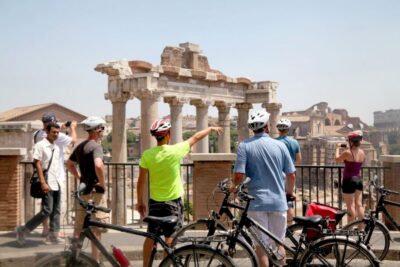
Top Highlights & Hidden Gems Tour by Cannondale E-Bike
Read our review →Browse the lists this tour appears in