
Review · E-BIKE TOURS
Kyoto: Hidden Gems E-Bike Tour with Local Japanese Guide
Kyoto’s best moments are not always found on its busiest streets. This small-group e-bike tour takes you from the Gojo area toward northeastern Kyoto, using the Kamogawa River, quieter lanes, and city bike paths to link several memorable sights. You’ll visit Ginkaku-ji, the Philosopher’s Path, Nanzen-ji, and Heian Jingu without spending the whole morning on buses.
I like the friendly, international feel created by guides such as Aska, who has lived in both North Carolina and London. I also like the mix of riding and sightseeing: you get river views, temple grounds, local streets, shopping time, and plenty of conversation. The catch is simple: this is still city cycling, so you need to be comfortable riding near pedestrians and moderate traffic.
Key points at a glance
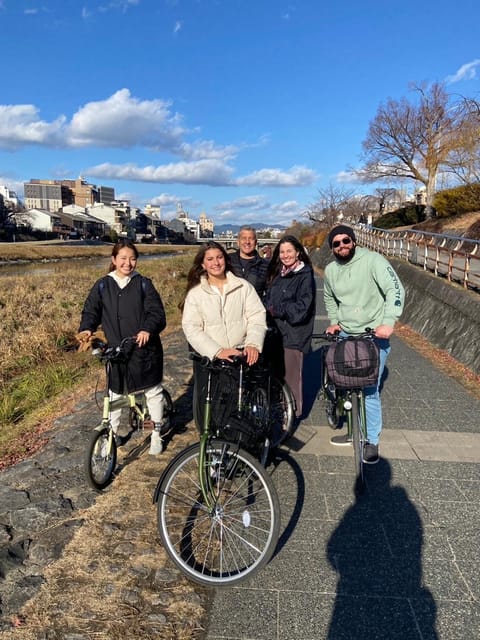
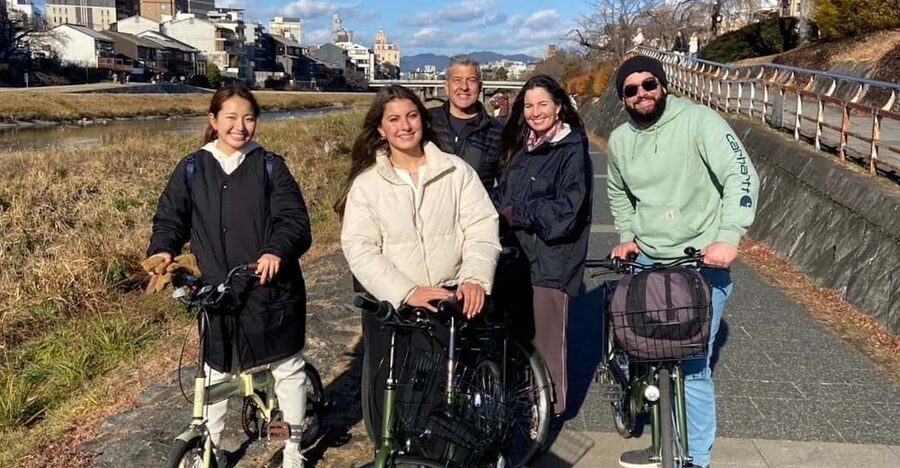
- Ride beside the Kamogawa River: The route includes a peaceful stretch along the river and the chance to hop across its famous stepping stones.
- Visit four distinct Kyoto sights: Ginkaku-ji, the Philosopher’s Path, Nanzen-ji, and Heian Jingu each offer a different view of the city.
- Meet an English-speaking local: Aska and the other guides have lived abroad, making it easy to discuss Japanese culture and ask practical questions.
- Use an electric bike: The motor helps on Kyoto’s longer stretches and gentle inclines, so you can cover more ground without exhausting yourself.
- Keep the group small: A maximum of eight participants makes it easier to stay together and ask questions.
- Expect a relaxed pace: The tour runs about 210 minutes, with time to stop, look around, and browse for coffee, matcha crepes, or souvenirs.
Why an e-bike makes sense in Kyoto
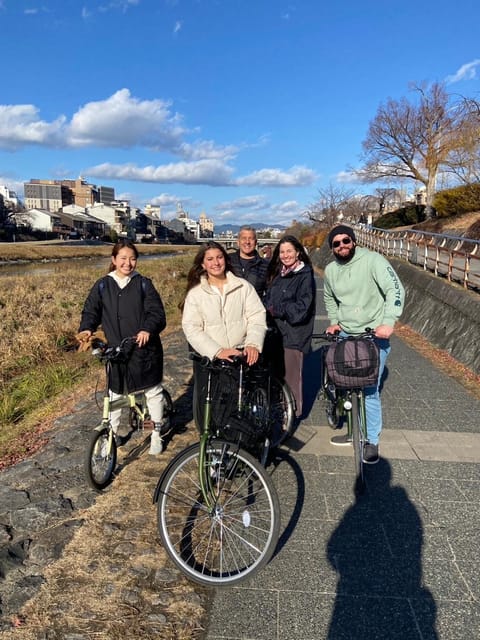
Kyoto is compact on a map but spread out in practice. The temples of northeastern Kyoto are not impossible to reach by public transportation, yet buses can be crowded, slow, and subject to traffic. Walking between all the stops would also take much of your day.
An electric bike gives you a useful middle ground. You still pedal and feel part of the city, but the motor takes the strain out of longer stretches and uphill sections. One participant who had never used an e-bike before found it easy and relaxing, while another noted that only light pedaling was needed on the route.
The bikes are not described as brand-new across the board, but the overall experience points to comfortable, usable equipment. Helmets and bike rental are included. A few riders praised the condition and cleanliness of the bikes, while one person suggested allowing a few minutes at the start to adjust the bike and review the route.
That is a fair practical point. Arrive ready to ask for a seat-height adjustment and a quick explanation of the controls. If you are new to electric bikes, you should feel comfortable before leaving the shop.
More E-Bike Tours in Japan
- Hidden Kyoto E-Biking tour
★ 5.0 · 1,843 reviews - 5 Top Highlights of Kyoto Full Day Bike Tour (E-bike option)
★ 5.0 · 511 reviews - Kyoto: Memory Kyoto E-Bike Tour
★ 4.8 · 297 reviews
Starting at Gojo and heading northeast
You meet your guide at a bicycle rental shop in the Gojo area. From Kyoto Station, the meeting point is about six minutes by train or roughly 20 minutes on foot. Hotel pickup is not provided, so plan that first leg carefully and arrive in comfortable clothing and shoes.
The route heads northeast toward Ginkaku-ji, also known as the Silver Pavilion. You are not simply transported from one famous site to another. The riding between stops is part of the point, giving you a look at Kyoto’s waterways, residential streets, bridges, and everyday rhythm.
Aska founded the tour with a strong interest in lower-impact sightseeing. Cycling lets you cover a useful distance without relying on a vehicle, and it gives you a closer view of the city than a bus window does. The guides also aim to create a social outing rather than a formal lecture, so expect questions, conversation, and practical suggestions for the rest of your Kyoto visit.
Crossing the Kamogawa River
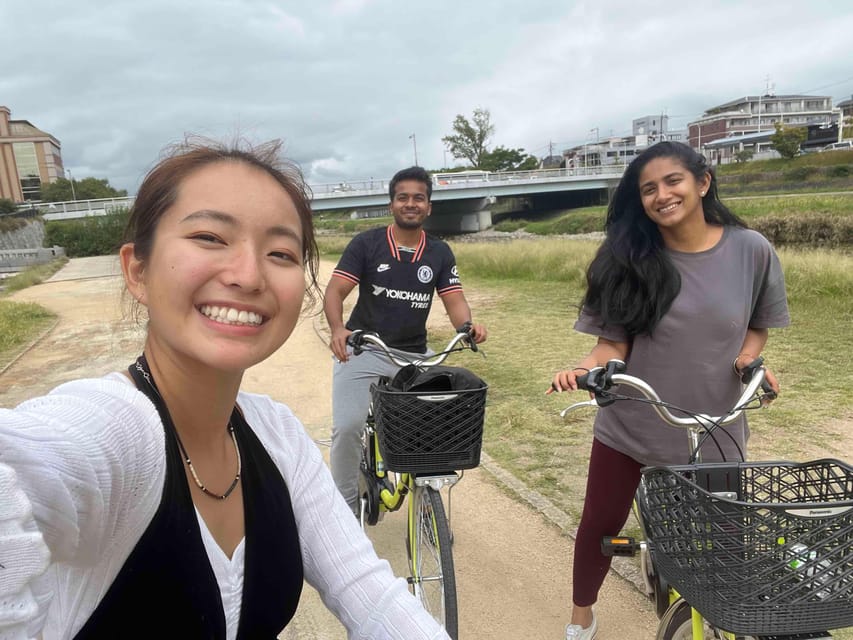
One of the most enjoyable early sections follows the Kamogawa River. The riverbanks offer open views and a welcome break from Kyoto’s denser streets. You may also get the chance to cross on the large stones set in the water, a small but memorable local activity.
This is a good example of what makes the tour different from a standard temple circuit. You are not only checking off sights. You are seeing how people use the city’s public spaces, and you are moving through Kyoto at a pace that lets you notice the route itself.
The river section can also be one of the most comfortable parts of the ride, but conditions vary. Summer can be very hot, and the route includes areas shared with pedestrians. You should ride steadily and keep control of the bike rather than treating the path like an empty road.
Ginkaku-ji and time for a snack
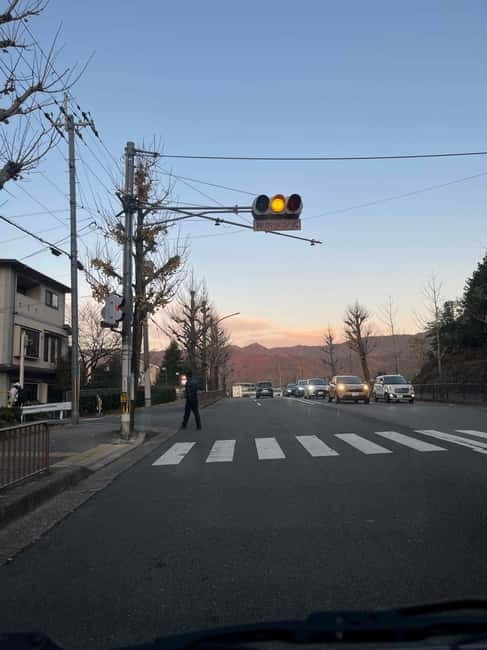
Ginkaku-ji is the first major stop. The temple is famous for its restrained design and gardens, and it gives you a quieter contrast to Kyoto’s more showy landmarks. The included entry ticket is useful here, since you do not need to arrange admission separately during the tour.
Near the temple, you get free time on a shopping street. This is your chance to browse for small souvenirs, stop for coffee, or try a matcha crepe. The break adds flexibility to the morning and lets you enjoy the area without being rushed from one photo stop to the next.
The shopping time is also a reminder that this is not a purely historical tour. You will have room to make your own small choices, but do not expect a long shopping session or a full meal. Food and water are not included, so bring water and budget separately for anything you want to eat.
More E-Bike Tours in Kyoto:
- E-Bike Tours of the highlights of Kyoto!!!
★ 5.0 · 291 reviews - Kyoto: City Secrets eBike Tour
★ 4.9 · 196 reviews - Arashiyama Bamboo Forest E-Biking Tour
★ 5.0 · 183 reviews - Historical Kyoto E-Bike Tour
★ 5.0 · 181 reviews
The Philosopher’s Path by bicycle
From Ginkaku-ji, the ride continues along the Philosopher’s Path. This famous route follows a canal and is known for its calm setting, especially when seasonal color appears. Cycling here gives you a pleasant change of pace after the temple visit.
The path can be busy, particularly during spring blooms or the autumn leaf season. One rider enjoyed the route but pointed out that the group encountered both pedestrians and traffic, making confident bike handling important. You may need to slow down, give people plenty of space, and walk the bike briefly if conditions are crowded.
That tradeoff is worth understanding before you book. The tour avoids Kyoto’s busiest tourist zones overall, but it does not promise empty paths. Popular sights remain popular, especially on weekends and during peak seasonal color.
Nanzen-ji and its large-scale setting
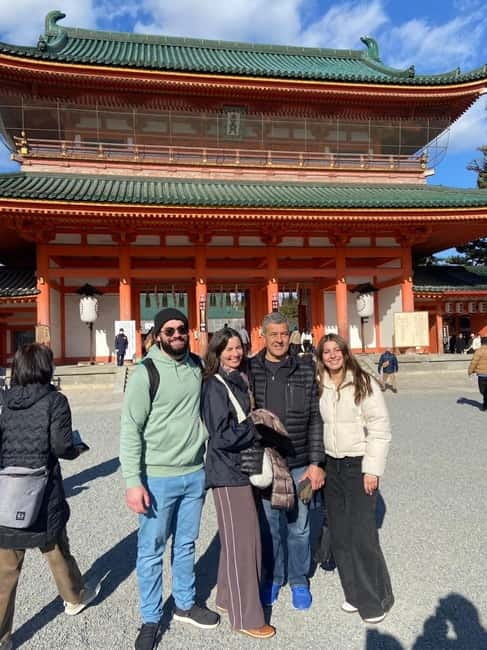
The next stop is Nanzen-ji, one of the most impressive temple complexes in this part of Kyoto. The tour highlights its grand view and includes time to appreciate the setting rather than simply stopping for a quick picture.
Nanzen-ji is especially useful in a tour like this because it shows another side of Kyoto’s temple design. Ginkaku-ji feels refined and controlled, while Nanzen-ji gives you a stronger sense of scale. You can take in the gates, temple grounds, and the well-known brick aqueduct nearby, which several riders remembered as an interesting part of the route.
Your guide provides historical and cultural background, but the format is not overloaded with facts. Participants often valued the balance: enough explanation to understand what you are seeing, with plenty of time to ride, look around, and ask your own questions.
Finishing at Heian Jingu
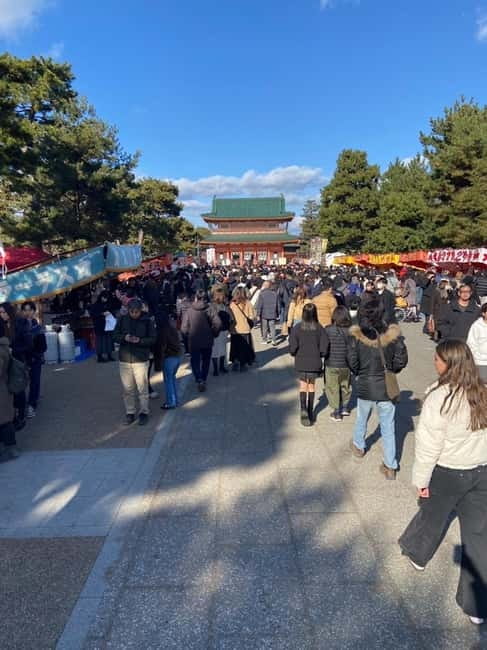
The final listed stop is Heian Jingu Shrine. Its broad grounds and distinctive architecture provide a fitting end to the sightseeing portion of the ride. After the smaller-scale gardens and temple paths earlier in the tour, the shrine gives you a more open, ceremonial setting.
This stop also helps round out the route. In about three to three and a half hours, you see temples, a shrine, a canal, a river, shopping streets, and ordinary Kyoto neighborhoods. You are not getting an exhaustive tour of each site, but you are getting a useful first look at northeastern Kyoto.
The tour ends back at the rental shop. If you want to continue cycling after the scheduled route, the operator may arrange an extended rental. That can be a practical option if you want to keep exploring independently, though you should ask about the price and availability before the tour ends.
The guides are a major part of the experience
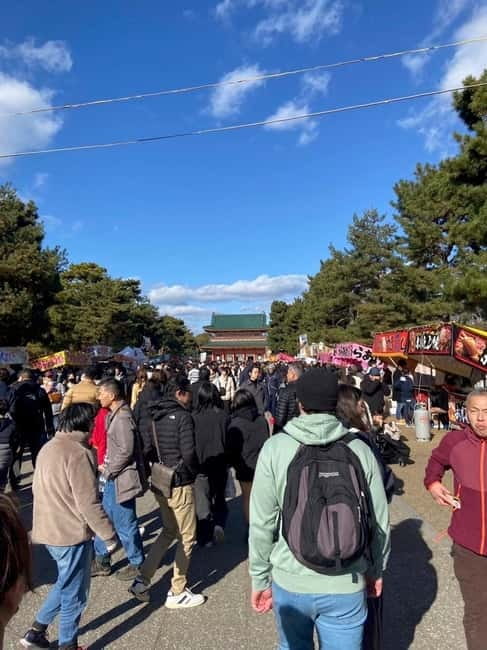
Aska is the founder and one of the main guides. Her time studying and living in the United States and the United Kingdom helps her explain Japanese customs in clear English while also understanding the questions international visitors tend to ask.
She is not the only guide you may meet. Other young Japanese guides, including Natsuki, Tai, Tatsuya, and Asuka, have also led tours. The common thread is English ability, friendliness, and experience living abroad.
That matters because the tour is built around conversation. You can ask about places to eat, other parts of Kyoto, souvenir shopping, or how to plan the rest of your Japan trip. The social side is strongest when the group is small, and a group of five or six gives the guide enough time to interact with everyone.
The tone is casual rather than formal. If you want a lengthy academic talk at every temple, this may feel light. If you prefer useful context, a relaxed pace, and a guide who can answer questions as they come up, the format should suit you well.
How difficult is the cycling?
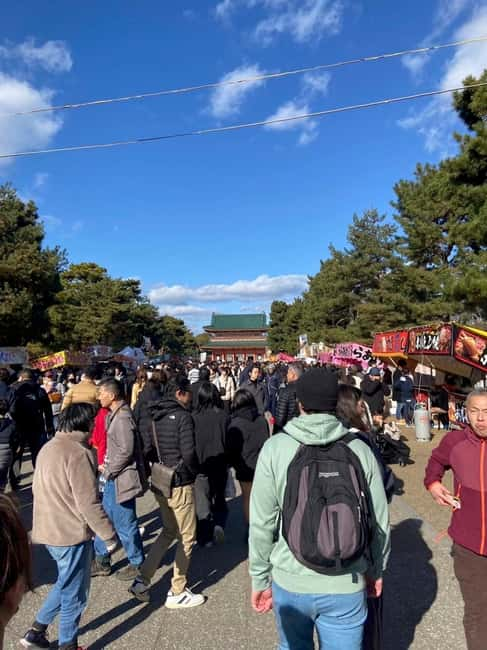
The tour is aimed at people who already know how to ride a bike. It is not suitable for anyone who cannot cycle, and it is not designed for people with a low level of fitness. Children under 12, pregnant women, wheelchair users, people with diabetes, and people over 95 are listed as unsuitable for the activity.
You do not need to be an athlete. Several participants in their sixties found the pace manageable, and the electric assistance reduces effort. Still, you should be a confident cyclist who can steer, brake, start, and stop around other people.
The route includes quiet river riding but also moderately trafficked roads and pedestrian areas. Keep your attention on the guide and the road, not only on the scenery. High heels, oversize luggage, and large bags are not allowed, so bring only what you can carry comfortably.
Weather can affect the outing. If it rains, raincoats may be available, or the tour can be rescheduled. Summer heat is another consideration. A morning departure may be more comfortable than an afternoon ride during hot weather, and an early start can also help with crowds.
Is $75 a fair price?
At $75 per person, the tour is not the cheapest way to see Kyoto, but the price covers several useful items: the electric bike, helmet, guide, entry ticket, and parking fees. You are also paying to connect several destinations that would take more planning by yourself.
The value is strongest if you want an introduction to Kyoto by bicycle but do not want to work out the safest route, rental process, temple sequence, and navigation on your own. A private taxi would cost much more, while public transportation would not give you the same river and street-level experience.
Food, water, tips, and hotel transfers are extra. You should bring water and a small amount of spending money for the shopping street. The ability to cancel up to 24 hours before the tour for a full refund, along with reserve-now and pay-later booking, gives you some useful flexibility.
Who should book this tour?
I would recommend it to first-time Kyoto visitors who want to see several important sights while also getting beyond the main transport routes. It is especially good for solo visitors and couples who like meeting people, asking questions, and sharing a morning with a small international group.
It also suits moderately fit adults who do not want to walk seven or eight miles in a day. The e-bike does much of the hard work, but you still need steady cycling skills and enough stamina for a three-and-a-half-hour outing.
I would think twice if you dislike riding near pedestrians, need full accessibility, want a completely private tour, or prefer to spend a long time inside each temple. The route is relaxed, but it covers several stops, so the day has a clear rhythm.
Should you book the Kyoto e-bike tour?
Book this tour if you want Kyoto to feel like a lived-in city rather than a string of isolated attractions. The best parts are the Kamogawa River, the changing scenery between stops, the small group, and the chance to talk with a Japanese guide who can help shape the rest of your trip.
Choose an early start if possible, especially in hot weather or during autumn color season. Arrive ready to adjust your bike, bring water, wear practical clothes, and ride with confidence. If those details suit you, $75 buys an efficient and personable way to see northeastern Kyoto without spending the day on crowded buses.
FAQ
How long does the Kyoto e-bike tour last?
The tour lasts about 210 minutes, or roughly three to three and a half hours.
Where does the tour begin and end?
You meet at a bicycle rental shop in the Gojo area, and the tour ends back at the same rental shop.
How far is the meeting point from Kyoto Station?
The meeting point is about six minutes from Kyoto Station by train or about 20 minutes on foot.
Which places does the tour visit?
The route includes Ginkaku-ji, the Philosopher’s Path, Nanzen-ji, and Heian Jingu Shrine. It also follows the Kamogawa River and includes time near a shopping street by Ginkaku-ji.
Is the tour conducted in English?
Yes. The live tour guide language is English.
How many people can join the group?
The group is limited to eight participants.
What is included in the price?
The price includes the electric bike, helmet, tour guide, entry ticket, and parking fees.
What should I bring?
Bring comfortable shoes, comfortable clothes, water, and money for optional food or shopping. Large bags and oversize luggage are not allowed.
Can the tour operate in the rain?
If it rains, the operator may provide raincoats or reschedule the tour. You should confirm the arrangement for your date if bad weather is expected.
Latest bike tours added in Kyoto
- Kyoto: City Secrets eBike Tour★ 4.9 · 196 reviews
- Best of Kyoto: Ginkakuji & Path of Philosophy E-Bike Tour★ 4.9 · 79 reviews
- Kyoto: Hidden Gems E-Bike Tour Through Backstreets & Temples★ 4.9 · 54 reviews
- Kyoto: Tailored E-Bike Tour to Highlights & Hidden Gems★ 4.9 · 32 reviews
- Kyoto: Half-day Guided Bike Tour with Fushimi Inari★ 4.9 · 21 reviews
- Kyoto: Full Day Bike Tour★ 4.9 · 39 reviews
- Kyoto: Early Bird E-Bike Tour with Lunch★ 5.0 · 14 reviews
- Kyoto: Full-Day City Highlights Bike Tour with Light Lunch★ 5.0 · 52 reviews
E-Bike Tours, compared.
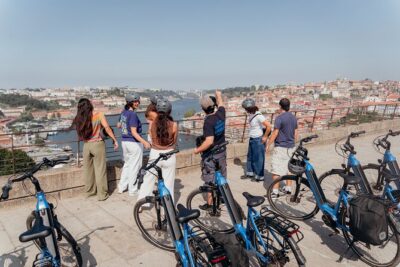
3-Hour Porto Highlights on a Electric Bike Guided Tour
Read our review →
Hills, Alfama, and Mouraria Tour by Electric Bike
Read our review →
Athens Scenic Electric Bike Tour with optional Acropolis visit
Read our review →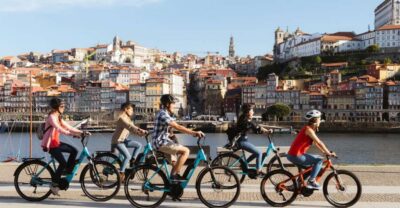
City Highlights 3-Hour Guided Electric Bike Tour
Read our review →
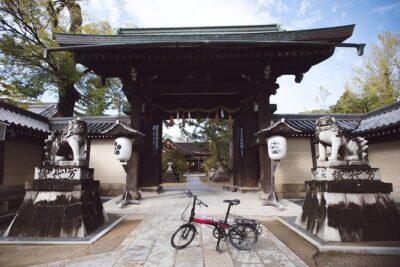
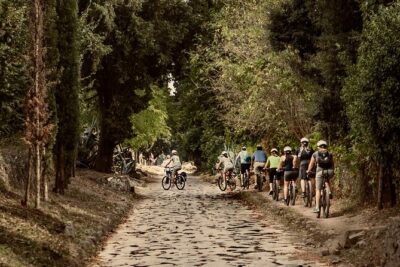
Rome EBike Tour: Appian Way, Catacombs & Roman Aqueducts
Read our review →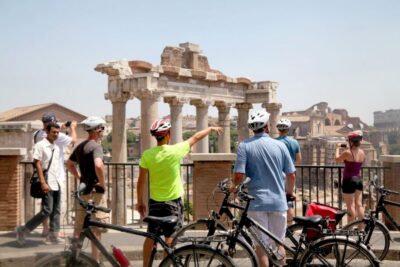
Top Highlights & Hidden Gems Tour by Cannondale E-Bike
Read our review →Browse the lists this tour appears in