
Review · E-BIKE TOURS
Hidden Kyoto E-Biking tour
Kyoto’s best moments often come between the famous sights. This small-group e-bike ride takes you from Kinkakuji and Kitano Tenmangu into quiet lanes, temple compounds, and Zen gardens that are easy to miss on foot. I like the mix of headline sights and calmer corners, plus the way guides such as Yuta, Michael, Sean, and Henry add context about Buddhism, Shinto, geisha culture, and daily life.
I also like the practical design: electric assistance, a helmet, water, and a route of roughly 7 to 8 kilometers make the ride manageable for many people over age 13. The main consideration is that you still need to be comfortable on a bicycle. There are hills, descents, and road riding, and one guide’s long historical explanations may feel too slow if you prefer quick stops and lots of cycling.
Key points to know before you book
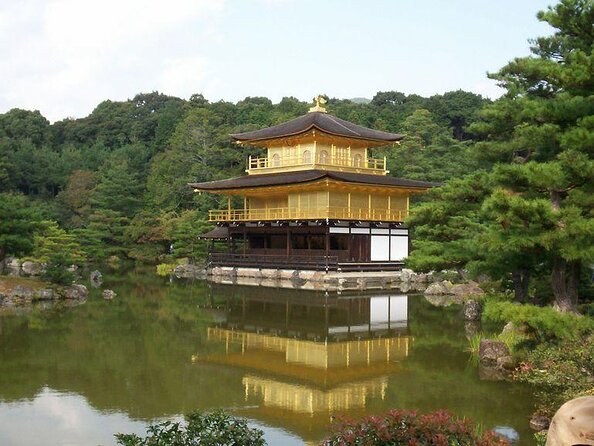
- See Kinkakuji without spending the whole morning there: The Golden Pavilion is the famous opening act, not the entire experience.
- Ride through northern Kyoto’s quieter side: Backstreets and temple lanes show a calmer side of the city than the usual central sights.
- E-bikes make the hills reasonable: Electric power helps on inclines, though you still need basic cycling confidence.
- Expect strong cultural storytelling: Yuta, Michael, Sean, Henry, and other guides explain Zen, Shinto, Buddhism, geisha history, and temple manners.
- Keep the group small: The tour has a maximum of eight people, which helps with safety and questions.
- Plan around the weather and a strict start: Arrive 15 minutes early, and remember that poor weather can cancel the ride.
Why a bicycle works so well in northern Kyoto
Kyoto can feel spread out. Its temples and shrines sit among residential streets, school routes, small shops, and wooded hills. Walking between major sights takes time, while a bus can leave you watching traffic instead of the city.
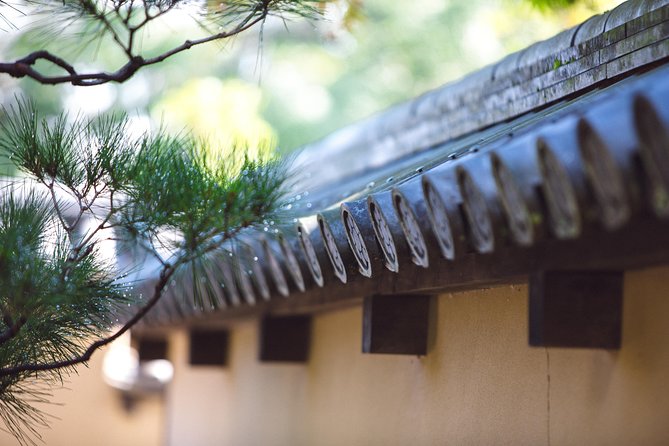
A bicycle gives you a better middle ground. You cover more ground than on foot, but you still notice tiled roofs, narrow lanes, temple walls, and changes in elevation. The electric motor takes much of the strain out of uphill riding, so you can pay attention to the scenery rather than counting the minutes until the next stop.
The route is described as an easy, laid-back ride, but do not read that as no effort at all. You must steer, brake, start, stop, and share parts of the road. Some sections include hills and descents. If you have not ridden for years, tell the guide at the beginning and use the bike-training time to get comfortable.
The small group matters here. With no more than eight riders, the guide can keep an eye on the group and answer questions without using a loudspeaker. That is especially useful on narrower streets and when the group stops near a temple entrance.
More E-Bike Tours in Japan
- 5 Top Highlights of Kyoto Full Day Bike Tour (E-bike option)
★ 5.0 · 511 reviews - Kyoto: Memory Kyoto E-Bike Tour
★ 4.8 · 297 reviews - E-Bike Tours of the highlights of Kyoto!!!
★ 5.0 · 291 reviews
Starting at NORU near Kitano
The tour begins at NORU Kyoto Bike Tours, at 429-22 Takigahanachō in Kamigyo Ward. You are asked to arrive 15 minutes before departure. Morning departures are listed at 8:30 and 9:00, with afternoon options at 12:30 and 1:00.
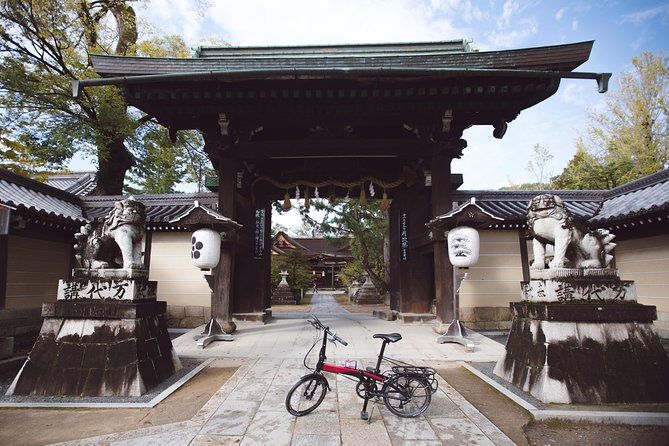
You receive a foldable rental bike, helmet, and water. The guide provides an English-speaking route introduction and basic instruction before the group sets off. This is not a race, and the advertised distance is modest, roughly 4.3 to 4.9 miles, or about 7 to 8 kilometers depending on how the route is measured.
The folding-bike format is useful at the start and finish, especially around a shop in a built-up part of Kyoto. The important point for you is simple: arrive ready to ride, not just ready to collect a rental bike. Closed shoes, comfortable clothing, and sun or rain protection are sensible choices. Food is not included, so eat beforehand or plan a meal after the ride.
Kinkakuji gives the tour a famous first stop
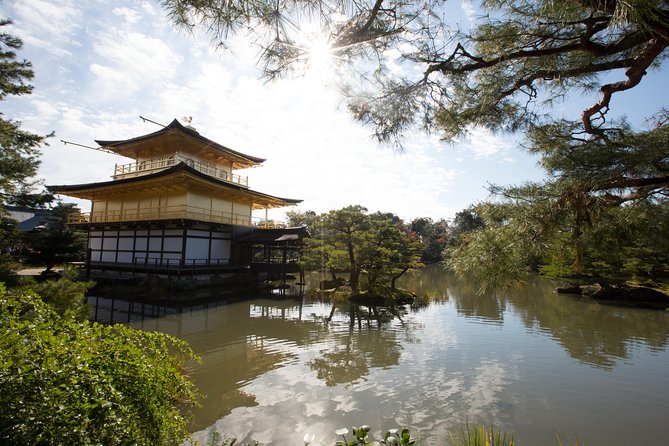
Kinkakuji, the Golden Pavilion, is the most instantly recognizable sight on the route. Its gold-covered upper floors reflect in the pond, creating the classic Kyoto image that appears in guidebooks and on postcards.
Seeing Kinkakuji early gives you a useful reference point. You get the major landmark, then move beyond the standard sightseeing circuit instead of spending the whole outing in the busiest part of the city. Your guide can also explain how Japanese religious sites function, though the exact amount of time at each stop depends on the group and the day.
There is one practical limitation: this is not a dedicated Kinkakuji visit with unlimited time. The tour includes several important stops, so you should not book it if your main goal is detailed independent photography at the pavilion. Book it if you want Kinkakuji as one part of a wider northern Kyoto route.
Daitokuji shows a quieter temple complex
Daitokuji is a large temple complex with a strong Zen connection. Rather than one single building, it is a collection of temple spaces, walls, gardens, and lanes. That makes it a natural fit for a bicycle tour, because you experience the scale of the complex and the quieter setting around it.
This is where the guide’s explanations can make a real difference. Yuta has been especially good at discussing Zen Buddhism, while other guides have explained the difference between Shinto and Buddhism, temple customs, and the meaning behind certain practices. The tour is not just a series of photo stops. It gives you a framework for understanding why Kyoto has so many religious sites and how they fit into Japanese culture.
The tradeoff is time. A guide who takes care with history and symbolism may spend longer talking than you expect. One account of the tour found the explanations too lengthy for a short ride. If you want a rapid sightseeing loop, this may feel talk-heavy. If you enjoy stories and cultural background, the pauses are part of the value.
More E-Bike Tours in Kyoto:
- Kyoto: City Secrets eBike Tour
★ 4.9 · 196 reviews - Kyoto: Hidden Gems E-Bike Tour with Local Japanese Guide
★ 4.9 · 189 reviews - Arashiyama Bamboo Forest E-Biking Tour
★ 5.0 · 183 reviews - Historical Kyoto E-Bike Tour
★ 5.0 · 181 reviews
Kitano Tenmangu brings a different religious tradition
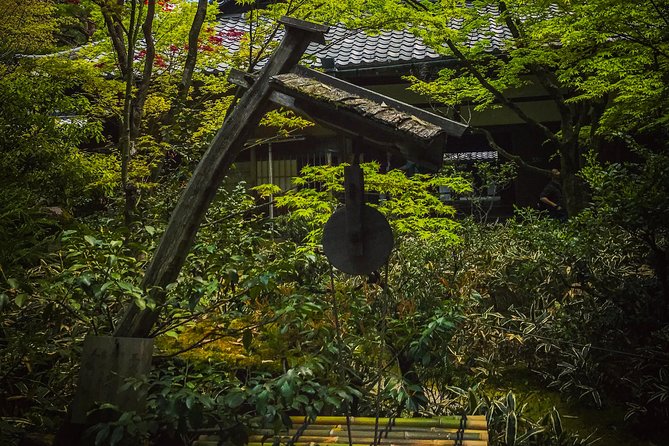
Kitano Tenmangu is a major shrine dedicated to Sugawara no Michizane, a figure associated with scholarship. The atmosphere differs from a Zen temple, and that contrast helps you see that Kyoto’s religious life is not one single tradition.
Your guide can explain shrine manners, the difference between Shinto and Buddhist spaces, and the small details that are easy to miss when you visit alone. This practical context is valuable. You learn when to bow, how to approach a worship area, and why a shrine may look and feel different from a temple.
The route also lets you arrive by quieter streets rather than treating every sight as a transfer from one bus stop to another. That change of pace is one of the strongest reasons to choose this tour. You get a sense of ordinary Kyoto between the formal gates and grand buildings.
Koto-in and Zuihoin add the Zen element
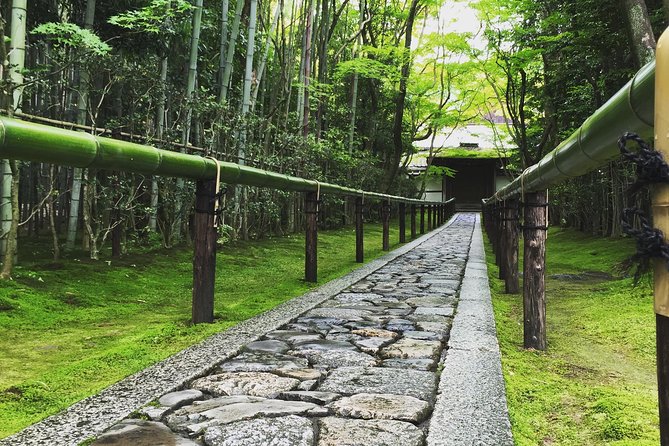
Koto-in is known for its calm setting, shaded approach, and garden atmosphere. It is the sort of place where the quality of the path and the feeling of stillness matter as much as a single building. The visit gives the tour a pause from famous landmarks and a chance to appreciate Kyoto’s restrained garden design.
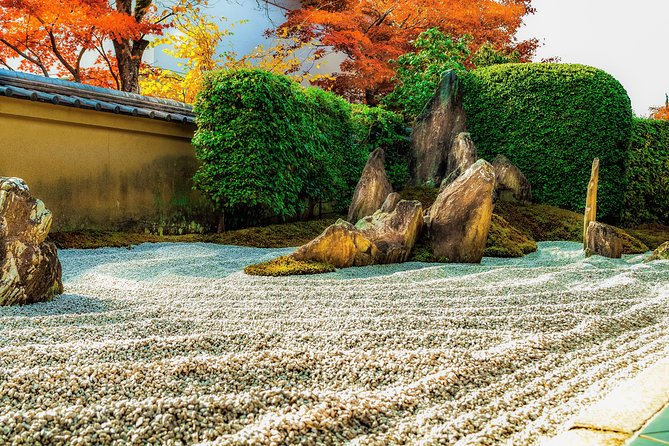
Zuihoin adds another Zen setting to the route. Together, these stops support the tour’s quieter theme. You are not simply collecting famous names. You are seeing how gardens, temple architecture, stone arrangements, and controlled views create a sense of calm.
The exact access and time at each temple can vary, so keep your expectations flexible. The tour includes the named sites, but it is still a guided bicycle outing, not a full architectural study. You may get a concise explanation at one stop and a longer conversation at another.
A tea stop has also been part of the experience, including a charming tea and sweets break at a place described as more than a thousand years old. Treat this as a pleasant feature of the route rather than a guaranteed meal. Food and drinks are not included in the stated package unless specifically noted.
The guide can shape the whole morning
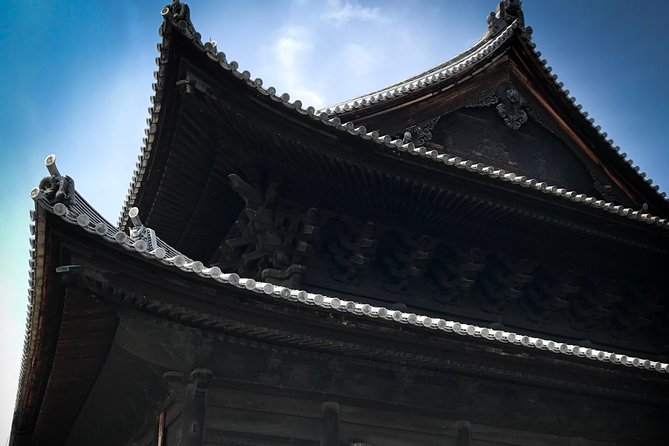
The route is consistent, but the guide’s style can change the experience. Yuta is known for clear English and detailed discussions of Zen, geisha and maiko history, samurai-era Japan, tea ceremony customs, and temple etiquette. Michael is a strong storyteller, with a background in Japanese history teaching. Sean has been especially attentive to questions, weather needs, and restaurant recommendations. Henry brings long experience living in Japan and often adds useful cultural detail.
That range is a real strength. You are not only being led from point A to point B. You can ask why a ritual is performed, how a temple differs from a shrine, or what to look for in a garden. Several guides also offer food suggestions after the ride, which can help you plan lunch.
Still, this is not a silent cycling tour. Expect regular stops and spoken explanation. If you want to pedal continuously, you may find the storytelling interrupts your rhythm. I would choose this tour for cultural understanding first and exercise second.
What the e-bike changes for you
The electric assistance is not a gimmick. Northern Kyoto includes inclines, and the extra power helps you manage them without arriving at each temple overheated. It also makes the outing more realistic for people who are not regular cyclists.
Several riders over age 60 have managed the route, and one person who had not cycled for more than a decade found the ride doable. That does not remove the need for caution. You should be able to ride a bicycle, control your speed, and handle a descent.
The bikes are described as good quality and easy to use. You receive basic training before departure, which helps if e-bikes are new to you. Ask questions before leaving the shop. It is better to adjust the seat, practice the controls, and understand the brakes at the start than to feel uneasy beside traffic later.
Weather, timing, and value at $116
At $116 per person, this is not the cheapest way to see Kyoto. You are paying for a bike, helmet, water, a small group, an English-speaking guide, and access to a route that would take more planning to reproduce on your own.
The value is strongest if you want cultural explanation plus transport between spread-out sights. A self-guided rental may cost less, but you would need to choose a route, understand the temple areas, manage navigation, and research the meaning behind what you see. A larger bus tour may cover more distance but usually gives you less flexibility and less personal contact.
The experience lasts about 3 hours and 45 minutes. That is long enough to make the bike useful, but short enough to fit into a morning or afternoon of sightseeing. I like booking it early in a Kyoto visit because it can help you get your bearings and provide restaurant or shopping suggestions for later.
Weather deserves attention. The tour requires good weather and may be canceled if conditions are poor. You can be offered another date or a full refund in that case. Bring your own rain jacket or poncho if rain is possible, and consider gloves in cool or wet weather. If you arrive late, miss the departure, or decide you cannot ride, you do not receive a refund.
You may cancel for a full refund up to 24 hours before the start time. Changes made less than 24 hours before departure are not accepted, so do not wait until the last minute if your schedule is uncertain.
Who should book this Kyoto bike tour
I would recommend it to active visitors who want more than the standard temple checklist. It suits couples, families with children age 13 or older, and solo riders who like a social small-group outing. It is also a good choice for a return visit to Kyoto, when you may want a calmer side of the city.
The tour fits you especially well if you enjoy:
- Listening to stories about Zen, Shinto, Buddhism, geisha, and Japanese history
- Riding at an easy pace rather than racing between sights
- Seeing quiet streets and temple spaces that are less central to the usual route
- Using an e-bike to handle hills
- Asking questions and getting local food suggestions
I would hesitate if you dislike bicycles, have no confidence riding in urban areas, or want a completely private and flexible schedule. You also may prefer another kind of tour if long explanations test your patience. The guides generally bring a lot of substance, but the amount of storytelling can make the ride feel less fast-moving.
Should you book the Hidden Kyoto E-Biking tour?
Book it if you want Kyoto to feel like a city, not just a row of famous gates. Kinkakuji and Kitano Tenmangu give you major landmarks, while Daitokuji, Koto-in, Zuihoin, quiet lanes, and Zen gardens add the calmer character that many short visits miss.
The best reason to choose this tour is the combination of easy electric cycling and serious cultural context. The main caution is equally clear: you need to ride a bike and allow time for detailed explanations. For the right person, $116 buys more than transportation. It buys a well-planned route, a small group, and a guide who can help you understand what you are seeing.
FAQ
How long does the Hidden Kyoto E-Biking tour last?
The tour lasts approximately 3 hours and 45 minutes.
How far do you cycle?
The route covers roughly 7 to 8 kilometers, or about 4.3 to 4.9 miles, depending on how the distance is measured.
What sights are included?
The route includes Kinkakuji Temple, Daitokuji Temple Complex, Kitano Tenmangu Shrine, Koto-in, and Zuihoin.
Are the bike and helmet included?
Yes. A rental bike, helmet, and water are included in the tour price.
What is the minimum age?
The minimum age is 13.
How many people can join the tour?
The maximum group size is eight people.
Where does the tour start and finish?
It starts at NORU Kyoto Bike Tours, 429-22 Takigahanachō, Kamigyo Ward, Kyoto. The ride finishes back at the same meeting point.
What happens if the weather is poor?
The tour requires good weather. If NORU cancels because of poor weather, you are offered another date or a full refund.
Latest bike tours added in Kyoto
- Kyoto: City Secrets eBike Tour★ 4.9 · 196 reviews
- Best of Kyoto: Ginkakuji & Path of Philosophy E-Bike Tour★ 4.9 · 79 reviews
- Kyoto: Hidden Gems E-Bike Tour Through Backstreets & Temples★ 4.9 · 54 reviews
- Kyoto: Tailored E-Bike Tour to Highlights & Hidden Gems★ 4.9 · 32 reviews
- Kyoto: Half-day Guided Bike Tour with Fushimi Inari★ 4.9 · 21 reviews
- Kyoto: Full Day Bike Tour★ 4.9 · 39 reviews
- Kyoto: Hidden Gems E-Bike Tour with Local Japanese Guide★ 4.9 · 189 reviews
- Kyoto: Early Bird E-Bike Tour with Lunch★ 5.0 · 14 reviews
E-Bike Tours, compared.
3-Hour Porto Highlights on a Electric Bike Guided Tour
Read our review →
Hills, Alfama, and Mouraria Tour by Electric Bike
Read our review →
Athens Scenic Electric Bike Tour with optional Acropolis visit
Read our review →
City Highlights 3-Hour Guided Electric Bike Tour
Read our review →
Rome EBike Tour: Appian Way, Catacombs & Roman Aqueducts
Read our review →
Top Highlights & Hidden Gems Tour by Cannondale E-Bike
Read our review →
Lisbon E-Bike Tour Commerce Square, Mouraria and Alfama
Read our review →Browse the lists this tour appears in