
Review · E-BIKE TOURS
Best of Kyoto: Ginkakuji & Path of Philosophy E-Bike Tour
Kyoto’s best moments often come between the headline sights, and this tour gives you a bike, a local guide, and a gentle push from an e-bike to find them. You pedal through quiet lanes toward Ginkakuji and the Philosopher’s Path, then stop at temples, gardens, and shrines without spending the day squeezed into buses.
I like two things here: the pace is relaxed, and the guides make the religious sites easier to understand. Philippe, Kevin, Phillip, Salomé, Niall, and others have been praised for their easy manner and strong grasp of Kyoto’s culture. The main consideration is simple: you need to be a confident cyclist, and the route can feel less leisurely in rain or summer heat.
At a glance
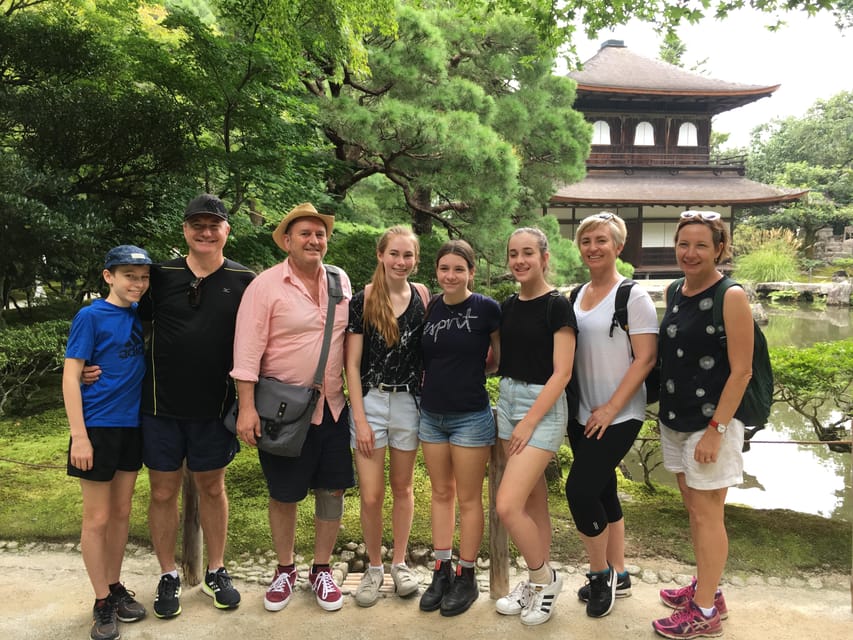
- Ginkakuji and Zen gardens: Spend time at Kyoto’s Silver Pavilion and its carefully shaped grounds.
- Quiet cycling routes: The ride uses back streets and smaller lanes as well as the main sights.
- Useful cultural context: Guides explain Shinto, Zen, Japanese customs, and the places you visit.
- Two very different routes: Choose the East Side course for Ginkakuji and the Philosopher’s Path, or the longer western route for Arashiyama and the Golden Pavilion.
- Comfortable electric bikes: The motor helps with Kyoto’s gentle hills without turning the ride into a race.
- Good flexibility: Private and small-group bookings are available, with free cancellation up to 24 hours before departure.
Why a Kyoto e-bike tour makes sense
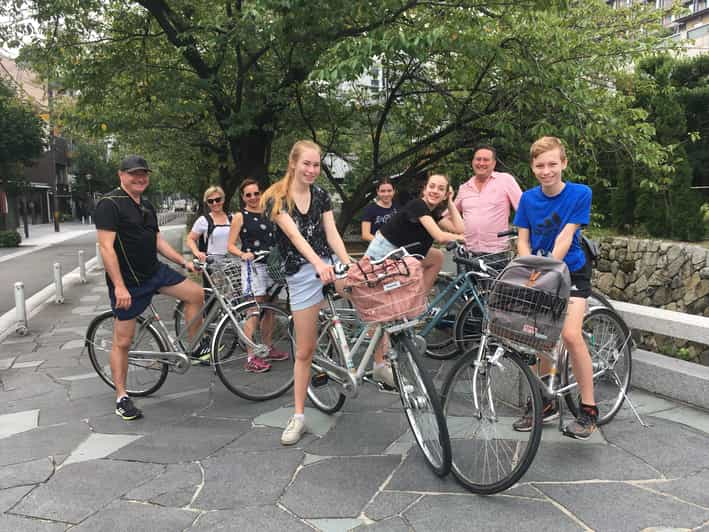
Kyoto’s major sights are spread across a wide area. Walking between them can eat up a large part of your day, while buses often leave you waiting in traffic. A bicycle gives you more ground without making the journey feel like transportation between attractions.
The e-bike is especially useful. Kyoto is not a mountain town, but the eastern and western temple districts have enough inclines to make a long ride tiring. You still pedal, but the electric boost takes the sting out of gentle hills. Several people have found the route easy and mostly flat, with one rider covering about nine miles without feeling worn out.
That distance matters. In four hours, you can see three or four major places and still get a feel for the streets between them. You are not simply ticking off temples from a vehicle window. You are moving at neighborhood level, where small lanes, residential streets, and everyday Kyoto life become part of the day.
The tour costs $69 per person. That is a fair price if you want the bike, helmet, guide, and garden entry handled together. It is especially good value for a first visit, since your guide helps you understand why a Zen garden looks the way it does and how a Shinto shrine differs from a Buddhist temple.
The price does not include lunch or hotel pickup and drop-off. You return to Kyoto Bike Rentals at 222 Koyamacho, though the exact meeting point can depend on the option you book.
More E-Bike Tours in Japan
- Hidden Kyoto E-Biking tour
★ 5.0 · 1,843 reviews - 5 Top Highlights of Kyoto Full Day Bike Tour (E-bike option)
★ 5.0 · 511 reviews - Kyoto: Memory Kyoto E-Bike Tour
★ 4.8 · 297 reviews
Ginkakuji: a quiet start among sand and moss
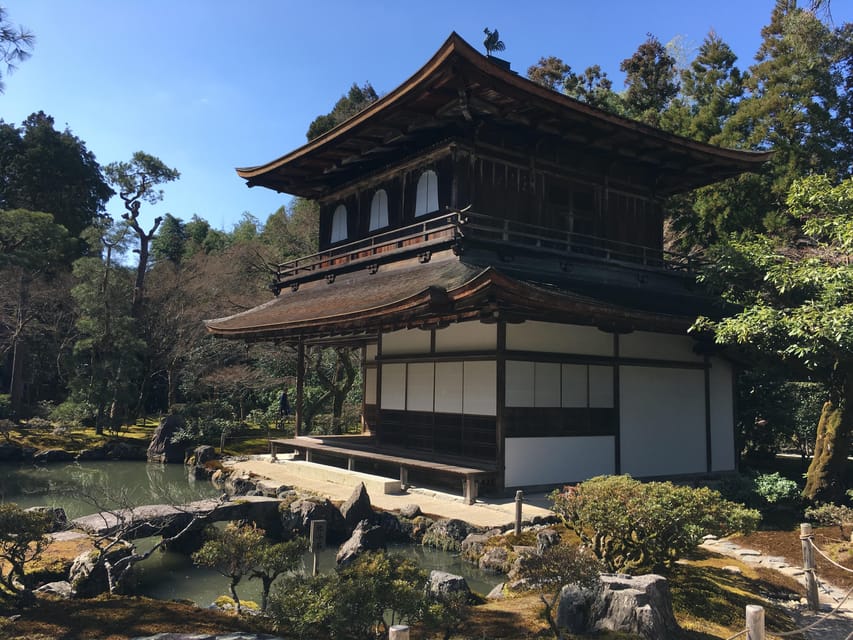
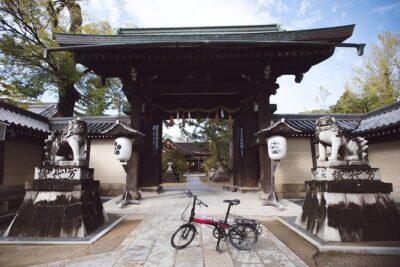
The East Side course begins with Ginkakuji, often called the Silver Pavilion. Despite the name, the building is not covered in silver. The real appeal is the setting: a refined temple garden with moss, trees, water, and carefully raked sand.
This is a place where your guide adds real value. A quick look at a garden can leave you admiring the shapes without understanding them. A good guide can point out how the garden encourages stillness, how Zen ideas appear through simplicity, and why the setting feels controlled without looking stiff.
You have about 45 minutes for the guided visit and bike portion around Ginkakuji. That is enough for an introduction and time to take in the grounds, though not enough for every corner at a slow museum-like pace. If you love gardens and want long stretches of quiet, you may wish for more time here.
The tour includes entry fees to the gardens, so there is no need to sort that out separately. Bring a camera if you like, but also leave room to simply look. Ginkakuji rewards attention to small details more than grand scale.
The Philosopher’s Path by bicycle
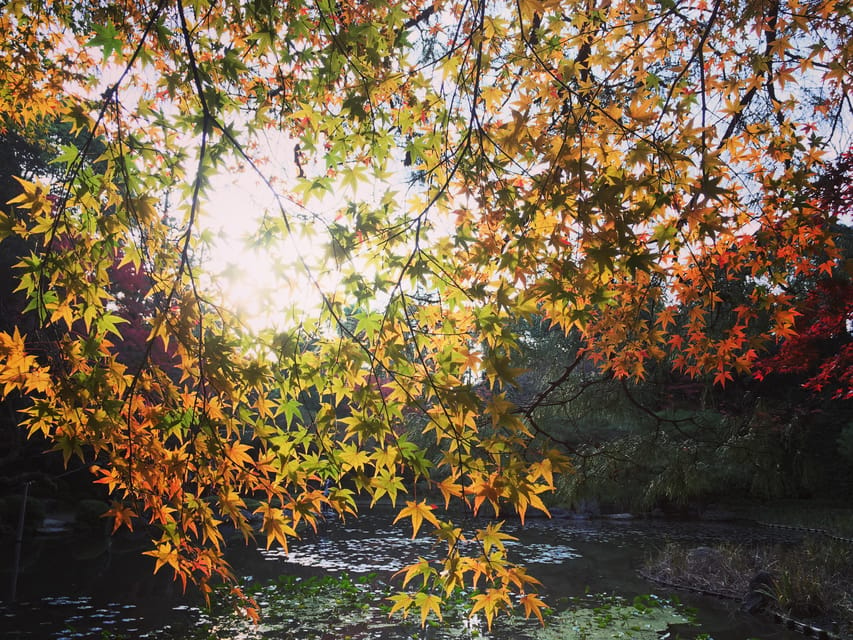
From Ginkakuji, the route follows the Philosopher’s Path, a pleasant canal-side walk that links several important sights in eastern Kyoto. The path is famous for cherry blossoms, but it has appeal outside spring too. Trees, water, narrow lanes, and nearby cafés give the ride a slower feel than central Kyoto.
You spend around 30 minutes cycling here. That timing is useful for seeing the area, but it may feel short if you want to stop often, browse shops, or linger beneath the trees. One rider specifically wished for more time along the path, so keep your expectations in check.
The bicycle makes this section practical, but you should still expect to share space with walkers. This is not a fast cycling stretch. Your guide will set the pace, and the point is to enjoy the surroundings rather than cover ground as quickly as possible.
This part of the tour also shows why a local guide matters. A guide can point out side streets and explain how the canal, temples, and residential areas fit together. The best guides do not fill every minute with facts. Phillip was praised for sharing information when it mattered instead of talking without pause, which is exactly the right approach in a place like Kyoto.
Nanzenji and the texture of temple life
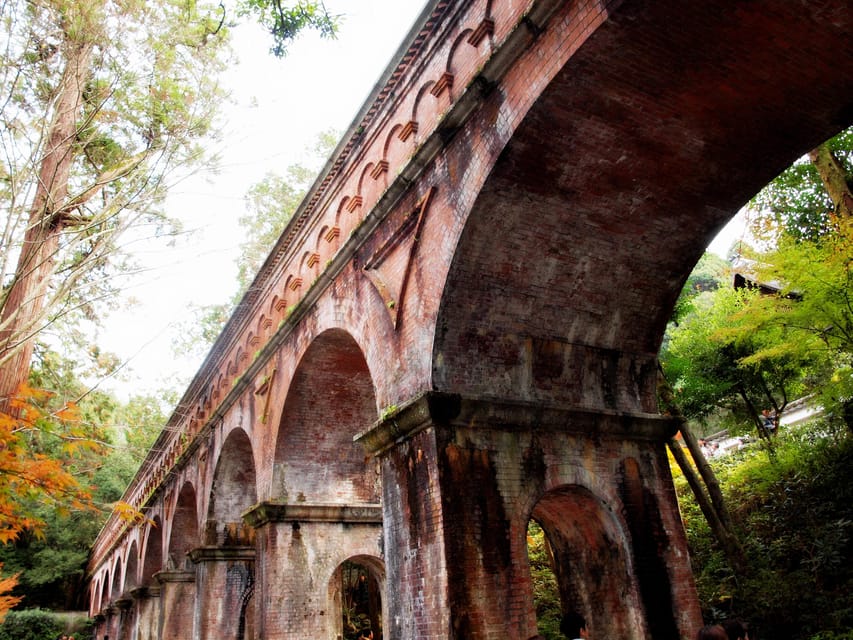
Nanzenji brings a different mood. The temple complex is broad, spacious, and calmer than many of Kyoto’s busiest sights. You can expect about 30 minutes here, enough to visit the grounds and absorb the setting without turning the stop into a full temple study.
Nanzenji is a good place to compare with Ginkakuji. Ginkakuji is known for its garden design and restrained beauty. Nanzenji gives you a larger sense of Buddhist temple space, with gates, paths, buildings, and room to pause.
Your guide can also help separate the words Zen and Shinto, which are often blurred by first-time visitors. This tour includes both Buddhist and Shinto sites, so you get a useful look at how the two traditions appear in Kyoto. You may learn how to approach a shrine, what features identify a temple, and how Japanese religious practice can be part of ordinary life rather than something kept apart from it.
The stop is not built for long independent exploration. If you want to photograph every detail or sit quietly for a long time, the schedule may feel brisk. The tradeoff is that you keep moving and see more of eastern Kyoto in one outing.
More E-Bike Tours in Kyoto:
- E-Bike Tours of the highlights of Kyoto!!!
★ 5.0 · 291 reviews - Kyoto: City Secrets eBike Tour
★ 4.9 · 196 reviews - Kyoto: Hidden Gems E-Bike Tour with Local Japanese Guide
★ 4.9 · 189 reviews - Arashiyama Bamboo Forest E-Biking Tour
★ 5.0 · 183 reviews
Heian Shrine and a change of scale
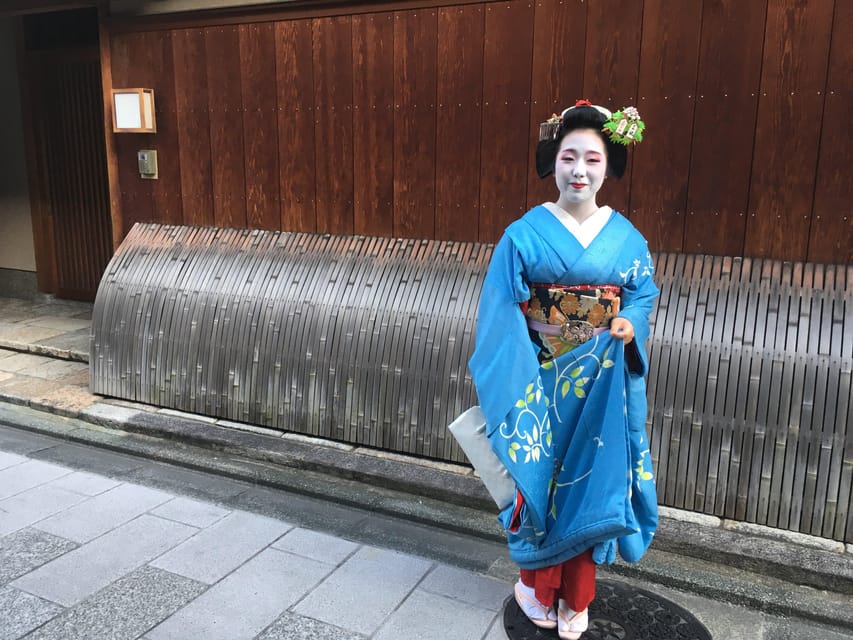
The final major stop on the listed East Side route is Heian Shrine, with around 45 minutes of guided time. This shrine feels different from the Zen temples. Its open grounds and large architectural forms create a more dramatic first impression.
That contrast is useful. Ginkakuji asks you to notice subtle garden design. Nanzenji gives you a broad Buddhist complex. Heian Shrine offers a grander Shinto setting. Seeing all three in one ride helps you compare religious spaces instead of treating every temple and shrine as the same kind of attraction.
The guide-led visit is the part to pay attention to here. You can photograph the gates and open courtyard on your own, but the explanations give the site more meaning. Will, one of the guides, was praised for tailoring explanations to what people had already seen elsewhere in Japan. That kind of adjustment keeps the tour from repeating information you already know.
After Heian Shrine, you return to Kyoto Bike Rentals. The listed activity duration is 210 minutes, while the East Side course is described as roughly four hours. Allow flexibility around the stated timing, especially if your group pauses for photos or makes small route changes.
The western route: Arashiyama, Kinkakuji, and Ryoanji
The tour also offers a longer western course described as the Wild West route. This is the more ambitious choice, with visits to Arashiyama Bamboo Forest, the Golden Pavilion, and Ryoanji Rock Garden. The course is listed at about six hours, so it is not simply a longer version of the eastern ride.
Arashiyama Bamboo Forest is one of Kyoto’s most recognizable sights. The tall bamboo creates a narrow green corridor and an unusual sense of height. It is also a popular place, so the bicycle gets you into the area efficiently, but it does not guarantee solitude. The supplied information also refers to a route involving the bamboo forest, surrounding areas, and the monkey park, though you should confirm exactly which stops are included in the option you choose.
The Golden Pavilion, or Kinkakuji, gives you a very different visual hit from Ginkakuji. Its gold-covered exterior reflects in the pond and is among Kyoto’s most photographed scenes. It is a strong choice if you want classic postcard views, though the stop can feel more crowded and less contemplative than the eastern temples.
Ryoanji is famous for its rock garden. Its simple arrangement invites questions about interpretation, balance, and what you choose to notice. This is one of the places where a guide can make a major difference. You can see fifteen stones arranged on white gravel, but context helps you understand why the garden has become such an important example of Zen design.
Choose the western route if your priority is covering several famous Kyoto sights in one day. Choose the eastern course if you prefer a shorter ride with more emphasis on gardens, Shinto and Zen, and the Philosopher’s Path. Check the booking details carefully, since the route, duration, and meeting point vary by option.
What the guides add
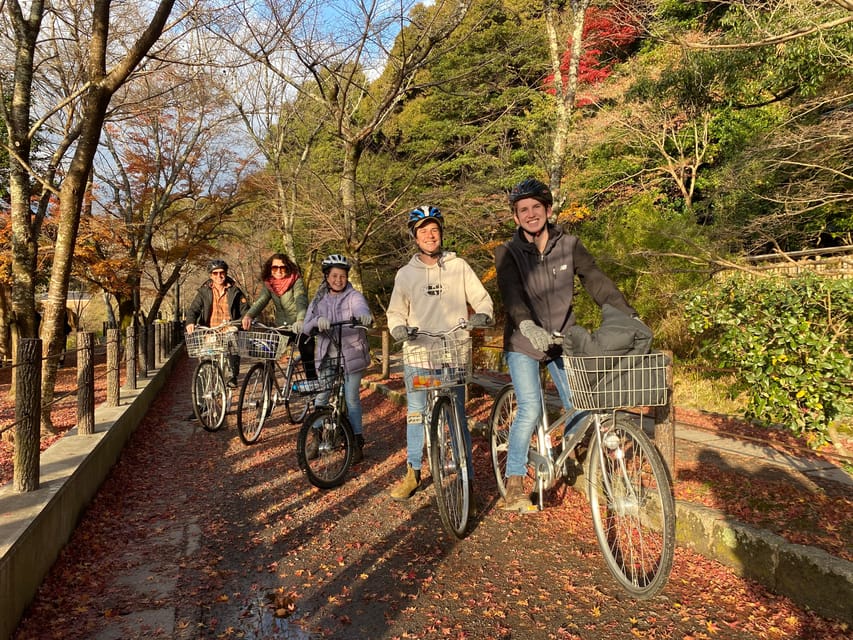
The strongest part of this experience is the human side. Philippe is described as calm, attentive, humorous, and deeply familiar with Japanese culture. Kevin has guided people through the city with a relaxed style, useful stories, and comparisons between Japan and English-speaking countries. Phillip is also praised for his cultural insight and flexible approach.
Names can change with the schedule, but these details show the style to expect. The guides are not simply there to lead a line of bicycles. They answer questions, adjust the pace, and can sometimes make room for a short hike or an improvised picnic stop.
That flexibility is valuable on a private or small-group tour. You can ask about Shinto customs, Japanese food, geisha culture, daily life, or the difference between a shrine and a temple. You are also less likely to spend the whole ride listening to a fixed speech.
The experience is available in English and French. If language matters to you, select the right guide option when booking.
Cycling comfort, weather, and practical limits
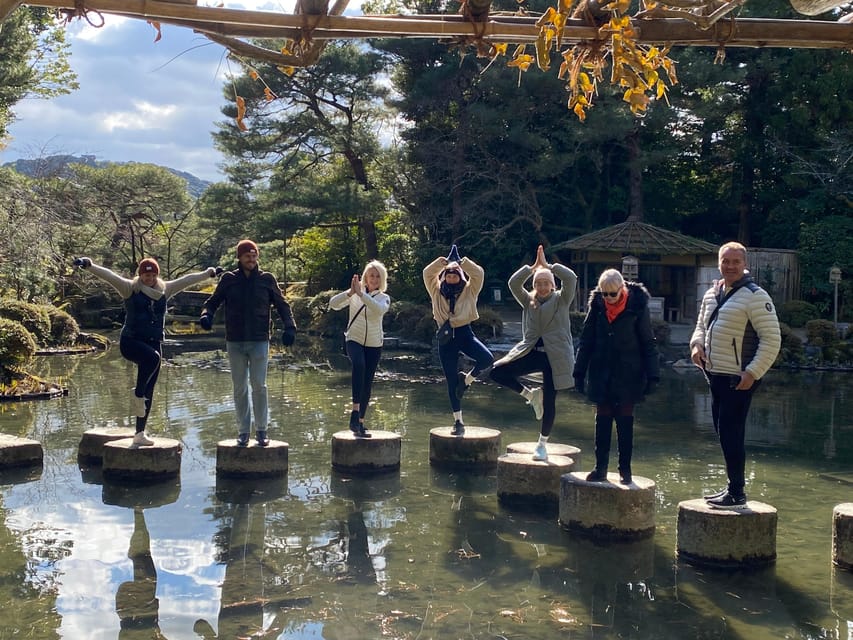
You need to be a confident cyclist. The guide can end the tour if there is concern about anyone’s safety, and that is sensible in a city where you share roads with cars, pedestrians, and other bicycles.
The ride is described as relaxed, with much of it on flat ground and only gentle hills. Still, you should be comfortable starting, stopping, steering, and riding for several hours. An e-bike helps with effort, but it does not remove the need for road awareness.
Kyoto weather can change the feel of the day. In light rain, you may reschedule, switch to a walking tour, or continue in a poncho. Heavy rain can lead to cancellation with a full refund. Summer heat may also make the ride feel harder, so take the relaxed pace seriously and do not treat the tour as a race.
Helmets and e-bike rental are included. Lunch is not, so plan around the route and timing. One group improvised a picnic, with the guide helping account for dietary needs, but that should be treated as a possible arrangement rather than a standard included meal.
Who should book this Kyoto bike tour?
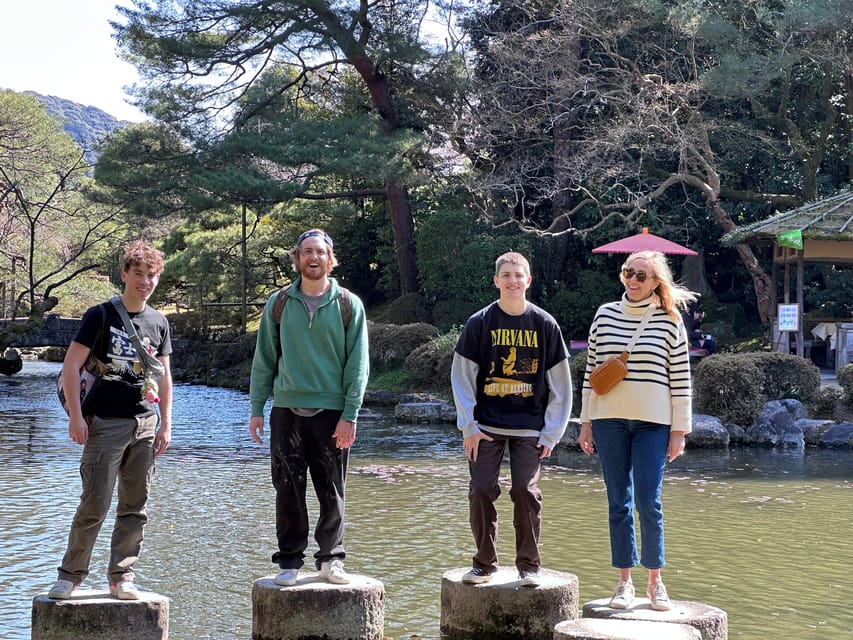
I would choose this tour if you want to see several major sights without spending the day on public transport. It suits couples, families with confident cyclists, and first-time visitors who want cultural explanations without a rigid lecture.
It is also a good match if you have already seen central Kyoto and want to reach temple districts by a more enjoyable route. The private option makes sense for people with special interests, different cycling speeds, or a strong preference for stopping often.
You may want another type of tour if you dislike city cycling, need a fully accessible route, or want hours of unhurried time inside each temple. The eastern route is not a full-day garden visit, and the western route may be too long for anyone who prefers a slow morning.
FAQ
How long does the Kyoto e-bike tour last?
The activity information lists a duration of 210 minutes. The East Side course is described as about four hours, while the western route covering Arashiyama and other major sights is described as about six hours. Check the exact option before booking.
Which sights are included on the East Side course?
The East Side route includes Ginkakuji Temple, the Philosopher’s Path, Nanzenji Temple, and Heian Shrine.
Is the e-bike rental included?
Yes. The e-bike, helmet, tour guide, and entry fees to the gardens are included.
Is lunch included?
No. Lunch is not included in the tour price.
What languages are available?
Live guiding is available in English and French.
What happens if it rains?
With light rain, you can try to reschedule, change to a walking tour, or continue with a poncho. If the rain is heavy, the provider may cancel the activity and issue a full refund.
Should you book it?
Book this tour if you want a practical, friendly way to connect Kyoto’s famous sights with the streets and lanes between them. The $69 price is reasonable for an e-bike, helmet, guide, and garden entry, especially when a strong guide such as Philippe, Kevin, Phillip, or Salomé is leading the ride.
Pick the East Side course for Ginkakuji, Zen gardens, Nanzenji, Heian Shrine, and the Philosopher’s Path. Pick the longer western course if Arashiyama, the Golden Pavilion, and Ryoanji matter more to you. Just be honest about your cycling ability and your tolerance for weather. If those fit, this is one of the better ways to see Kyoto at street level without wearing out your feet.
Latest bike tours added in Kyoto
- Kyoto: City Secrets eBike Tour★ 4.9 · 196 reviews
- Kyoto: Hidden Gems E-Bike Tour Through Backstreets & Temples★ 4.9 · 54 reviews
- Kyoto: Tailored E-Bike Tour to Highlights & Hidden Gems★ 4.9 · 32 reviews
- Kyoto: Half-day Guided Bike Tour with Fushimi Inari★ 4.9 · 21 reviews
- Kyoto: Full Day Bike Tour★ 4.9 · 39 reviews
- Kyoto: Hidden Gems E-Bike Tour with Local Japanese Guide★ 4.9 · 189 reviews
- Kyoto: Early Bird E-Bike Tour with Lunch★ 5.0 · 14 reviews
- Kyoto: Full-Day City Highlights Bike Tour with Light Lunch★ 5.0 · 52 reviews
E-Bike Tours, compared.
3-Hour Porto Highlights on a Electric Bike Guided Tour
Read our review →
Hills, Alfama, and Mouraria Tour by Electric Bike
Read our review →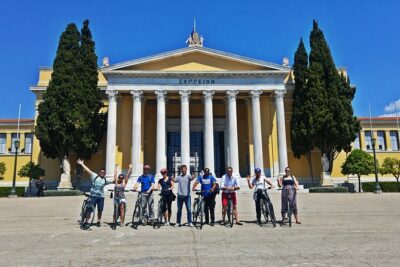
Athens Scenic Electric Bike Tour with optional Acropolis visit
Read our review →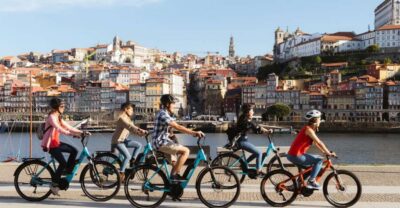
City Highlights 3-Hour Guided Electric Bike Tour
Read our review →
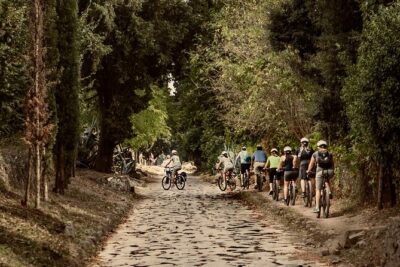
Rome EBike Tour: Appian Way, Catacombs & Roman Aqueducts
Read our review →
Top Highlights & Hidden Gems Tour by Cannondale E-Bike
Read our review →Browse the lists this tour appears in