
Review · JAPAN BIKE TOURS
Hiroshima: Best of Hiroshima Guided Bike Tour
Hiroshima’s best sights fit together neatly, and this flat 3.5-hour bike tour makes good use of that fact. You ride beside rivers, through Peace Memorial Park, past Hiroshima Castle, and finish at Shukkei-en Garden without spending the day waiting for buses or wearing out your feet.
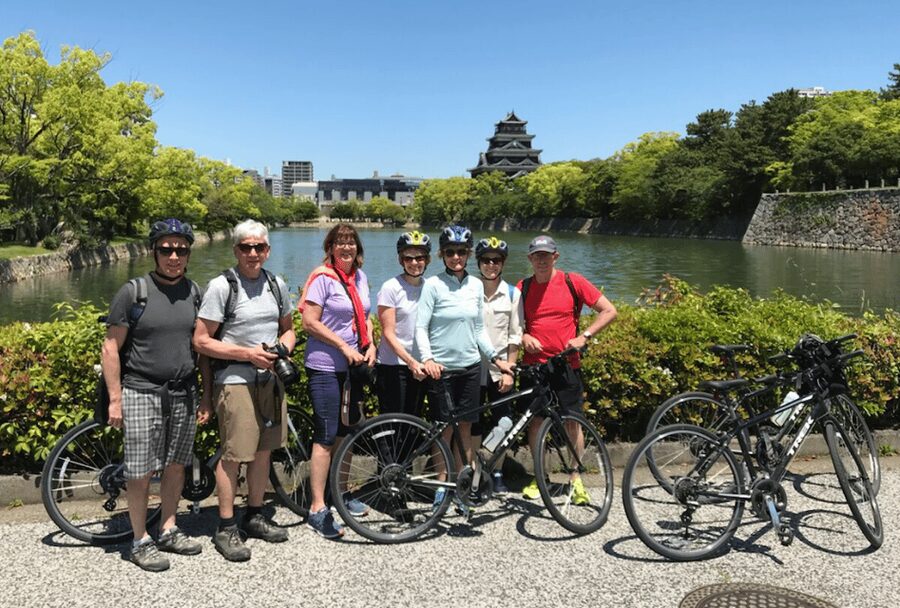
I like the small groups of no more than eight and the care taken with the bikes. I also like the human side of the guiding. Awais, Aimee, Miyu, James, and Ehsan have all been praised for clear storytelling, personal family connections, and thoughtful answers about 1945.
The main consideration is the weather. This is an outdoor ride, so rain or extreme heat can affect the experience. The route is easy, but you still need to be comfortable cycling for roughly 10 kilometers and meeting the tour’s health and height requirements.
Key points at a glance
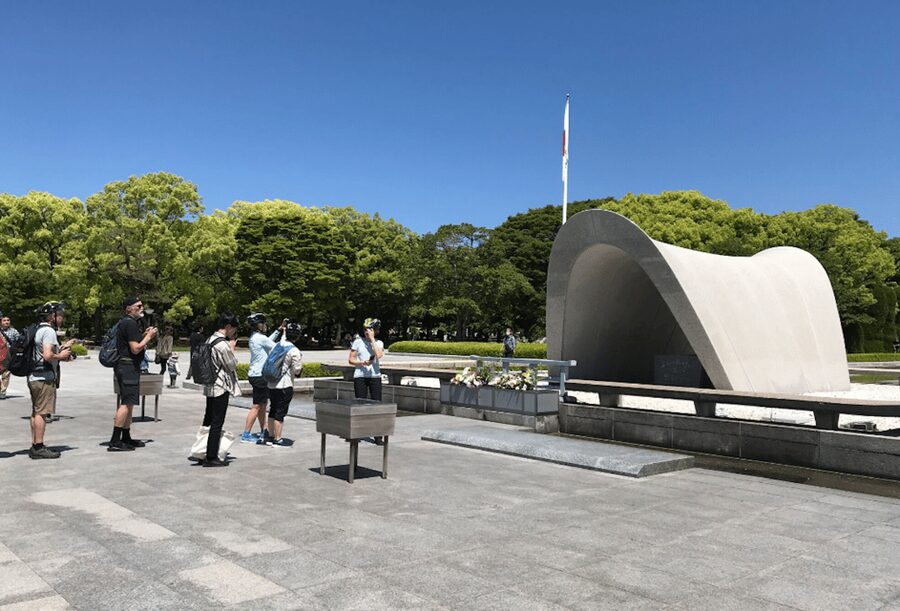
- Peace Memorial Park by bike: Reach the Atomic Bomb Dome and other key memorials without relying on a bus or a long walk.
- A gentle, mostly car-free route: The route is flat and includes quiet paths, making it suitable for people who ride at an easy pace.
- Strong English-language guiding: Guides including Awais, Aimee, Miyu, James, and Ehsan explain the bombing, recovery, and modern city with care.
- More than a Peace Park visit: Gokoku Jinja, Hiroshima Castle, and Shukkei-en Garden give you a wider view of the city.
- Good equipment for different riders: Trek bikes, step-through bikes, e-bikes, child-sized bikes, helmets, and water are included.
- Useful for a short Hiroshima stay: At $70 per person, it combines transport, guiding, bike hire, and garden admission in one half-day outing.
Why a bicycle works so well in Hiroshima
Hiroshima is a city where important places are spread across a manageable area. You can walk between many of them, but the distances add up, especially after spending time at the Peace Memorial Museum and park. A bicycle gives you a wider reach without turning the day into a transport exercise.
The route is described as completely flat, and the ride is leisurely rather than athletic. One outing covered about 10 kilometers, with regular stops. That is enough distance to make the bike useful, but not so much that the tour becomes a fitness test.
I especially like the way cycling changes the pace of the day. You move through ordinary streets and riverside paths between serious historical stops. That gives you a sense of Hiroshima as a living city, not only as the setting for one tragic event.
You do need to know how to ride a bicycle confidently enough to follow a guide. The route may be easy, but you are still cycling in a city environment. The operator does not recommend this experience for children under 12, people under 140 centimeters, pregnant women, or people with back, heart, or other pre-existing medical conditions.
More guided departures in Japan:
- Tokyo Guided Small-Group Biking Tour
★ 5.0 · 1,250 reviews - Tokyo Top Highlights 3h Guided E-bike Tour
★ 5.0 · 714 reviews - 3h Tokyo E-Bike Tour: Hidden Gems, and Local Life with guide
★ 5.0 · 670 reviews
Starting at Cycle Hiroshima HQ
The meeting point is the Cycle Hiroshima shop, marked by a large Cycle Hiroshima sign. Allow a little time at the start for orientation, bike fitting, and helmet adjustment. This is worth doing properly, especially if you are between bike sizes or have not cycled for a while.
The fleet includes Trek bikes in several sizes, plus step-through models, e-bikes, and child-sized bikes. The choice matters more than it might sound. A comfortable frame and properly adjusted saddle make a noticeable difference over several hours.
An e-bike is available if you prefer extra help. One rider found the standard route so flat that electric assistance was not needed, but an e-bike can still be useful in hot weather or for anyone who wants to keep effort to a minimum.
Bottled water is included. Wear comfortable clothes and shoes, and dress for the forecast. The ride has pauses, but you are outdoors for the full experience.
Following the rivers to Peace Memorial Park
The opening section is a relaxed riverside ride toward Peace Memorial Park. This is a pleasant way to begin because the city opens up gradually. You get moving, settle into the bicycle, and hear the first pieces of context before reaching the most emotionally heavy part of the tour.
Once inside the park, the ride becomes a series of carefully timed stops. Your guide explains what happened on August 6, 1945, then gives you room to look, ask questions, and take in the setting. That balance matters. Hiroshima is not a place that benefits from a rushed checklist of monuments.
The guides bring different strengths to the experience. Miyu has shared family stories connected to the period, while Aimee has been praised for respectful explanations and frequent pauses for photographs. Ehsan has been described as a strong storyteller who presents more than one perspective, and James is known for taking time with questions and adding extra context between the main stops.
That personal element can make the history easier to understand, but it also means the exact tone may vary with your guide. The subject is serious, and the best approach is calm, respectful, and open to difficult questions. The available feedback points strongly in that direction.
The Atomic Bomb Dome and the meaning of the park
The Atomic Bomb Dome is the best-known structure in Hiroshima and a UNESCO World Heritage Site. Seeing it from a bicycle is not about speed. You stop, listen, and take in the contrast between the surviving building and the modern city around it.
Your guide places the dome within the events of 1945 and the city’s later identity as a City of Peace. The explanation can include the bombing, the destruction, the people affected, and the long recovery. Several guides have also discussed Sadako and the paper cranes, a story that often gives younger visitors a personal way into the history.
This is one part of the tour where you should not expect constant movement. You will stop often, and you may want time for your own thoughts or photographs. The bicycle gets you from one point to another, but it does not turn the Peace Park into a quick sightseeing circuit.
If you plan to visit the Peace Memorial Museum separately, this bike tour can work well as an introduction. It gives you a framework for the park and its monuments, while the museum can provide a longer and more detailed visit. The tour itself is not a replacement for the museum if you want extensive exhibits and primary material.
More bike tours in Japan:
- Hidden Kyoto E-Biking tour
★ 5.0 · 1,843 reviews - Bike Tour Exploring North Kyoto plus Lunch
★ 5.0 · 1,087 reviews - Tokyo Great Cycling Tour
★ 5.0 · 811 reviews - Arashiyama Bamboo Forest & Hidden Gems Bike Tour (Early Bird)
★ 5.0 · 613 reviews
Gokoku Jinja and a different side of Hiroshima
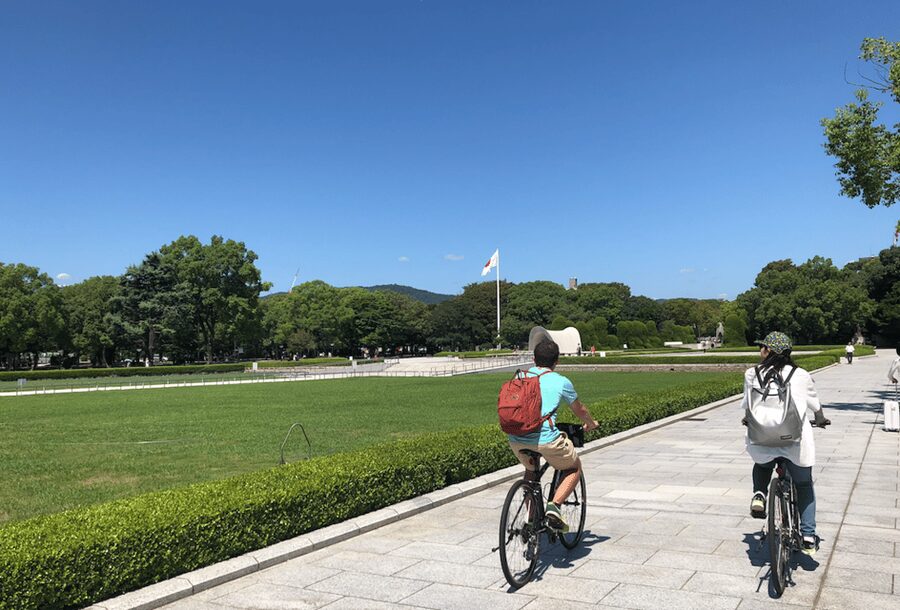
After the Peace Park, the route continues north to Gokoku Jinja. It is described as the city’s most popular Shinto shrine, and the change in mood is useful. You move from memorial spaces into a place connected with Japanese religious practice and daily city life.
The stop also helps prevent the tour from presenting Hiroshima only through the lens of 1945. You see a place where people come to pray and pass through the city as they do today. Your guide can add local background as you move between the park and the shrine.
Because this is a bike tour, you do not have to retrace the same route on foot. You can enjoy the transition rather than simply endure the distance. That is one of the quiet advantages of the format.
Hiroshima Castle and the samurai era
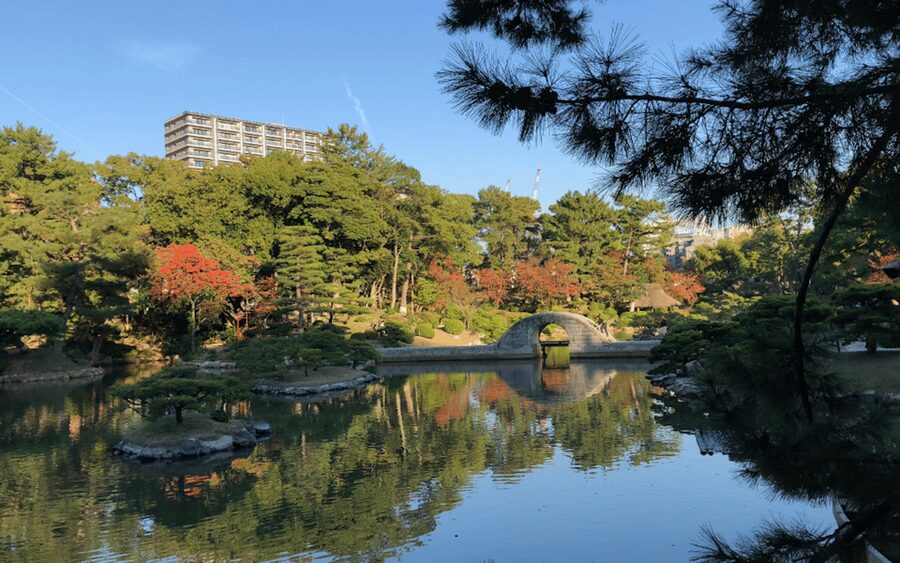
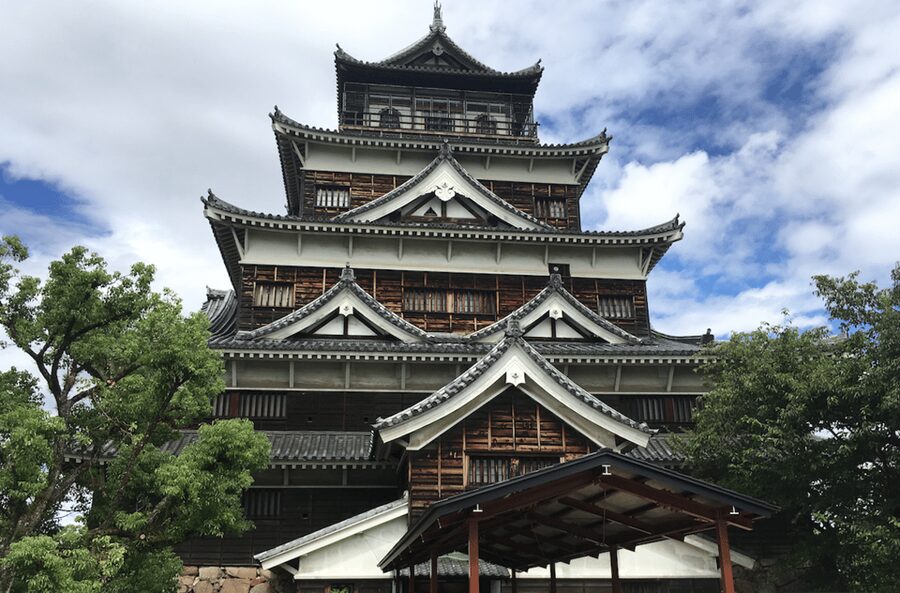
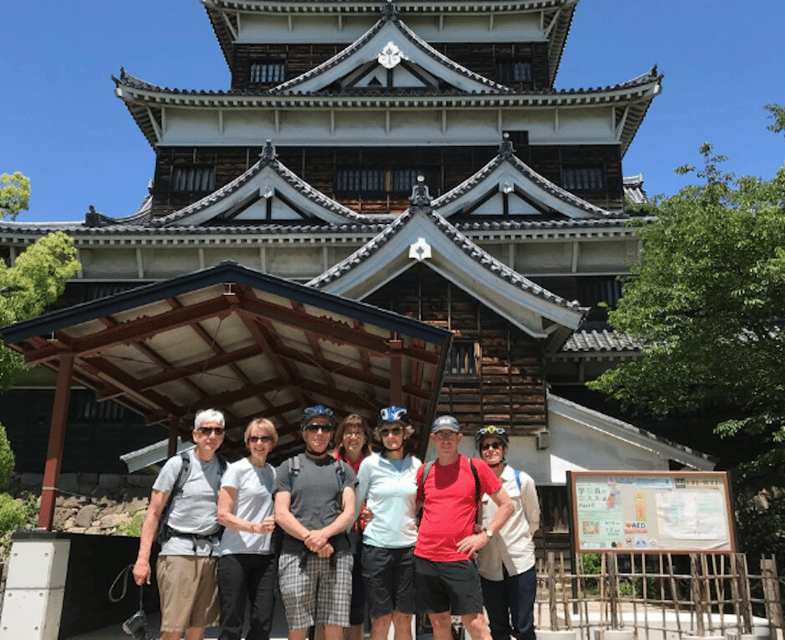
The next major stop is Hiroshima Castle. The grounds offer a look at the city before the atomic bombing and before modern Hiroshima took shape. The tour gives you a glimpse into the samurai period, adding an earlier chapter to the city’s story.
The castle stop is especially useful for visitors who want more than memorial history. Hiroshima did not begin in 1945, and its older political and cultural story helps put the modern city into perspective.
You should think of this as a guided visit to the grounds rather than a long castle museum session. The information provided focuses on the site and the samurai era within the limited time available. If you want an extended look inside the castle, check how much free time remains after the guided route.
The bicycle also helps here. You can reach the castle area without a separate bus ride, and the route lets you see how the castle grounds connect with central Hiroshima.
Shukkei-en Garden provides a quiet finish
Shukkei-en Garden is the final major stop, and it is a smart choice. Built during the Edo Period, it is regarded as one of the finest traditional gardens in western Japan. Its ponds, paths, and carefully arranged views offer a calm change after the emotional weight of the Peace Memorial Park.
Entry to the garden is included in the $70 price, so you do not need to budget separately for admission. The garden also gives the tour a proper ending rather than finishing abruptly at the last historical monument.
I would not rush this stop. Several people have particularly enjoyed ending at the garden, and I can see why. It lets you absorb the range of Hiroshima in one outing: remembrance, religion, older political history, and traditional Japanese design.
The exact amount of time at each stop depends on the group and guide. Some guides have extended the outing when the group had no need to leave quickly, but you should treat the advertised 210 minutes as the reliable schedule.
What the small group adds
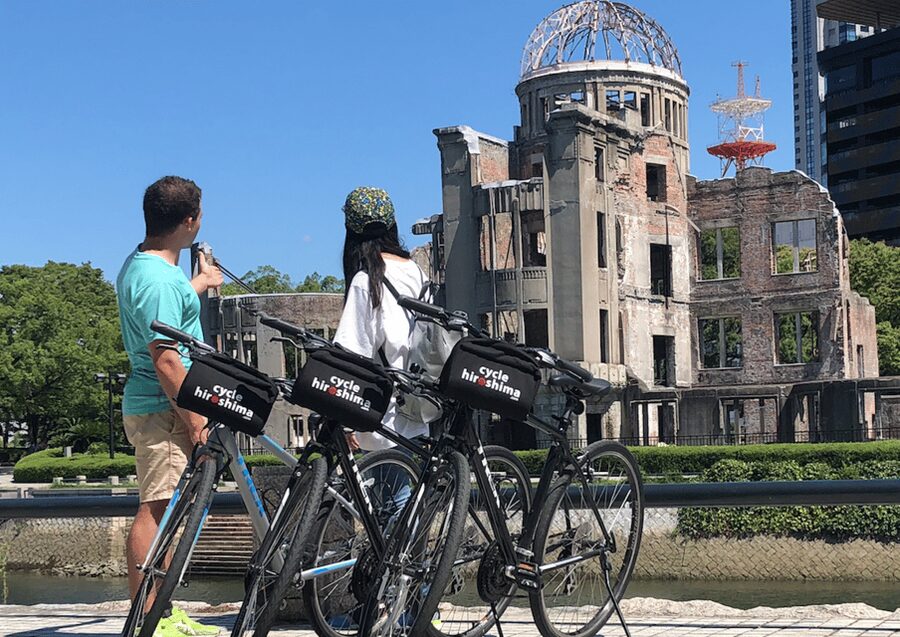
The maximum group size is eight people. That is large enough for a social ride but small enough for questions and personal attention. It also helps the group move together through the city without the stop-start feel of a large tour.
Small groups are useful in the Peace Park. You can hear the guide without standing in a tight crowd, and the guide can adjust the explanation to the group. Families, couples, and solo cyclists can all fit into the format.
The group size does not guarantee a private tour. You will still share the ride with other people, and cycling ability can vary. The guides appear to manage this by keeping the pace relaxed and stopping often.
A few groups have included children and adults, but the stated minimum age is 12. Do not assume younger children can join simply because child-sized bikes are available. The bike options accommodate size, while the age and safety rules still apply.
Heat, rain, and the practical side of the ride
Weather is the biggest variable. A hot day can make even a flat route tiring, so regular water and shade breaks matter. One group appreciated frequent pauses during a very hot outing, and another guide stopped to help the group keep a comfortable pace.
Rain does not necessarily make the tour impossible, but poor weather can lead to cancellation. If that happens, you are offered another date or a full refund. It is sensible to keep some flexibility in your Hiroshima schedule, especially during a rainy season.
Comfortable shoes are more important than sporty clothing. You are not racing, and the tour is designed for ordinary sightseeing. Still, avoid stiff shoes and clothing that restricts movement.
You can cancel up to 24 hours ahead for a full refund, and the reserve-now, pay-later option keeps your plans flexible. These terms are useful if your Japan itinerary is changing from city to city.
Is $70 a fair price?
At $70 per person, this is not the cheapest way to see Hiroshima. You could rent a bicycle independently or walk between several central sights. You would then need to provide your own route, historical background, equipment, and admission fee for Shukkei-en Garden.
The value here is the combination. You receive an English-speaking guide, a quality bike and helmet, bottled water, garden entry, and a route that connects several different parts of Hiroshima. You also save time by moving between sights under your own power.
I think the price is reasonable for a first visit, especially if you have only one day in the city. It is less compelling for someone who already knows Hiroshima well, has a bicycle, and prefers to explore alone.
The strongest part of the price is the guiding. The bikes get you around, but the explanations about 1945, the recovery, local customs, and the city’s older history are what turn the ride into a meaningful visit. Guides such as Awais, Aimee, Miyu, James, and Ehsan have been singled out for clear English, patience, humor, and care with sensitive material.
Who should book this tour
I would choose this for a first-time visitor who wants to cover the main sights in half a day. It suits couples, families with older children, solo visitors, and anyone who would rather cycle than spend hours walking or using public transport.
It is also a good fit if you want history explained in context. The route does not stop at the Atomic Bomb Dome. It connects the Peace Park with Gokoku Jinja, Hiroshima Castle, and Shukkei-en Garden, giving you a broader view of the city.
I would hesitate if you dislike cycling, need a fully indoor activity, or have a medical condition that makes riding unsuitable. The route is flat, but flat does not mean effortless. You need to ride for several hours, manage the weather, and stay with the group.
FAQ
How long is the Hiroshima bike tour?
The tour lasts 210 minutes, or about three and a half hours.
What places does the tour visit?
The route includes Peace Memorial Park, the Atomic Bomb Dome, Gokoku Jinja, Hiroshima Castle, and Shukkei-en Garden.
Is the cycling route difficult?
The route is described as completely flat and suitable for anyone who can ride a bicycle. The ride is relaxed, with regular stops.
What is included in the price?
The price includes an English-speaking guide, a high-quality bike, helmet rental, bottled water, and entry to Shukkei-en Garden.
Can I use an e-bike?
Yes. The available bike choices include Trek bikes in several sizes, step-through bikes, e-bikes, and child-sized bikes.
What happens if the weather is poor?
The experience requires good weather. If it is canceled because of poor weather, you can choose another date or receive a full refund.
Should you book it?
Book this tour if you want to understand Hiroshima while seeing a lot of the city in one manageable outing. The flat route, small group, solid bikes, and strong English guiding make it a practical choice for a first visit.
I would book it early in a short Hiroshima stay, then leave time for the Peace Memorial Museum and any sites you want to explore more slowly. For most visitors, the $70 cost is justified by the time saved and the care brought to the history. If the weather is good and you are comfortable on a bike, this is one of the most useful ways to connect Hiroshima’s past with its present.
Latest bike tours added in Japan
- Private E-MTB guided cycling around Mt. Aso volcano & grasslands★ 5.0 · 16 reviews
- Tokyo: West-Side Cycling and Food Tour with Guide★ 5.0 · 37 reviews
- Tokyo: Private Cycling Tour with cute E-bike★ 5.0 · 11 reviews
- Tokyo Bay Area: Sunset Night View 3h E-bike Guided Bike Tour★ 5.0 · 11 reviews
- Tokyo: Hidden Gems Guided Bike Tour with Lunch★ 4.5 · 30 reviews
- Tokyo Bike Tour: Shibuya, Harajuku & Hidden Gems★ 5.0 · 20 reviews
- Tokyo: 3h Private E-bike Tours, Starting at Your Hotel★ 5.0 · 36 reviews
- Tokyo: 3-hour Guided E-Bike Tour of the City’s Hidden Gems★ 4.8 · 251 reviews
Japan Bike Tours, compared.
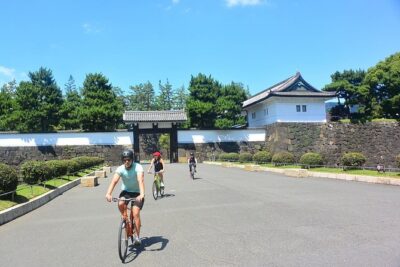
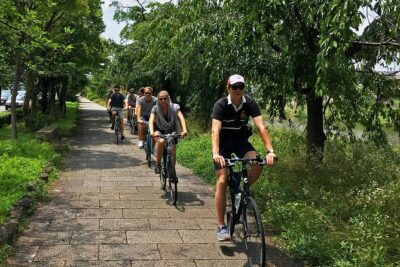
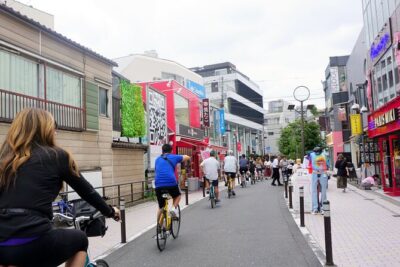
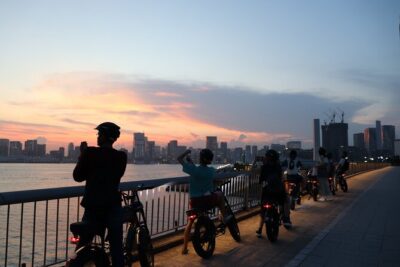

3h Tokyo E-Bike Tour: Hidden Gems, and Local Life with guide
Read our review →
Arashiyama Bamboo Forest & Hidden Gems Bike Tour (Early Bird)
Read our review →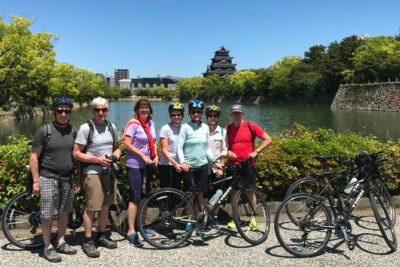
Hiroshima in a Nutshell: Morning Bike Adventure
Read our review →Browse the lists this tour appears in