
Review · JAPAN BIKE TOURS
Hiroshima 2hr Peace Cycling Tour with Local Guide
Hiroshima’s story becomes more understandable when you move beyond the main museum and see how the city fits together. This two-hour e-bike tour links the Peace Memorial Park with nearby streets, rebuilt neighborhoods, and viewpoints that are easy to miss on foot.
I especially like the mix of serious history and simple city riding. Guides such as Shin and Kana bring family stories and local memory to the monuments, while the electric bikes make the route manageable for almost anyone. The main drawback is time: two hours gives you a strong introduction, but not a slow, detailed visit to every site.
Key points to know before you book
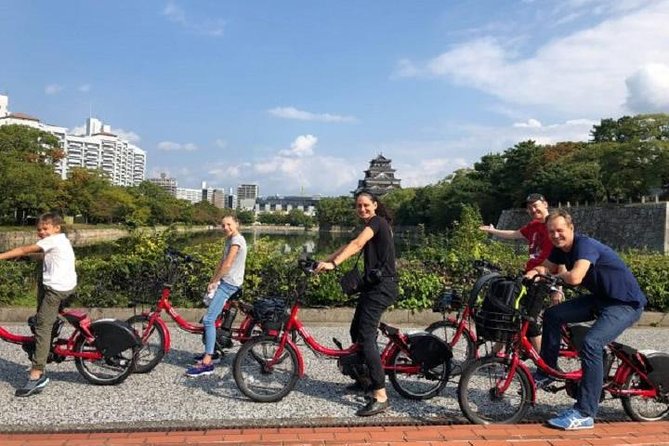
- Electric bikes make the route easy: Hiroshima is relatively flat, and the pedal-assist bicycles help you cover more ground without turning the tour into a workout.
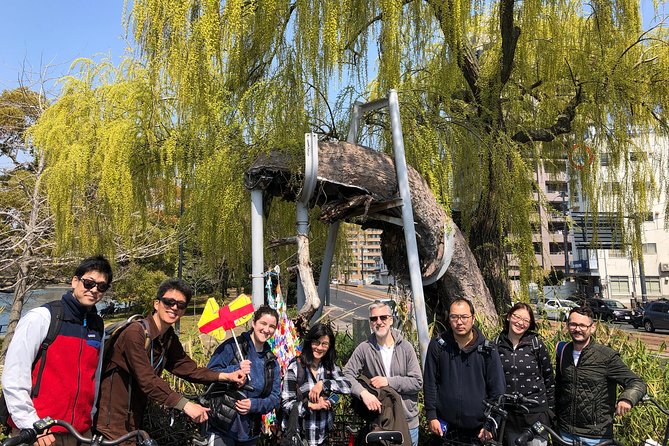
- The guide adds local memory: Shin has shared stories connected to his grandparents and mother, while Kana is praised for clear explanations and a warm manner.
- You see more than the famous dome: The route includes the Cenotaph, Children’s Peace Monument, Peace Bell, city streets, and A-bombed streetcars.
- The group is capped at 10 people: That is small enough for questions and easier cycling through town.
- Rain does not always cancel the experience: You may switch to a walking Peace Route, change dates, or receive a refund if cycling cannot go ahead.
- Two hours is an introduction, not a full Hiroshima history course: Choose the three-hour version if Hiroshima’s prewar past and postwar recovery are priorities.
Why a bicycle works so well in Hiroshima
Hiroshima is a good city for a gentle bicycle tour. The center is fairly flat, and an electric bicycle lets you move between monuments without spending much energy on hills or long walks. You still travel slowly enough to notice the streets, bridges, trams, and ordinary neighborhoods around the memorial area.
That matters in Hiroshima. The Peace Memorial Park is essential, but the city is not only a memorial site. It is also a living place that was rebuilt after destruction. Cycling from the park into the wider city helps you see that contrast directly.
You are not signing up for a race. The ride is described as leisurely, and the pace may be adjusted if someone in the group is new to cycling, particularly children. That is good for comfort, though strong cyclists may find the pace slow at times.
The e-bikes are one of the experience’s most praised features. They are easy to operate, and the city streets are manageable even for people who do not normally cycle. If you are 145 centimeters or taller, you can use an adult electric bicycle. Children between 110 and 145 centimeters may use one of the available children’s bicycles, and child seats are offered for children under 22 kilograms and 115 centimeters.
More guided departures in Japan:
- Tokyo Guided Small-Group Biking Tour
★ 5.0 · 1,250 reviews - Tokyo Top Highlights 3h Guided E-bike Tour
★ 5.0 · 714 reviews - 3h Tokyo E-Bike Tour: Hidden Gems, and Local Life with guide
★ 5.0 · 670 reviews
Meeting at the Peace Park Rest House
The tour begins at the Hiroshima Peace Memorial Park Rest House, at 11:00 or 15:00 depending on your booking. The meeting point is inside the park area, near public transportation, and the tour ends at the same place.
Arrive early. The operator is strict about late arrivals, and missing the start without notice can mean cancellation with no refund. Even advance contact may not guarantee that the group can wait, since this is a shared activity.
There is no luggage storage at the Rest House. If you have suitcases or large bags, use the coin lockers at the Hiroshima International Conference Center or Hiroshima Peace Memorial Museum, about a six-minute walk away. This is worth planning before you arrive, since carrying luggage on a bicycle would be awkward and unsafe.
The group can include up to 10 people. That size keeps the ride personal without making it a private tour. You should have a chance to ask questions, although the pace and attention will naturally depend on the mix of adults and children in your group.
The first 55 minutes in Peace Memorial Park
The main part of the tour begins in Peace Memorial Park, where the guide explains what happened on August 6, 1945, and how the park’s memorials preserve different parts of that story.
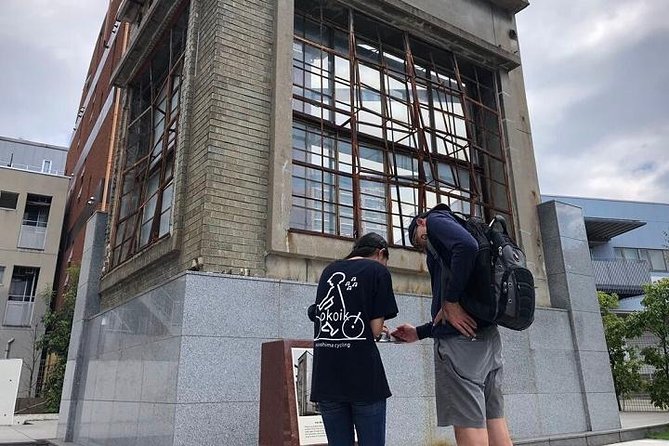
You will visit or discuss the Atomic Bomb Dome, the Cenotaph for the A-Bomb Victims, the Children’s Peace Monument, and the Peace Bell. Each site carries a different message. The dome is the most recognizable reminder of the blast, while the Cenotaph and Children’s Peace Monument focus more directly on the people who died and the children affected by the bombing.
This is where the guide matters most. A plaque can tell you a date and a name. A local guide can explain how those memorials are understood in Hiroshima today, and how the city connects remembrance with its call for peace and never again.
Several guides associated with this experience have personal family connections to the bombing. Shin has shared stories about grandparents who survived, and his mother was in the womb when the bomb fell. Those accounts do not replace historical sources, but they give the subject a human scale. You are not simply moving from monument to monument. You are hearing how memory can continue through generations.
Kana is another guide frequently associated with this tour. Her strength is careful explanation at each stop, with time for questions and practical knowledge of the city. Other guides, including Bella, Tomas, and Moet, have also led the route. The exact guide depends on the date, so you should not book on the assumption that one named person is guaranteed.
The Peace Park portion can feel emotionally heavy. That is appropriate, but it is useful to know before booking. This is not a light sightseeing ride with a few historical facts added. You will hear about civilian suffering, loss, survival, and the city’s recovery. The cycling afterward gives the experience some movement and air, but the subject remains serious.
A museum visit is not part of the two-hour route. If you want the detailed exhibits, photographs, and objects at the Hiroshima Peace Memorial Museum, plan separate time before or after the bike tour. The bicycle experience works best as a guided introduction and a way to place the museum’s material in the wider city.
From memorials to Hiroshima’s rebuilt streets
After about 55 minutes in the park, the tour moves beyond the central memorials. This is the part I find particularly useful, because it shows Hiroshima as a functioning modern city rather than only as a site of wartime memory.
The guide points out the rebuilt townscape and explains the city’s wartime and postwar changes. You may also see the A-bombed streetcars, trams that survived the atomic bombing and continue to operate today. That detail connects the historic event with ordinary daily life in a way that a single monument cannot.
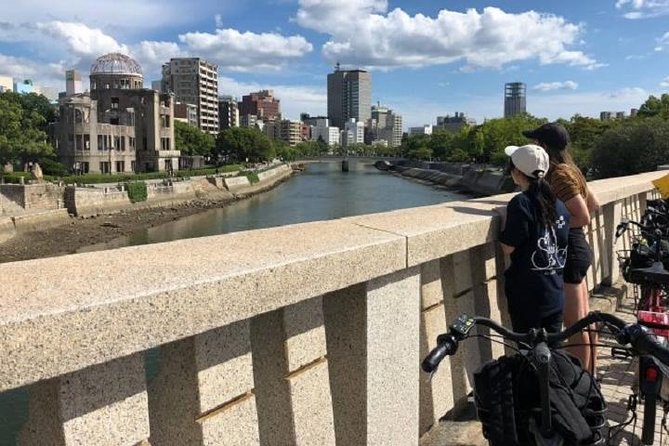
You also get views of the A-Bomb Dome from city viewpoints away from the most familiar approach. These angles help you understand where the dome sits in relation to the river, park, and surrounding streets. The point is not simply to collect another photograph. It is to see the dome as part of Hiroshima’s urban fabric.
The route beyond the park is also why the bicycle format earns its price. Walking between the park and farther city sites would take more time, and a bus would give you less connection with the streets around you. On an e-bike, you can cover more ground while still stopping often enough to listen.
The ride is not designed as a full architectural or food tour. Its focus remains wartime history, postwar recovery, and the present-day city. If your main goal is Hiroshima Castle, the prewar city, or a longer account of how Hiroshima developed, consider the three-hour version. That route adds Hiroshima Castle and gives more time for historical context.
More bike tours in Japan:
- Hidden Kyoto E-Biking tour
★ 5.0 · 1,843 reviews - Bike Tour Exploring North Kyoto plus Lunch
★ 5.0 · 1,087 reviews - Tokyo Great Cycling Tour
★ 5.0 · 811 reviews - Arashiyama Bamboo Forest & Hidden Gems Bike Tour (Early Bird)
★ 5.0 · 613 reviews
What the guides add to the experience
The strongest feature here is the human explanation. The monuments themselves are powerful, but the city’s history can feel scattered if you visit them without a guide. A good guide connects the sites and explains why they matter together.
Shin is especially suited to people who want family memory woven into the historical account. His stories about relatives affected by the bombing can make the subject feel close and personal. His energy also helps keep the ride from becoming solemn at every moment.
Kana has been praised for strong English, clear explanations, and a friendly approach. She is also known for practical recommendations around Hiroshima, including places to eat. Bella brings enthusiasm and points out locations beyond the usual park circuit. Tomas has combined historical storytelling with useful suggestions for later stops in Japan.
You may receive a different guide, so the experience will vary somewhat in tone. The important point is that the tour is built around local interpretation rather than a recorded script. Ask questions. This is where you get the most value.
The guide may also adjust the pace for the group. That is considerate for families and less confident cyclists, but it means the ride is not aimed at people seeking speed or exercise. The bicycle is a transport tool, not the main challenge.
Is $59.69 a fair price?
At $59.69 per person, this is not the cheapest way to see Peace Memorial Park. You can walk through much of the park on your own, and the museum requires separate planning. The price pays for the e-bike, guide, route planning, small group, and bicycle accident insurance.
I think the value is strongest if you have only one day in Hiroshima, dislike long walks, or want help making sense of the city beyond the A-Bomb Dome. The guide allows you to see the major memorials and then reach farther streets within two hours. That saves time and adds context.
The price is less compelling if you already know Hiroshima well, plan to spend several days exploring slowly, or mainly want independent time at the museum. You may prefer to walk the park at your own pace and devote the saved money to another activity.
The tour includes bicycle accident insurance, but you should still ride carefully and follow the guide’s instructions. There is no free Wi-Fi at the meeting point, although Hiroshima Free Wi-Fi is available throughout the city.
Weather, comfort, and the rainy-day option
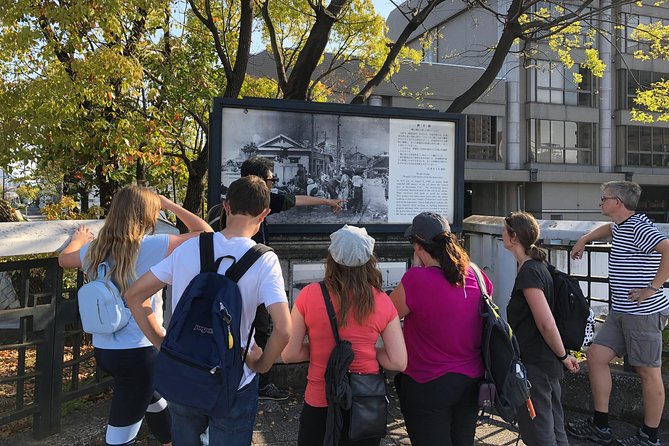
The cycling route depends on safe weather. Rain, strong conditions, or other safety concerns can lead to a change in plans. If cycling is canceled because of rain, you can choose another date, take a rainy-day walking route, or receive a refund.
The rainy route is still focused on Hiroshima’s wartime history. It can include the Peace Memorial Park, Atomic Bomb Dome, hypocenter, Former Bank of Japan, Fukuromachi Elementary School, and the main street. The walking version is scheduled to finish at 13:00 or 17:00, matching the normal start times.
The alternative route is not just a shortened bicycle tour. It puts more attention on the hypocenter, the place reduced to scorched earth in an instant, and sites within roughly half a mile to a little over half a mile of it. If you prefer not to walk in bad weather, a refund is available when the cycling plan cannot be held.
Dress for the season. The tour has operated in cold winds, snowfall, and heavy rain conditions, but those conditions can affect comfort. The electric bicycle reduces physical effort, not exposure to weather.
Who should book the two-hour route?
I would choose this tour for a first visit to Hiroshima, especially if you want a clear introduction before visiting the museum. It suits couples, families with older children, and adults who are comfortable on a bicycle but do not want a demanding ride.
It is also a good choice for people who want local stories rather than only official displays. The family connections shared by some guides give the tour a personal dimension, while the city ride shows the ongoing life of Hiroshima.
You may want to think twice if you are uneasy on bicycles, dislike group pacing, or need a private discussion of difficult history. Most people can participate, but it remains a shared tour with up to 10 people, and the guide may slow down for less experienced riders.
Children can join with the appropriate bicycle, but the exact equipment depends on height and weight. If you are booking for a family, check those limits carefully before paying.
Booking details that matter
The standard tour lasts about two hours, starting at 11:00 or 15:00 and returning to the Peace Park Rest House at 13:00 or 17:00. The schedule can change on the day, so leave some flexibility around trains, meals, and museum visits.
Free cancellation is available until 24 hours before the local start time. Cancellations or changes made inside that window are not refundable. Weather-related cancellation is treated differently, with a new date or full refund offered when the activity cannot safely proceed.
For a wider historical picture, choose the three-hour option. It includes the two-hour route and adds places such as Hiroshima Castle, with more attention to prewar Hiroshima and postwar recovery. The two-hour version is better for a focused introduction to the Peace Park and the city’s rebuilt present.
Should you book the Hiroshima Peace Cycling Tour?
Yes, if you want to combine Hiroshima’s major memorials with a look at the city beyond the park. The electric bikes make the route easy, the group limit keeps it manageable, and guides such as Shin and Kana can add personal meaning to places that are difficult to understand from signs alone.
Book it early in your Hiroshima schedule if possible. You can then visit the museum afterward while the places and stories are fresh in your mind. If you have only a short stay, this tour gives you more geographic range than a simple walk.
Skip it if you want a private, slow museum visit or prefer to explore without a fixed pace. For most first-time visitors, though, the two-hour ride offers a thoughtful balance: serious history, local perspective, and an easy way to see how Hiroshima lives today.
FAQ
Where does the Hiroshima cycling tour start?
It starts at the Hiroshima Peace Memorial Park Rest House in Nakajimacho, Naka Ward, Hiroshima.
Where does the tour finish?
The activity finishes back at the Peace Memorial Park Rest House, the same place where it begins.
How long does the tour last?
The cycling tour lasts about two hours. The usual start times are 11:00 and 15:00, with scheduled finishes at 13:00 and 17:00.
What sites are included?
The route includes Peace Memorial Park, the Atomic Bomb Dome, the Cenotaph, the Children’s Peace Monument, and the Peace Bell. It also continues into Hiroshima’s surrounding streets and may include views of A-bombed streetcars and the rebuilt city.
Are the bicycles electric?
Yes. Adult participants use electric bicycles, and children may use children’s bicycles based on height. Electric bicycles with child seats are available for children under 22 kilograms and under 115 centimeters.
What height is required for an adult bicycle?
The adult bicycle requirement is a height of at least 145 centimeters.
What happens if it rains?
The cycling tour may change to a rainy-day walking route, be moved to another date, or be refunded. The walking route can include the Peace Memorial Park, Atomic Bomb Dome, hypocenter, Former Bank of Japan, and Fukuromachi Elementary School.
Is luggage storage available at the meeting point?
There is no luggage storage at the Rest House. Coin lockers are available at the International Conference Center Hiroshima and Hiroshima Peace Memorial Museum, about a six-minute walk away.
Can I cancel for a refund?
You can cancel for a full refund up to 24 hours before the experience begins. Cancellations and changes made less than 24 hours before the start time are not refundable.
Latest bike tours added in Japan
- Private E-MTB guided cycling around Mt. Aso volcano & grasslands★ 5.0 · 16 reviews
- Tokyo: West-Side Cycling and Food Tour with Guide★ 5.0 · 37 reviews
- Tokyo: Private Cycling Tour with cute E-bike★ 5.0 · 11 reviews
- Tokyo Bay Area: Sunset Night View 3h E-bike Guided Bike Tour★ 5.0 · 11 reviews
- Tokyo: Hidden Gems Guided Bike Tour with Lunch★ 4.5 · 30 reviews
- Tokyo Bike Tour: Shibuya, Harajuku & Hidden Gems★ 5.0 · 20 reviews
- Tokyo: 3h Private E-bike Tours, Starting at Your Hotel★ 5.0 · 36 reviews
- Tokyo: 3-hour Guided E-Bike Tour of the City’s Hidden Gems★ 4.8 · 251 reviews
Japan Bike Tours, compared.
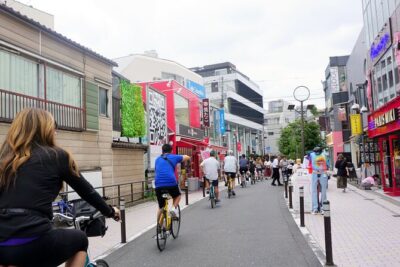
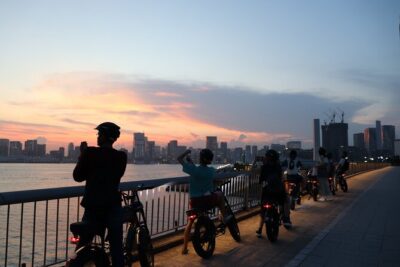

3h Tokyo E-Bike Tour: Hidden Gems, and Local Life with guide
Read our review →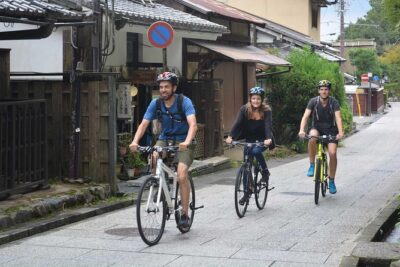
Arashiyama Bamboo Forest & Hidden Gems Bike Tour (Early Bird)
Read our review →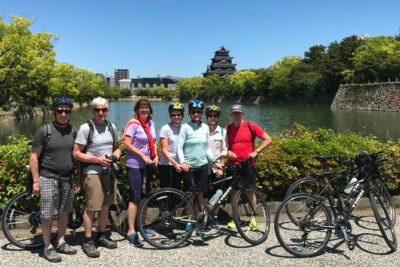
Hiroshima in a Nutshell: Morning Bike Adventure
Read our review →Browse the lists this tour appears in