
Review · E-BIKE TOURS
Sakurajima Century Lava Climb Journey with E-bike
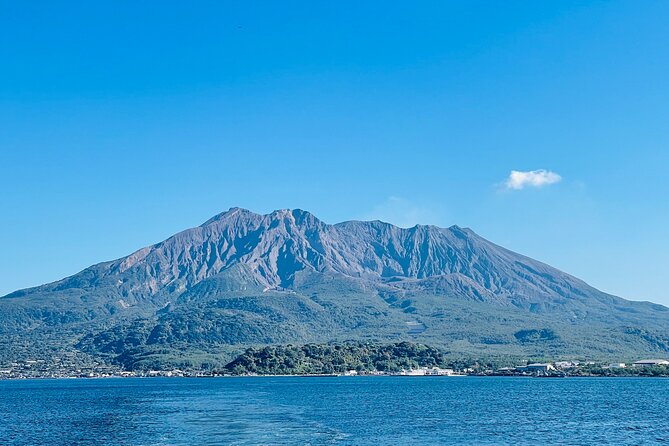
Sakurajima is not a volcano you simply look at from Kagoshima. On this three-hour e-bike ride, you follow its roads, lava traces, orchards, and viewpoints before reaching Yunohira Observatory, the island’s highest accessible point. Guide Rento brings the volcano’s story to life with clear explanations and well-timed stops.
I like the small groups of up to six and the way the ride mixes geology with ordinary island life. I also like the electric assist, which makes the climb possible for many casual cyclists. The catch is that this is still a workout, and wet black sand can make parts of the route slippery.
Key points at a glance
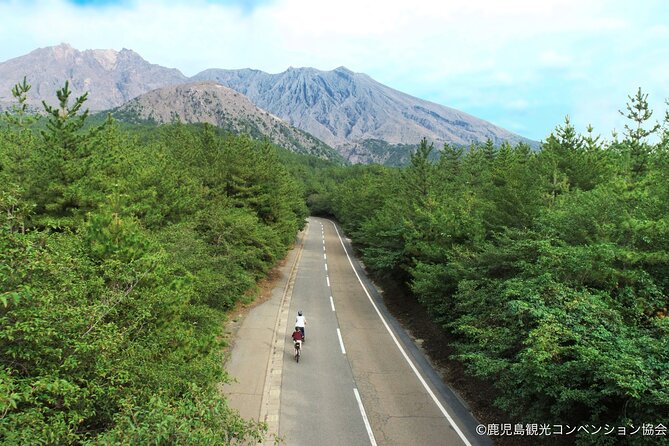
- Ride through Taisho lava country: See physical traces of the major twentieth-century eruption instead of only hearing about it.
- Reach Yunohira Observatory by e-bike: The electric motor helps uphill, but you still pedal and should be comfortable on a bicycle.
- Learn from guide Rento: He is noted for patient instruction, safety checks, volcano explanations, and thoughtful rest stops.
- Enjoy a personal-size group: With no more than six participants, the pace can be adjusted more easily than on a large bus tour.
- Stop for Kagoshima treats: A local snack and drink are provided during the outing, adding a pleasant regional touch.
- Prepare for changing conditions: Bring water, suitable clothing, sunglasses, and a light rain or wind layer because weather and ash can affect the ride.
Why an e-bike is a smart way to see Sakurajima
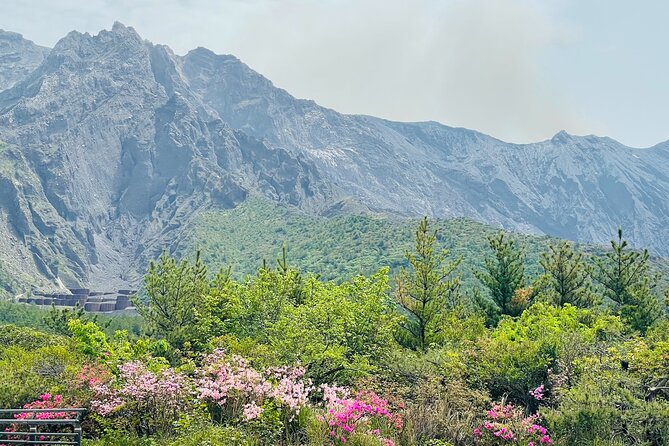
Sakurajima rewards a closer look. From a bus window, you can see the volcano and perhaps a few broad views, but an e-bike lets you stop beside lava traces, quiet roads, agricultural areas, and small viewpoints. You get a better feel for how the island is shaped by eruptions and how people continue to live and farm here.
The electric assist matters most on the climb toward Yunohira Observatory. Several people found the uphill section challenging even with motor support, so do not mistake the bike for a powered sightseeing cart. You will still pedal, steer, and manage the road. The motor simply takes much of the sting out of the ascent.
If you have never used an e-bike, that need not rule you out. Rento has patiently helped first-time riders get used to the controls, and the tour begins with a 20-minute safety briefing at Sakurajima Visitor Center. That gives you time to understand the bike before the ride gathers pace.
You should be able to ride an ordinary bicycle with confidence. The experience is not suitable for people who cannot ride, and the minimum height is 145 centimeters, or about 4 feet 8 inches.
More E-Bike Tours in Japan
- Hidden Kyoto E-Biking tour
★ 5.0 · 1,843 reviews - Tokyo Top Highlights 3h Guided E-bike Tour
★ 5.0 · 714 reviews - 3h Tokyo E-Bike Tour: Hidden Gems, and Local Life with guide
★ 5.0 · 670 reviews
Starting at Sakurajima Visitor Center
The meeting point is about an eight-minute walk from Sakurajima Ferry Terminal. That makes the tour fairly easy to add to a day in Kagoshima, though you should allow time to get off the ferry, walk to the center, and arrive ready for the briefing.
The opening safety session takes around 20 minutes. This is useful rather than wasted time. You can get familiar with the e-bike, helmet, controls, and riding expectations before heading out. If you are new to electric bicycles, pay close attention here and ask questions early.
The group size is capped at six. That is a real advantage on a route with several pauses, since the guide can watch the group more closely and adjust the pace. Solo participants may receive an especially personal experience, while a small family or group of friends can usually stay together without the long waits associated with a large tour.
The first ride and the volcano story
The first guided riding section is short, about 10 minutes, but it eases you into the route. From there, the tour begins to connect what you see around you with Sakurajima’s volcanic past.
The major subject is the twentieth-century eruption and the Taisho lava it produced. The value here is not just learning dates or eruption facts. You see the marks left on the ground and understand how a volcanic event changed roads, settlements, farming areas, and the shape of the island.
Rento has been especially good at stopping to explain the geology rather than rushing from one landmark to the next. He also brings in stories about Sakurajima itself, so the outing feels like a guided look at a living island, not a quick ride to a photo stop.
The route includes brief visits and pauses of about 10 minutes at several points. These stops give you time to ask questions, catch your breath, and take photographs. On a warm day, those breaks are important. They also make the ride more approachable if your cycling fitness is average rather than strong.
Taisho lava and the traces left behind
The Taisho eruption is central to the experience. Sakurajima’s volcanic story is easier to grasp when you can see the evidence in front of you. Lava is not treated as a distant geological idea here. It becomes part of the road, the ground, the vegetation, and the island’s daily life.
You will ride through areas where the eruption’s effects remain part of the setting. The guide explains what you are seeing and how volcanic activity has influenced the island. At times, you might also learn about agriculture, including local orchards, on the return ride.
I like this mix of subjects. A tour focused only on the crater or the big view can leave you with a postcard but little understanding. This ride gives you volcano science, local history, farming, and scenery in one compact outing.
The ride is not a full expedition around every corner of Sakurajima. Three hours passes quickly, and much of the time is shared between cycling, stops, explanations, and photographs. If you want an exhaustive tour of the whole island, you will need more time. If you want a focused introduction with a physical element, the route is well judged.
Another way to spend a morning on two wheels:
- Tokyo Guided Small-Group Biking Tour
★ 5.0 · 1,250 reviews - Bike Tour Exploring North Kyoto plus Lunch
★ 5.0 · 1,087 reviews - Tokyo Great Cycling Tour
★ 5.0 · 811 reviews - Arashiyama Bamboo Forest & Hidden Gems Bike Tour (Early Bird)
★ 5.0 · 613 reviews
Reaching Yunohira Observatory
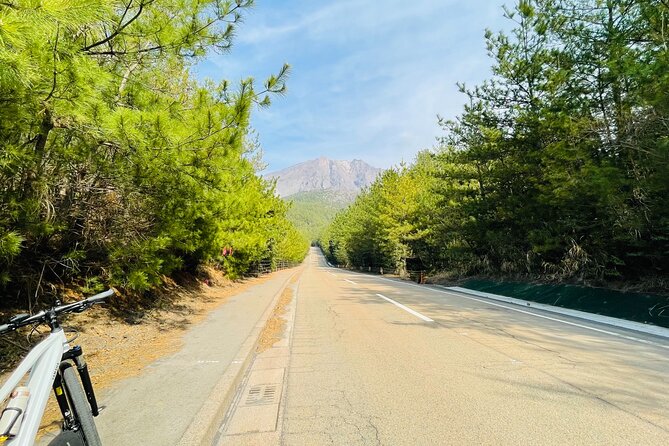
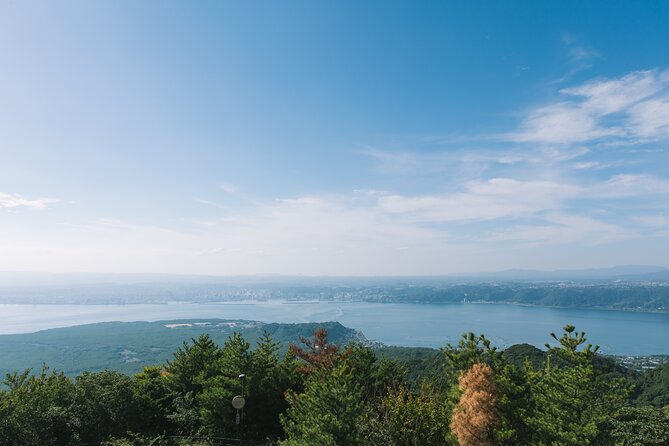
Yunohira Observatory is the high point of the ride and the main scenic reward. From here, you can take in broad views of Kagoshima and the surrounding area. The stop lasts about 30 minutes, giving you time for photographs, a guided explanation, free time, and a little shopping.
This is where the electric assist earns its keep. The uphill approach can be tough, especially in warm weather, but the motor reduces the effort enough for many casual riders to manage it. You should still expect to sweat a little. One participant described the ride as a good workout even with the e-bike, which is a fair warning.
At the observatory, Rento explains the view and the history of eruptions. A Kagoshima snack and drink are provided, which is a welcome break after the climb. You might want to use this pause to ask about the volcano, the surrounding area, or the local food, since the group size allows for a more natural conversation.
Clear weather will make the view more rewarding, but visibility can change. Sakurajima is an active volcano, and ash or weather may affect what you see. One particularly fortunate outing included two eruptions visible during the ride, but that is a bonus, not something you should expect on every departure.
The quieter return route
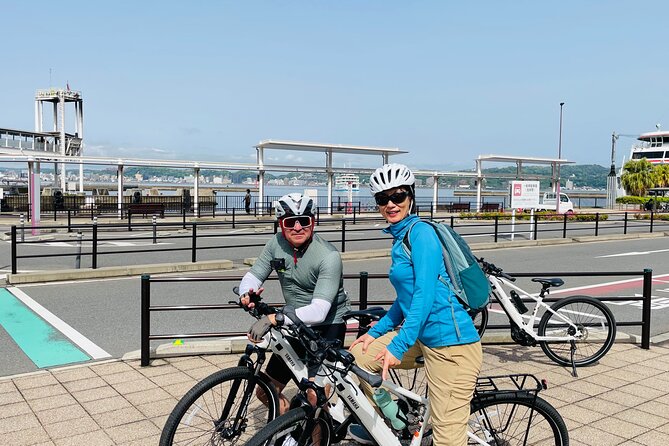
The return is easier on the legs because much of it is downhill. That does not mean you can switch off. Keep control of your speed, watch the road, and follow the guide’s instructions, especially on surfaces affected by loose material.
The later stops include two shorter secret stops, each around 10 minutes. Their exact details are not specified in advance, which is part of the appeal. They provide room for additional sightseeing, rest, and views away from the most obvious stop at the observatory.
The ride may also pass local agricultural sites and orchards. This is a useful reminder that Sakurajima is not only a dramatic volcano. People work the land here, and the island’s produce and farming traditions are tied to its volcanic setting.
You return to Sakurajima Visitor Center after the final stops. The route is therefore simple to manage, with no complicated transport arrangement at the end. You can walk back toward the ferry terminal after saying goodbye.
What the guide adds
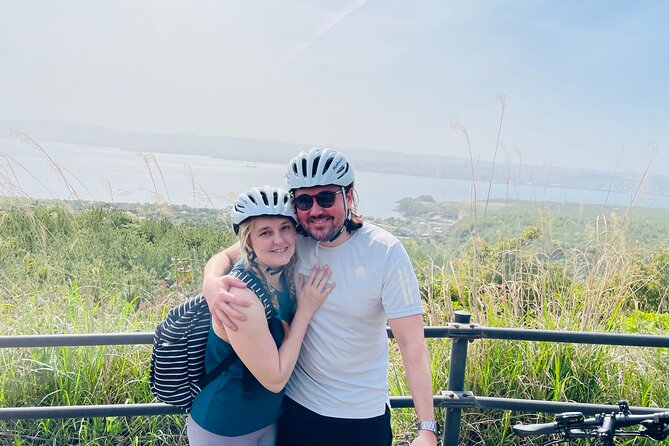
A good guide matters on a volcano tour, and Rento is a strong part of this experience. He has been praised for being friendly, patient, safety-conscious, and attentive to different cycling abilities. That combination is more important than flashy commentary when you are dealing with a climb, heat, changing surfaces, and first-time e-bike riders.
He has adjusted the pace for solo riders and built in extra breaks on hot days. He has also waited at the top for someone arriving separately by island bus, then explained the sights once she reached the observatory. That shows a useful degree of flexibility, though you should not assume the tour is designed for people to split from the cycling group.
The explanations cover volcanoes, Sakurajima’s eruptions, island history, nature, agriculture, and the view from above. I prefer this range to a tour that piles on technical facts without showing how they connect to the place around you.
The information provided names Rento most often, while one account spells the name differently. The tour is offered in English and Japanese, so check the language you need when booking.
The main safety concern: loose black sand
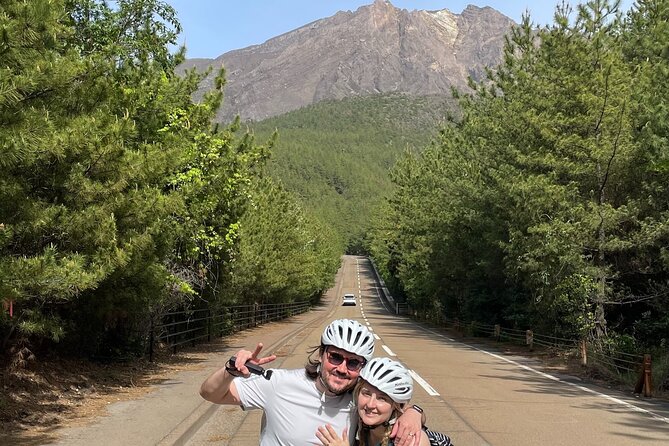
The one serious caution is the possibility of wet black sand on the path. A cyclist encountered sand that had spread onto the route, causing a skid and a fall with bruising and swelling. No broken bones were reported, but this is a useful warning even for experienced cyclists.
Ask the guide about surface conditions before setting off and slow down around loose or wet material. Do not assume an e-bike handles exactly like your usual bicycle. Keep both hands ready, avoid sharp turns over sand, and give yourself extra braking distance.
The recommended kit is sensible:
- Comfortable, closed shoes with good grip
- Water
- Weather-appropriate clothing
- Sunglasses for glare and possible ash
- Slip-resistant gloves, useful for cold and grip
- A light rain and wind layer for sudden weather
- A small backpack for valuables
A bag can be attached to the bicycle for carrying essentials, but keep your load small. Alcohol and drugs are not allowed.
Bad weather can cancel the experience. The decision is made by the day before, and a refund is provided if weather forces cancellation. That policy is reassuring, but you should still avoid placing the tour on the only possible day of a tightly packed Kyushu schedule.
Is the $102 price fair?
At $102 per person, this is not the cheapest way to see Sakurajima. You are paying for a three-hour guided experience, an e-bike and helmet, a small group, local interpretation, several stops, and a snack and drink.
The value is strongest if you want more than transportation to a viewpoint. A bus can get you around with less physical effort, but it will not give you the same freedom to stop along the road or the same direct contact with the volcanic traces and agricultural areas.
The price also makes more sense for people who value personal attention. With only six places, the guide can respond to questions and adjust rest stops more easily. Several outings had just one participant, creating a very flexible experience, though group size will vary by date.
I would consider the tour good value for an active half-day in Kagoshima, especially if you are curious about geology and want a guide who explains what you are seeing. I would look elsewhere if your main goal is a cheap panoramic ride or if you prefer not to cycle uphill.
Free cancellation up to 24 hours before departure and reserve-now, pay-later booking make it easier to fit into a changing Kyushu plan. Still, the weather risk and cycling requirement should guide your decision more than the payment flexibility.
Who should book this ride?
I would recommend it to you if you:
- Can ride a bicycle and are comfortable with a moderate uphill effort
- Want to understand Sakurajima through its lava, eruptions, farms, and roads
- Prefer a small group to a large sightseeing coach
- Are willing to ride in changing weather
- Like stopping often for photographs and conversation
- Have three hours available near the Sakurajima ferry area
You may want a different option if you cannot ride, are below 145 centimeters, or want a fully passive sightseeing experience. People with limited confidence on loose surfaces should also think carefully and discuss conditions with the guide before starting.
Should you book the Sakurajima e-bike tour?
Book it if you want to feel the shape of Sakurajima rather than simply photograph it. The volcano explanations, Taisho lava, quiet roads, orchard stops, and Yunohira views create a fuller picture of the island than a short bus stop can provide.
The best reason to go is the combination of Rento’s personal guidance and the e-bike’s ability to carry you uphill without removing the sense of effort. Just bring water, wear shoes with grip, and treat black sand as a real road hazard. If that sounds like your kind of active sightseeing, $102 buys a memorable and well-focused morning or afternoon.
FAQ
Where does the Sakurajima e-bike tour start?
The tour starts at Sakurajima Visitor Center, about an eight-minute walk from Sakurajima Ferry Terminal.
How long does the experience last?
The guided e-bike experience lasts three hours.
What languages are available?
The tour is available in English and Japanese.
How many people can join the group?
The group is limited to six participants.
Do I need to know how to ride a bicycle?
Yes. The activity is not suitable for people who cannot ride a bike. You must also be at least 145 centimeters tall.
Is the e-bike rental included?
Yes. The e-bike and helmet are included, along with the guided tour.
What happens if the weather is bad?
The weather decision is made by the day before the experience. If bad weather causes cancellation, you will receive a refund.
Latest bike tours added in Japan
- Private E-MTB guided cycling around Mt. Aso volcano & grasslands★ 5.0 · 16 reviews
- Tokyo: West-Side Cycling and Food Tour with Guide★ 5.0 · 37 reviews
- Tokyo: Private Cycling Tour with cute E-bike★ 5.0 · 11 reviews
- Tokyo Bay Area: Sunset Night View 3h E-bike Guided Bike Tour★ 5.0 · 11 reviews
- Tokyo: Hidden Gems Guided Bike Tour with Lunch★ 4.5 · 30 reviews
- Tokyo Bike Tour: Shibuya, Harajuku & Hidden Gems★ 5.0 · 20 reviews
- Tokyo: 3h Private E-bike Tours, Starting at Your Hotel★ 5.0 · 36 reviews
- Tokyo: 3-hour Guided E-Bike Tour of the City’s Hidden Gems★ 4.8 · 251 reviews
E-Bike Tours, compared.
3-Hour Porto Highlights on a Electric Bike Guided Tour
Read our review →
Hills, Alfama, and Mouraria Tour by Electric Bike
Read our review →
Athens Scenic Electric Bike Tour with optional Acropolis visit
Read our review →
City Highlights 3-Hour Guided Electric Bike Tour
Read our review →
Rome EBike Tour: Appian Way, Catacombs & Roman Aqueducts
Read our review →
Top Highlights & Hidden Gems Tour by Cannondale E-Bike
Read our review →Browse the lists this tour appears in