
Review · E-BIKE TOURS
Naha: Guided E-Bike Tour of the 12 Zodiac Temples
Shuri’s best sights are not all grand monuments. Some are tucked beside old houses, behind trees, or up a quiet side street. This three-hour e-bike tour links those small temples and shrines with the famous red gates of the former Ryukyu capital. I like the access to places you could easily miss on foot, and I like the helmet intercom, which lets you hear the guide while riding.
The tour also gives you a useful view of Okinawa beyond the usual castle visit. Shuri Kannon Temple, a miracle spring, gajumaru trees, and prayer sites for health and pregnancy give the route a local, spiritual feel. The main consideration is simple: you need to ride a bicycle confidently, and Okinawa’s sun and hills still require effort even with electric assistance.
Key points to know before you ride
- The route reaches quiet Shuri temples that are difficult to locate on your own.
- Electric bikes make the hills manageable, but this remains an active tour in traffic.
- Helmet intercoms keep you connected to the guide during the riding sections.
- The small group is limited to five people, allowing room for questions and personal help.
- Shureimon Gate supplies the classic photo, while the smaller temples provide the substance.
- Guides including Maki, Maria, Hiro, and Reiji have been praised for clear explanations and thoughtful support.
Why an e-bike is a smart way to see Shuri
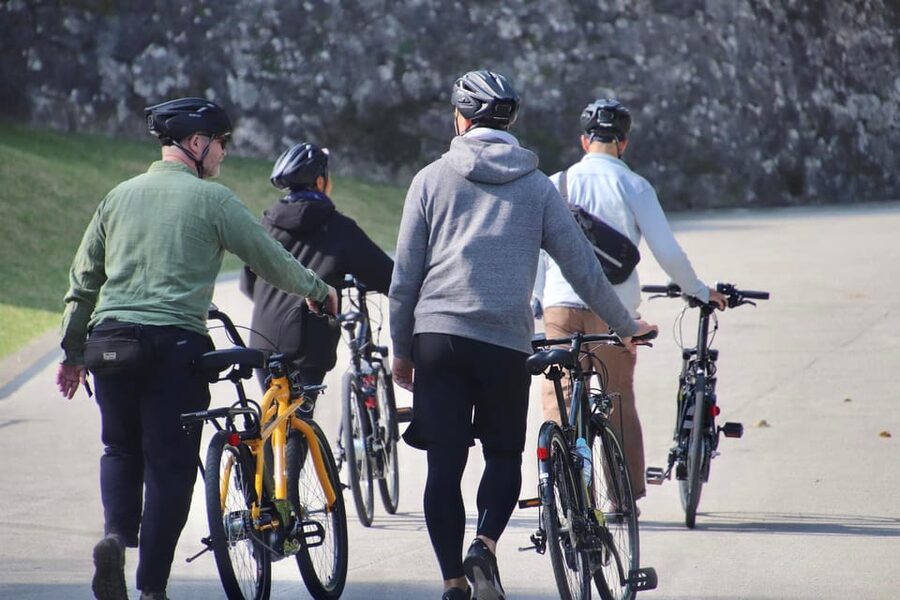
The experience begins at the bike shop, a five-minute walk from Monorail Makishi Station, next to the post office. You receive an electric bicycle and helmet, get fitted, and learn how the equipment works before setting off.
The e-bike matters here. Shuri is not flat, and several parts of the ride pass through hilly streets. The electric motor reduces the strain, but it does not turn the tour into a sightseeing bus. You still pedal, steer, watch the road, and manage your balance.
That makes this a good choice if you want more range than walking provides. You can cover backstreets and scattered religious sites in one morning or afternoon, then return to the same shop after about three hours.
The helmet includes an intercom system. That is more useful than it may sound. Instead of stopping every few minutes to hear an explanation, you can listen while moving between stops. Guides have also used the system to give directions and help the group stay together.
The group size is capped at five people. That is a real advantage on narrow streets and at small temples, where a large crowd would feel awkward. It also gives you a better chance to ask about Okinawan customs, temple decorations, or the meaning of a particular statue.
More E-Bike Tours in Japan
- Hidden Kyoto E-Biking tour
★ 5.0 · 1,843 reviews - Tokyo Top Highlights 3h Guided E-bike Tour
★ 5.0 · 714 reviews - 3h Tokyo E-Bike Tour: Hidden Gems, and Local Life with guide
★ 5.0 · 670 reviews
Shuri Kannon Temple and views over the old royal district
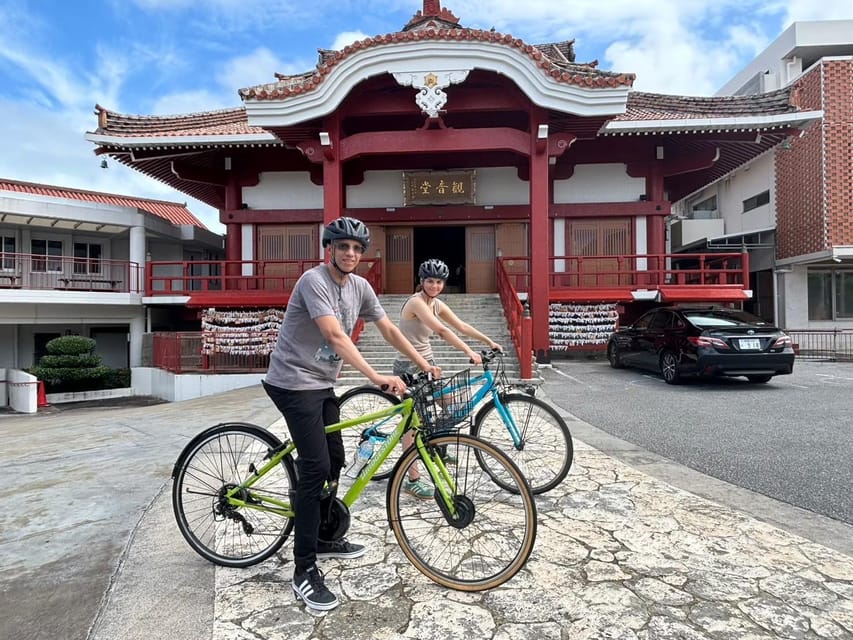
The first major stop is Shuri Kannon Temple, also called Shuri Kannondo. It served as a guardian temple during the Ryukyu Kingdom period, and its bright red building gives the visit an immediate sense of place.
Look closely at the carvings and decorative details rather than treating it as a quick photo stop. The guide explains the temple’s role and the traditions connected with the site. From the temple, you can also look across Shuri, linking the religious stop with the wider setting of the former royal capital.
This is where a guide adds real value. The small temples on this route do not always announce themselves with large signs or broad plazas. Without local direction, you could pass the entrance or misunderstand what you are seeing.
The first riding section is listed as about 20 minutes. That gives you time to settle into the bike and get a feel for the streets. Follow the guide’s traffic instructions closely, even if you are used to cycling at home. The tour operator specifically asks participants to be comfortable riding a bicycle.
Ankokuji Temple and an old tree beside traditional houses
Ankokuji Temple is a shorter stop, listed at about five minutes, but it adds a different mood. Here you see an ancient gate, traditional houses, and a large gajumaru tree.
The tree is one of the visual markers of Okinawa. Its twisting shape and broad roots make it feel very different from a formal temple garden. The combination of gate, homes, and tree also helps you picture Shuri as a lived-in district rather than a collection of isolated sights.
Do not expect a long indoor visit at every stop. Some places are brief outdoor pauses, designed to show you a feature and explain its meaning before you continue. That rhythm keeps the three-hour tour moving, though anyone hoping to spend a long time meditating or taking detailed photographs may find the visits quick.
Shureimon Gate gives you the postcard moment
Shureimon Gate is the route’s most recognizable landmark. Its red-and-gold design has become one of Okinawa’s best-known symbols, and the tour gives you time to stop and take a photograph with your bicycle.
This is a fun contrast with the quieter temples. The gate is the obvious picture, while the bike makes the image specific to this experience. Your guide can also help with photographs, something that several participants appreciated during their rides.
The gate is not the entire point of the tour. You could visit it without booking a bike ride. Its value here is that it appears alongside smaller religious sites and side streets, giving you a fuller sense of Shuri in one outing.
If you are taking photographs, bring a phone or camera that you can handle quickly. You will be moving through a planned route, so the best approach is to take a few good pictures and stay with the group rather than turning every stop into a long photo session.
Another way to spend a morning on two wheels:
- Tokyo Guided Small-Group Biking Tour
★ 5.0 · 1,250 reviews - Bike Tour Exploring North Kyoto plus Lunch
★ 5.0 · 1,087 reviews - Tokyo Great Cycling Tour
★ 5.0 · 811 reviews - Arashiyama Bamboo Forest & Hidden Gems Bike Tour (Early Bird)
★ 5.0 · 613 reviews
Daruma Temple and the meaning of prayer
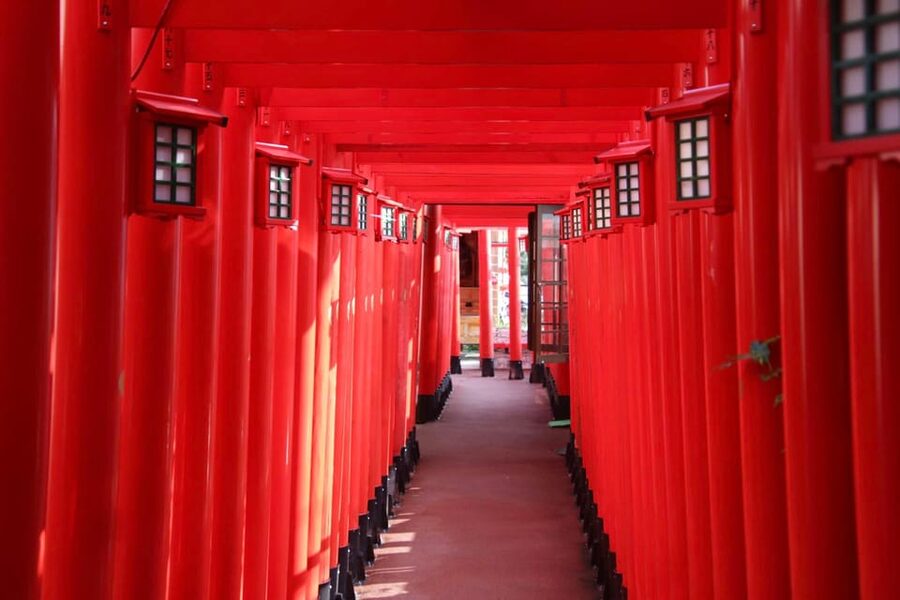
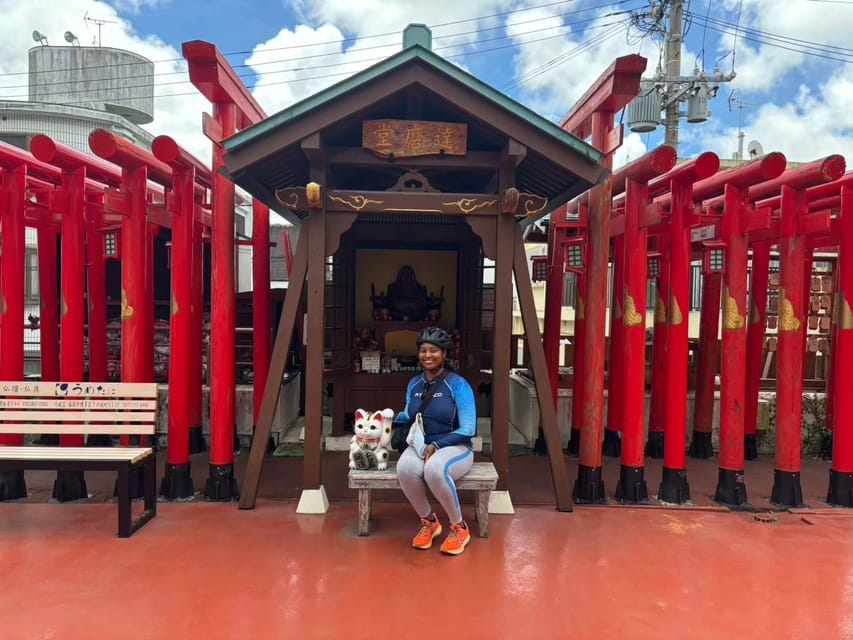
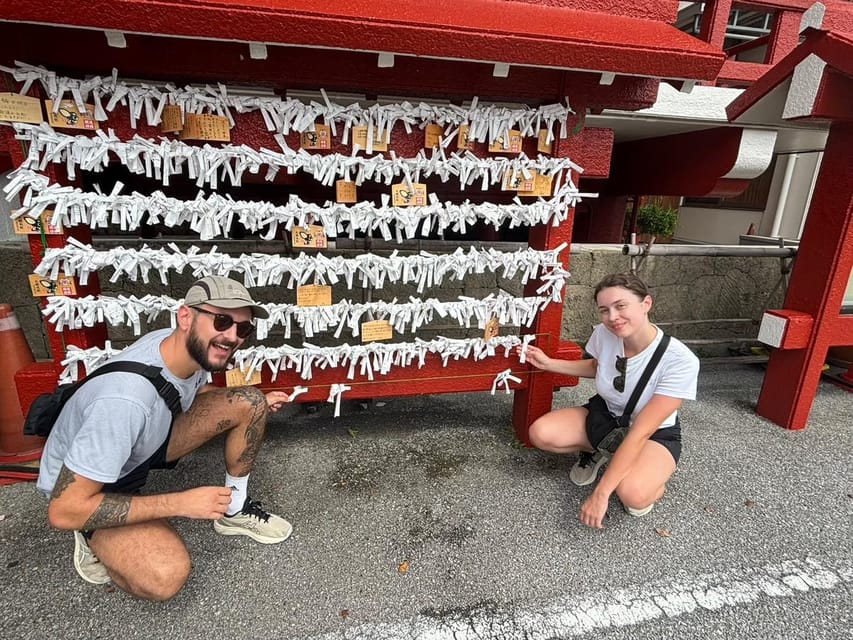
Daruma Temple is known for health and pregnancy prayers. The bright red daruma dolls and torii gate make this one of the more visually striking stops.
The daruma figures are not just decoration. They point to the personal side of temple visits, where people come with specific hopes and concerns. Your guide explains the customs connected with the site, helping you see more than a wall of red figures.
The stop lasts about 20 minutes, enough time to look around and ask questions. If you wish to offer money at a temple or shrine, bring some yen, since offerings are not included. You are not required to make an offering.
This is also a place where respectful behavior matters. Keep your voice low, follow the guide’s instructions, and remember that these are active religious places, not only sightseeing backdrops.
Seikoji Temple brings a quieter pause
After another riding section, the tour reaches Seikoji Temple. The setting is described as peaceful, with a sacred atmosphere, Jizo statues, and a modern building.
The Jizo figures give the stop a different visual character from the red Daruma dolls. The contrast is part of what makes the route work: each site has its own symbols, colors, and purpose rather than repeating the same temple visit several times.
The scheduled visit is about 10 minutes. That is enough for an introduction and a close look, but not a full temple tour. You should think of the experience as a guided sampling of Shuri’s religious places, connected by bicycle, rather than a scholarly examination of each site.
The ride between stops is part of the experience too. You see ordinary streets and back lanes that a car tour would likely skip. The guide helps you navigate and explains the area as you move, so the transitions do not feel like empty travel time.
Saki Kasahigawa Spring and water from the forest
Saki Kasahigawa is described as a miracle spring flowing from the deep forest. The water gives the route a natural pause after the buildings, gates, and statues.
The spring is important because it connects local belief with the physical setting. Sacred places in Okinawa are not always formal halls. A source of water, a tree, or a rock can carry meaning, and this stop helps explain that broader spiritual view.
Bring water for yourself, too. The spring is a place to see and reflect on, not a substitute for your own drink bottle. Sunscreen and a hat are also sensible, especially in warm weather. The operator asks you to bring comfortable clothing suitable for cycling and shoes that stay secure. Sandals and flip-flops are not allowed.
Sogenji Temple and a former royal resting place

The final major stop is Sogenji Temple, a former royal mausoleum. You can take in the gate, the gajumaru tree, and the clean air of the surrounding park before riding back to the shop.
This closing visit gives the tour a strong sense of time. Earlier stops show prayer, local customs, and neighborhood life. Sogenji adds a royal connection without turning the whole outing into a palace tour.
The return ride brings you back to the original bike shop. Since the tour starts and ends in the same place, you do not need to arrange transport from a distant final stop. That is handy if you plan to continue around Naha afterward.
The guides and how much help you can expect
The guide is a major part of this experience. Maki has been praised for adapting the outing to the group, explaining customs, and helping with photographs. Maria has been described as friendly, professional, and clear in English. Hiro has been especially careful about checking that people were comfortable and hydrated.
Other named guides include Reiji, Jojo, Sally, and Tiny. The guide team speaks English, Chinese, or Japanese, depending on the departure. English-language ability has been specifically appreciated by people who wanted detailed explanations of the temples and Okinawan traditions.
The helmet intercom helps, but it does not replace basic cycling awareness. You need to watch the road, follow directions, and stay alert around traffic. The guides provide route guidance and check on the group, but you remain responsible for operating the bike.
The tour is not suitable for anyone who cannot ride a bicycle. It is also less suitable if you want a completely passive sightseeing experience. The electric motor helps with the hills, yet you still spend three hours on a bike.
What the $95 price gets you
At $95 per person, the tour costs more than renting a bicycle and wandering around on your own. The comparison is not quite fair, though. The fee includes the electric bike, helmet, intercom, and a live guide who links several hard-to-find sites into one route.
The value is strongest if you care about context and convenience. You get help navigating Shuri’s backstreets, an explanation of temple customs, and access to a small group capped at five. You also avoid spending time trying to identify which narrow entrance leads to which temple.
The price is less appealing if you only want to see Shureimon Gate or if you already know the area well. The famous gate is free to photograph from the outside, while the tour earns its cost through the smaller sites and the guide’s explanations.
Meals and drinks are not included. Plan to eat before or after the ride, and carry water. One past outing included an extra bakery stop when time allowed, but you should not treat that as a guaranteed part of every departure.
Free cancellation is available up to 24 hours before the tour, and you can reserve now and pay later. Bad weather can change the plan. If the chance of rain exceeds 70 percent or severe weather is expected, the operator may alter the route and will contact you the day before.
Who should book this Shuri bike tour?
I would choose this tour if you want a compact introduction to Okinawan temple customs, enjoy active sightseeing, and prefer smaller places over a checklist of major monuments.
It suits couples, friends, and small families with confident cyclists. It is also a useful option for first-time visitors who want a guide to explain what they are seeing rather than simply point out names.
You should think twice if you dislike cycling in city streets, have trouble with hills, or want long, unhurried time at each temple. People who cannot ride a bike should not book it. Wear closed, comfortable shoes, bring water, sunscreen, and a hat, and leave the flip-flops at your hotel.
Should you book it?
Yes, if the idea of finding Shuri’s quieter religious sites by e-bike appeals to you. The strongest parts are the access to tucked-away temples, the small group, the helpful intercom system, and the guides’ personal explanations.
I would not book it solely for Shureimon Gate. Visit that gate on your own if it is your only goal. Book the tour for the full combination: red temple buildings, old gates, prayer figures, sacred water, royal connections, and the pleasure of moving through Shuri under your own power.
FAQ
How long does the guided e-bike tour last?
The tour lasts three hours, including the rides between stops and visits to the temples, shrines, gates, spring, and royal site.
Where does the tour start and finish?
It starts and ends at the bike shop in the building identified as ダイショウビル. The shop is a five-minute walk from Monorail Makishi Station, next to the post office.
What languages are available?
The tour is offered with guides speaking English, Chinese, or Japanese.
How many people can join the tour?
The tour is limited to five participants, making it a small-group experience.
Is the electric bicycle included?
Yes. The price includes the electric bicycle, helmet, and helmet intercom system.
What should I bring?
Bring comfortable shoes, water, sunscreen, and a hat. Wear clothing suitable for cycling. Sandals and flip-flops are not allowed.
Can I join if I cannot ride a bicycle?
No. The tour is not suitable for people who cannot ride a bike. You need to be comfortable cycling and following traffic and route instructions.
Latest bike tours added in Japan
- Private E-MTB guided cycling around Mt. Aso volcano & grasslands★ 5.0 · 16 reviews
- Tokyo: West-Side Cycling and Food Tour with Guide★ 5.0 · 37 reviews
- Tokyo: Private Cycling Tour with cute E-bike★ 5.0 · 11 reviews
- Tokyo Bay Area: Sunset Night View 3h E-bike Guided Bike Tour★ 5.0 · 11 reviews
- Tokyo: Hidden Gems Guided Bike Tour with Lunch★ 4.5 · 30 reviews
- Tokyo Bike Tour: Shibuya, Harajuku & Hidden Gems★ 5.0 · 20 reviews
- Tokyo: 3h Private E-bike Tours, Starting at Your Hotel★ 5.0 · 36 reviews
- Tokyo: 3-hour Guided E-Bike Tour of the City’s Hidden Gems★ 4.8 · 251 reviews
E-Bike Tours, compared.

3-Hour Porto Highlights on a Electric Bike Guided Tour
Read our review →
Hills, Alfama, and Mouraria Tour by Electric Bike
Read our review →
Athens Scenic Electric Bike Tour with optional Acropolis visit
Read our review →
City Highlights 3-Hour Guided Electric Bike Tour
Read our review →

Rome EBike Tour: Appian Way, Catacombs & Roman Aqueducts
Read our review →
Top Highlights & Hidden Gems Tour by Cannondale E-Bike
Read our review →Browse the lists this tour appears in