
Review · E-BIKE TOURS
Kanazawa Half Day E-bike Tour
Kanazawa is made for a bike tour. Its famous sights are spread across several historic districts, and an e-bike lets you connect them without spending the day on buses or wearing out your feet. You’ll move from geisha streets to Kenrokuen, Kanazawa Castle, and samurai lanes, with a local guide explaining what you’re seeing along the way.
I especially like the small group of no more than eight and the extra bike access after the tour, which gives you a useful way to keep exploring until midnight. The matcha stop at Gyokusen-an Garden is another strong point: it adds a quiet cultural moment instead of making the outing just a fast checklist of sights.
The main consideration is that this is not four hours of continuous cycling. You’ll also walk through gardens and historic districts, and the tour can be canceled for rain, snow, strong winds, or unsafe roads.
Key points to know before you book
- The route covers Kanazawa’s major historic districts: Kazuemachi, Higashi Chaya, Kenrokuen, Kanazawa Castle, and Nagamachi.
- The tea stop is at Gyokusen-an Garden: Matcha and traditional Japanese sweets are included.
- The e-bike makes a spread-out city easier to see: You cover more ground than on foot without needing a private vehicle.
- Guides tailor the pace: Rina, Liam, Ti, Maria, Rima, Rena, Yuki, and other guides have led tours, with repeated praise for clear explanations and friendly service.
- You keep the bicycle after the tour: Bike access continues until midnight, giving you time for an evening ride.
- The tour is best for confident cyclists age 10 and older: It is not suitable for people who cannot ride a bicycle or for children under 10.
Why an e-bike works so well in Kanazawa
Kanazawa has a compact center, but its key sights do not sit in one neat cluster. Higashi Chaya is east of the central area, Kenrokuen and the castle occupy another section, and Nagamachi lies farther west. Walking between all of them is possible, but it takes time and energy that you may prefer to spend inside the gardens and historic houses.
The e-bike solves that problem without turning the outing into a strenuous ride. You still pedal, but the electric assistance helps on longer stretches and makes the four-hour route manageable in hot weather. Several people found the bikes comfortable and easy to use, including first-time e-bike riders.
Your guide handles the initial fitting and explains how to operate the bicycle. That matters in a small group, since the ride needs to stay together through city streets. Guides such as Rina have also helped people understand how the public bike system works, which is useful if you want to keep riding later.
The tour costs $125 per person. That is not the cheapest way to see Kanazawa, but the price includes the electric bicycle, an English or Chinese-speaking guide, entrance fees, matcha, and traditional snacks. The added use of the bike until midnight improves the value, especially if you plan to ride to dinner or make another short visit after the formal tour ends.
More E-Bike Tours in Japan
- Hidden Kyoto E-Biking tour
★ 5.0 · 1,843 reviews - Tokyo Top Highlights 3h Guided E-bike Tour
★ 5.0 · 714 reviews - 3h Tokyo E-Bike Tour: Hidden Gems, and Local Life with guide
★ 5.0 · 670 reviews
Starting under the Kanazawa Station overpass
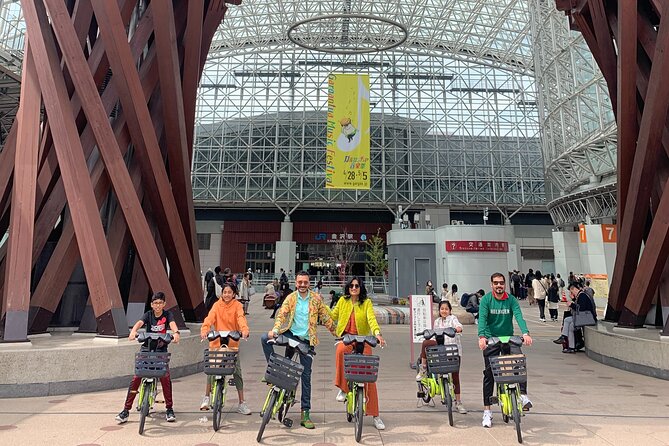
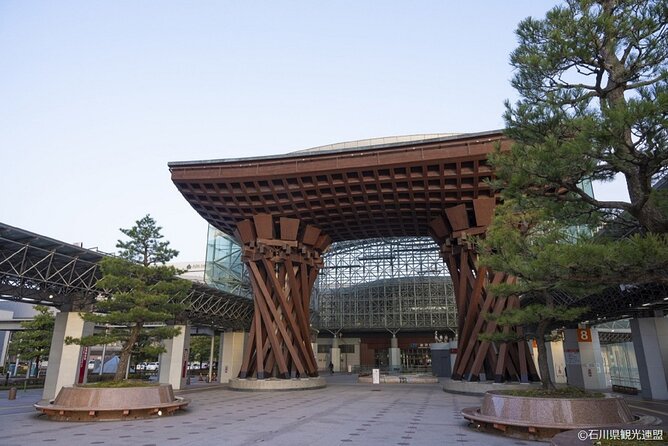
The meeting point is next to Kanazawa Station, under the train overpass at the bike parking area with many green electric bicycles. Look for the guide holding a blue flag marked with the company name New Japan Tourist.
This is a practical starting point. Kanazawa Station is easy to reach, and beginning here lets you get your bike before heading into the older parts of town. Allow enough time to locate the correct bike area rather than assuming the station entrance itself is the meeting place.
The group is limited to eight people. That size gives the guide a better chance to answer questions, adjust the pace, and help with bike handling. The tone is more like a guided outing with room for conversation than a large coach excursion.
Kazuemachi and Higashi Chaya: old Kanazawa by bicycle
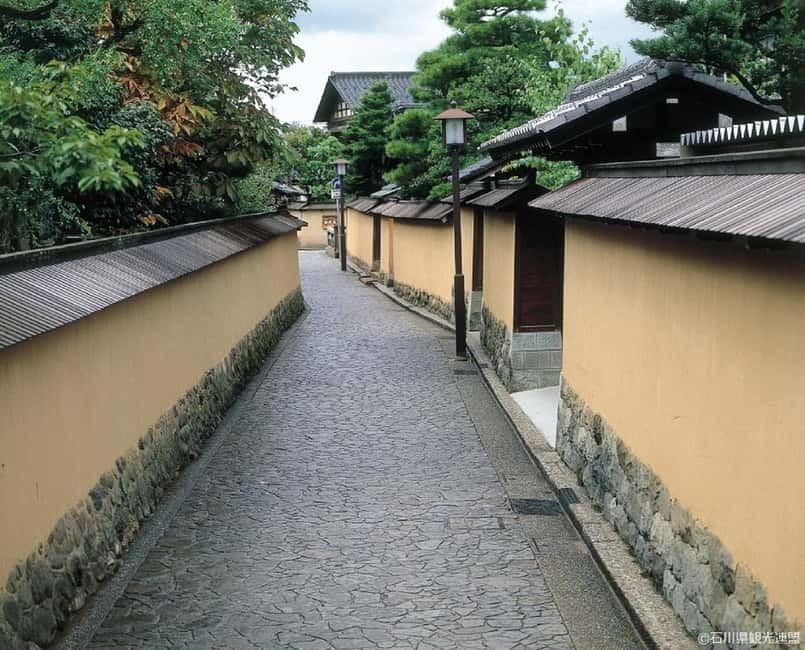
The first ride takes you toward Kazuemachi Chaya District, beside the Asano River. You stop for photographs and a short explanation, then continue to Higashi Chaya District, one of Kanazawa’s best-preserved geisha areas.
Higashi Chaya is known for its wooden teahouses and narrow streets. From a bicycle, you approach the district quickly, then get off to walk and look around. The ten-minute scheduled stop is brief, so you should not expect a full visit inside every building or a long independent wander.
The value here is the setting and the guide’s context. A good guide can point out details you might otherwise pass without noticing and explain how the district fits into Kanazawa’s past and present. Rina, Ti, Maria, and other guides have been praised for adding small facts, local suggestions, and stories rather than giving only dates and names.
Kazuemachi adds a slightly different mood. Its traditional buildings along the river make a good contrast with the more recognizable streets of Higashi Chaya. You get two historic districts early in the route, but the stop times are short because the tour has several more major sights ahead.
Kenrokuen Garden: the tour’s longest visit
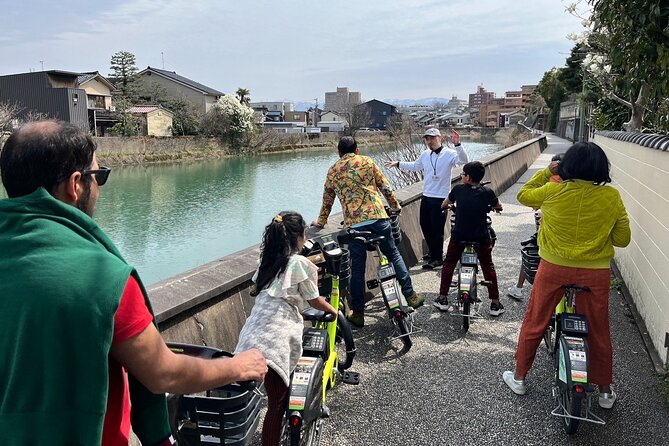
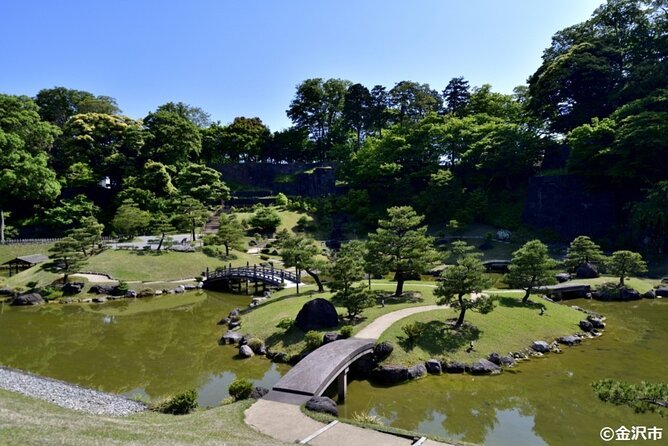
Kenrokuen receives about an hour, making it the most substantial stop. It is one of Japan’s three celebrated gardens, with ponds, bridges, carefully shaped trees, and changing views around each path.
This is where the walking portion becomes important. You will leave the bicycles and explore on foot, so wear shoes suitable for uneven paths and expect the tour to feel like a walking visit as much as a cycling trip. The bike gets you there efficiently, but it does not replace time on your feet.
I like the balance here. You are not simply stopping at the garden gate for a photograph. An hour gives you time to look at the water, stonework, plants, and carefully arranged views while your guide explains how the garden was designed.
The exact experience will depend on the season and weather. On a hot day, the shade and planned breaks matter. One guide, Rina, was especially attentive about water and recovery time during a summer outing. That kind of flexibility is worth having when you are combining cycling and walking.
Another way to spend a morning on two wheels:
- Tokyo Guided Small-Group Biking Tour
★ 5.0 · 1,250 reviews - Bike Tour Exploring North Kyoto plus Lunch
★ 5.0 · 1,087 reviews - Tokyo Great Cycling Tour
★ 5.0 · 811 reviews - Arashiyama Bamboo Forest & Hidden Gems Bike Tour (Early Bird)
★ 5.0 · 613 reviews
Kanazawa Castle and Gyokusen-an’s matcha pause
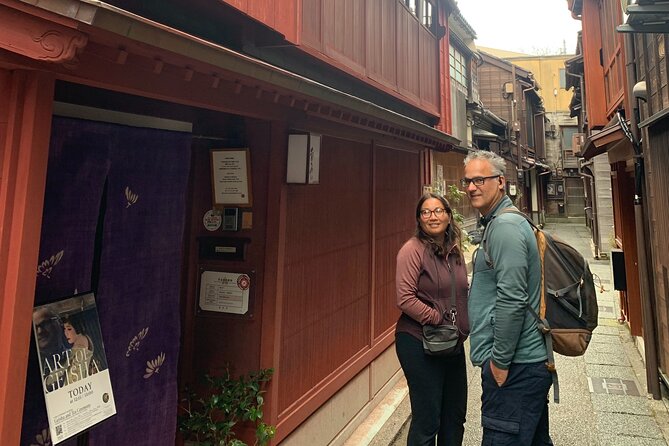
After Kenrokuen, the route continues to Kanazawa Castle. The castle once served as the base of the Maeda clan, the powerful family that shaped much of Kanazawa’s development. The scheduled visit is about 15 minutes, so think of it as a focused introduction rather than a full castle study.
Your guide can point out the architecture and explain the site’s role in the city. You also get views across the surrounding area, although the short timing means you will need to stay with the group.
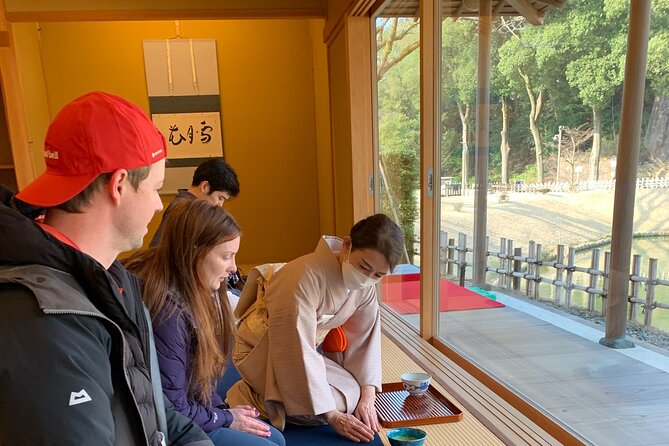
The most distinctive stop follows at Gyokusen-an Garden, within the castle grounds. Here you have about 30 minutes for a break, photographs, and a traditional tea experience. Matcha and Japanese sweets are included.
This is one of the best reasons to choose this particular route. A tea stop changes the rhythm of the afternoon. After cycling and walking, you sit in a quiet garden setting and focus on the preparation and taste of matcha. The experience is not presented as a long formal tea school, but it gives you a clear, calm introduction to an important part of Japanese culture.
The tea setting also creates space for questions. Guides have used this pause to explain local customs and offer food or coffee suggestions for later. If you want a tour that includes cultural context as well as transport between sights, this stop gives the itinerary more character.
Passing the 21st Century Museum
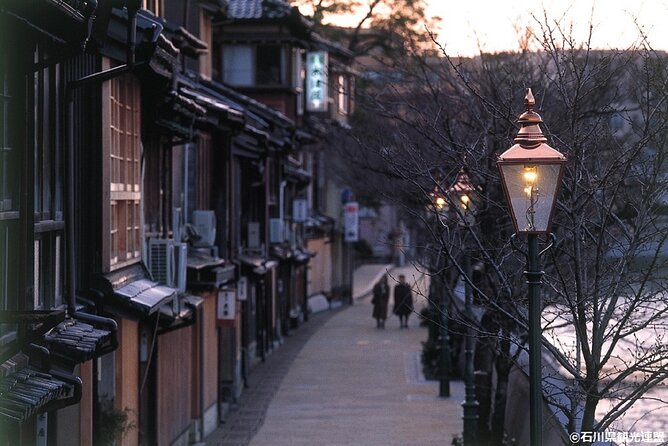
The route passes the 21st Century Museum of Contemporary Art, Kanazawa. You will see its distinctive modern design from the bicycle, but admission and a full museum visit are not part of the four-hour tour.
That limitation is worth knowing before you book. If the museum is high on your list, plan a separate visit. The bike tour gives you a quick look and keeps moving toward Nagamachi, so it works better as an overview of Kanazawa than as a deep visit to every major attraction.
This pass-by also adds a useful contrast. In one afternoon, you see old teahouses, a traditional garden, castle buildings, a samurai district, and a modern art museum. The route shows how Kanazawa combines preserved neighborhoods with current cultural life.
Nagamachi and the samurai district finish
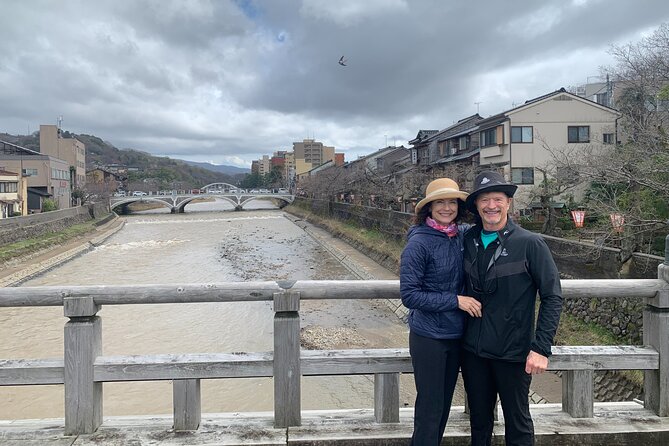
The tour ends in Nagamachi Samurai District, after about 20 minutes of cycling and sightseeing. This area is associated with samurai residences and preserved streets, giving you another view of Kanazawa’s past.
The ending is practical because Nagamachi is a good place to continue exploring on foot. You can look around after the formal tour, stop for food, or use the bicycle for the rest of the evening. The tour does not include hotel drop-off, so you need to make your own way back.
Nagamachi also gives the route a satisfying final contrast. Higashi Chaya shows the world of geisha entertainment, while Nagamachi points to the military and administrative side of the old city. With Kenrokuen and the castle between them, the tour covers several parts of Kanazawa’s identity in a short time.
The guides and the style of the experience
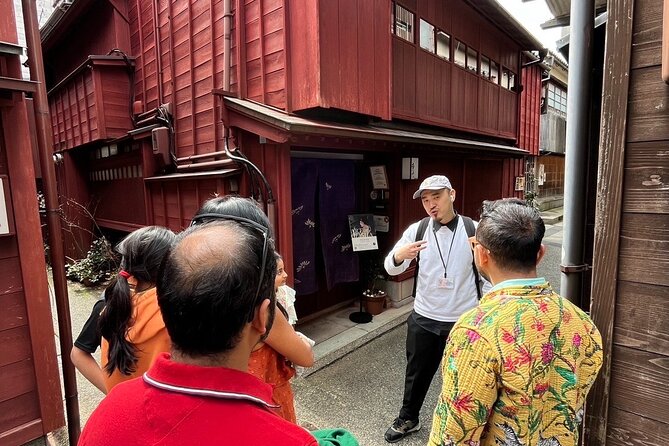
The guide can make or break a bicycle tour, and the strongest pattern here is the personal attention. Rina is frequently praised for her warmth, humor, safety awareness, and ability to adjust the pace. Liam has been appreciated for clear English, local recommendations, and an easygoing manner. Ti is known for lively explanations and a friendly approach, while Maria has been singled out for her enthusiasm for Kanazawa’s past.
Other named guides include Rima, Rena, Yuki, and Liqm. The available languages are English and Chinese, but guide assignments vary, so you should not book expecting a specific person unless the provider confirms it.
The guides also appear willing to adapt. They have slowed down in extreme heat, planned water and restroom breaks, answered questions about food and coffee, and adjusted the amount of explanation to suit the group. That flexibility is particularly helpful for families and older adults, although you still need to be comfortable riding and walking.
The tour is limited to eight people, which supports this relaxed style. It is a good fit if you want historical explanation without the formality of a large group. It is less suitable if you want a fast athletic ride or a completely independent afternoon.
What the $125 price really includes
At $125, you are paying for more than bicycle hire. The price covers the e-bike, guide, entrance fees, matcha, and traditional snacks. You also receive help with the route, bike operation, and timing, plus access to the bicycle until midnight.
A basic rental would give you transport, but not the background that connects the teahouse districts, castle, garden, and samurai quarter. A walking tour would provide explanation, but moving between these areas could take longer. This experience combines both functions.
The value is strongest if you have only one day in Kanazawa or want a first orientation before exploring alone. It is weaker if you already know the city well, dislike guided schedules, or plan to spend hours inside the 21st Century Museum, since that museum is only viewed from outside.
Food and drinks beyond the included sweets and matcha are not covered. Hotel pickup and drop-off are also not included. Those are small costs and logistics, but you should factor them into the day.
Who should book this tour
I would choose this tour if you want to see the main central sights in one organized half-day and enjoy moving under your own power. It suits couples, families with older children, and adults who like history but do not want a full day on foot.
The minimum age is 10. You need to be able to ride a bicycle, and the activity is not suitable for anyone over 95 according to the stated restrictions. You should also be prepared for walking at Kenrokuen, the castle area, the tea garden, and Nagamachi.
Hot weather is manageable with a flexible guide, but it still makes the ride more demanding. Rain, snow, strong wind, or unsafe roads can lead to cancellation. Check the forecast and keep plans flexible, especially during unsettled weather.
Free cancellation is available up to 24 hours before the start time, and you can reserve now and pay later. Those terms are useful when your Kanazawa schedule depends on rail connections or changing weather.
Should you book the Kanazawa half-day e-bike tour?
Book it if you want a friendly, efficient introduction to Kanazawa with real time in Kenrokuen, a matcha stop, and access to an e-bike after the tour. The combination of historic neighborhoods and local explanation is the main strength, and the small group keeps the outing personal.
Skip it if you cannot cycle, want a full museum visit, or prefer to linger for hours at each stop. For most active visitors with limited time, though, $125 is a fair price for the transport, admissions, tea experience, guide, and extra evening bike use. It gives you a strong first look at Kanazawa without reducing the city to a series of bus windows.
FAQ
How long is the Kanazawa e-bike tour?
The tour lasts four hours. After it ends, you can continue using the bicycles until midnight.
Where does the tour begin?
Meet next to Kanazawa Station under the train overpass, at the bike parking area with many green electric bicycles. The guide will hold a blue flag marked with New Japan Tourist.
Where does the tour finish?
The formal tour finishes in the Nagamachi Samurai District.
What places are included?
The route includes Kazuemachi Chaya District, Higashi Chaya District, Kenrokuen Garden, Kanazawa Castle, Gyokusen-an Garden, and Nagamachi Samurai District. You pass by the 21st Century Museum without stopping for a full visit.
Is matcha included?
Yes. Traditional Japanese snacks and matcha are included at the tea experience in Gyokusen-an Garden.
What languages are available?
The tour is offered with English-speaking or Chinese-speaking guides.
Can children join the tour?
Children must be at least 10 years old, and all participants need to be able to ride a bicycle. The activity is not suitable for people over 95.
Latest bike tours added in Japan
- Private E-MTB guided cycling around Mt. Aso volcano & grasslands★ 5.0 · 16 reviews
- Tokyo: West-Side Cycling and Food Tour with Guide★ 5.0 · 37 reviews
- Tokyo: Private Cycling Tour with cute E-bike★ 5.0 · 11 reviews
- Tokyo Bay Area: Sunset Night View 3h E-bike Guided Bike Tour★ 5.0 · 11 reviews
- Tokyo: Hidden Gems Guided Bike Tour with Lunch★ 4.5 · 30 reviews
- Tokyo Bike Tour: Shibuya, Harajuku & Hidden Gems★ 5.0 · 20 reviews
- Tokyo: 3h Private E-bike Tours, Starting at Your Hotel★ 5.0 · 36 reviews
- Tokyo: 3-hour Guided E-Bike Tour of the City’s Hidden Gems★ 4.8 · 251 reviews
E-Bike Tours, compared.
3-Hour Porto Highlights on a Electric Bike Guided Tour
Read our review →
Hills, Alfama, and Mouraria Tour by Electric Bike
Read our review →
Athens Scenic Electric Bike Tour with optional Acropolis visit
Read our review →
City Highlights 3-Hour Guided Electric Bike Tour
Read our review →
Rome EBike Tour: Appian Way, Catacombs & Roman Aqueducts
Read our review →
Top Highlights & Hidden Gems Tour by Cannondale E-Bike
Read our review →Browse the lists this tour appears in