
Review · BIKE & BOAT TOURS
Hiroshima: City and Miyajima Bike and Boat Tour
Hiroshima’s city-and-island contrast is the heart of this full-day outing. You begin by bicycle among the solemn memorials of Peace Park and the A-bomb Dome, then trade city streets for a ferry to forested Miyajima and its famous orange shrine buildings. It is a lot of Hiroshima in one day, but the change of scene keeps the pace fresh.
I like the flat cycling route, which makes the bike portion friendly to anyone who can ride. I also like the small group, capped at eight, and the way guides such as Ishan, Melissa, Sage, and Aimée-Linh bring both care and humor to difficult historical subjects. The main drawback is the long 450-minute schedule, with cycling, walking, trains, and a ferry all packed into one day.
Key points at a glance
- Peace Park by bicycle: Cover Hiroshima’s main memorial area at an easy pace, with historical commentary from an English-speaking guide.
- A-bomb Dome and Hiroshima Castle: See the city’s wartime memory alongside its older feudal past.
- Train and ferry to Miyajima: Transport is included, so you do not have to organize the island connection yourself.
- Itsukushima Shrine and religious history: Learn why Miyajima developed as a sacred center while walking its picturesque lanes.
- Trek bikes for different heights: The operator provides bikes in several sizes, plus step-through and child-sized models.
- Good weather backup: If rain threatens, you may switch to a Peace Park walking tour or receive a full refund.
Why this Hiroshima tour works so well
Many Hiroshima day tours make you choose between the city and Miyajima. This one joins the two in a single route, using a bicycle for the central city and a ferry for the island. That matters because Hiroshima and Miyajima offer very different impressions of the region.
The city portion is serious and reflective. Peace Park asks you to slow down and consider what happened here. Miyajima then gives you wooded hills, shrine buildings, sea views, and narrow lanes lined with shops and places to eat. The contrast is not just scenic. It helps you see Hiroshima as a living city with a long past, not only as the site of the 1945 atomic bombing.
The small group is another real advantage. With no more than eight participants, the guide can answer questions, adjust the pace, and keep an eye on slower cyclists. That personal attention came through strongly with guides including Ishan, Sage, Melissa, and Aimée-Linh, each praised for clear explanations, enthusiasm, humor, and patient support.
Still, this is not a casual two-hour ride. At seven and a half hours, it is a full day out. You should be comfortable changing from bike to walking shoes, then handling train and ferry transfers before walking again on Miyajima.
More Bike and Boat Tours in Japan:
- Hiroshima and Miyajima by Bike and Boat
★ 5.0 · 172 reviews - Ninh Binh Full-Day Tour from Hanoi to Hoa Lu, Tam Coc & Mua Cave Via Boat & Bike
★ 5.0 · 4,384 reviews - From Perth: Rottnest Island Full-Day Bike and Ferry Trip
★ 4.7 · 2,548 reviews
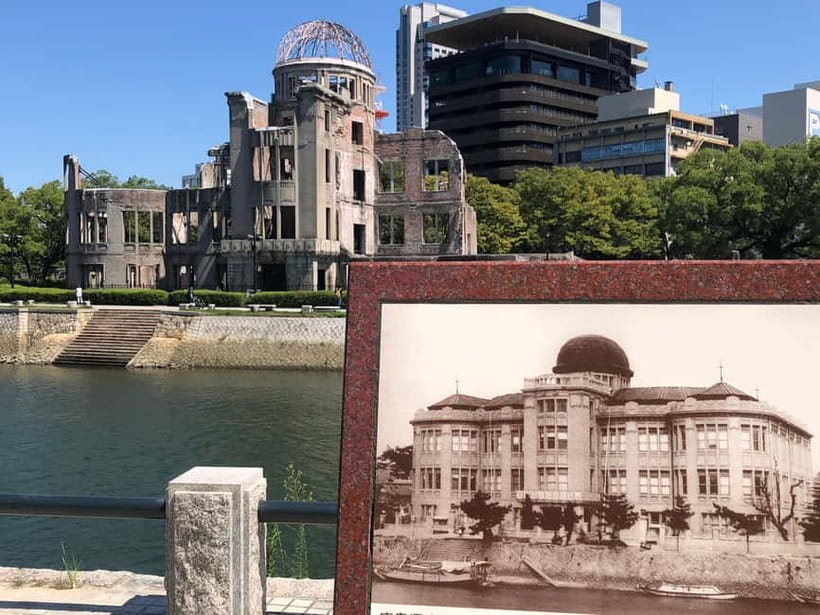
Cycling through Peace Park and the A-bomb Dome
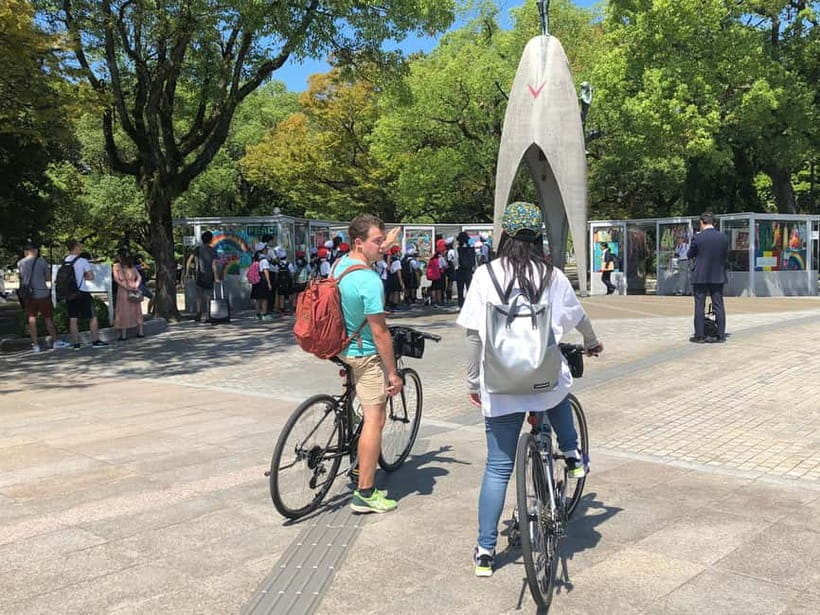
The day begins with the most emotionally important part of Hiroshima. You cycle around Peace Park and the A-bomb Dome while your guide explains the history of the bombing and the memorial area.
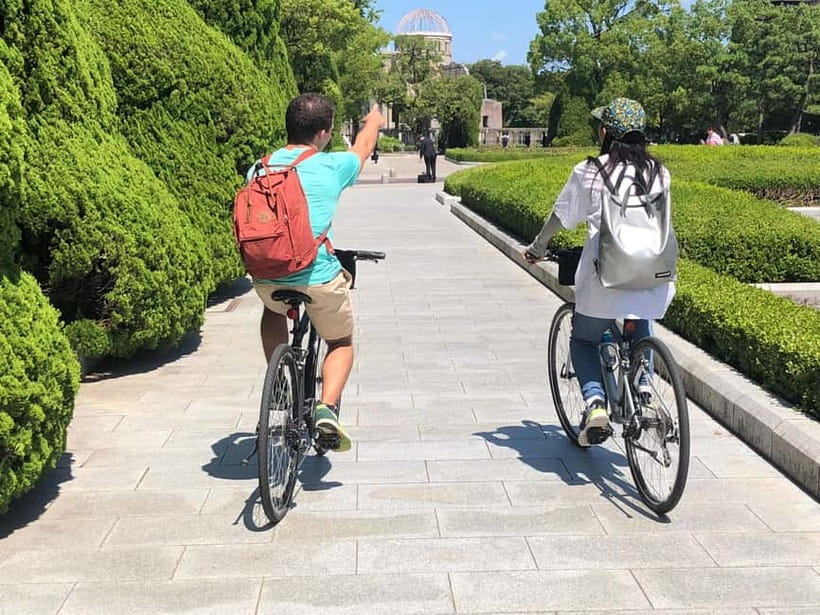
The bicycle is useful here because the route is completely flat. You can cover more ground than on foot without turning the visit into a race. The supplied Trek bikes come in several sizes, and step-through bikes are available. Child-sized bikes are also offered, which makes the setup more flexible for mixed-age groups.
Do not expect a thrilling ride. This is slow, purposeful sightseeing. The value lies in moving between important places while listening to context, rather than simply checking off a memorial and taking a photograph.
The A-bomb Dome is one of Hiroshima’s most recognizable buildings. Its damaged structure gives the city’s history a physical presence that can be difficult to grasp from a museum display alone. The guide’s commentary helps connect what you see with the wider story of Hiroshima before, during, and after the bombing.
The subject matter can be heavy. That is not a flaw, but it is worth preparing for. Guides have been praised for explaining the painful side of the bombing while also showing how Hiroshima remembers and rebuilds. A guide such as Melissa may spend time answering questions, so this section can feel more thoughtful than a quick stop for photographs.
You need comfortable clothes and shoes. A camera is useful, but I would treat photography as secondary here. The best part of this section is the explanation and the chance to take in the memorial area at a measured pace.
Hiroshima Castle and the city before the bombing
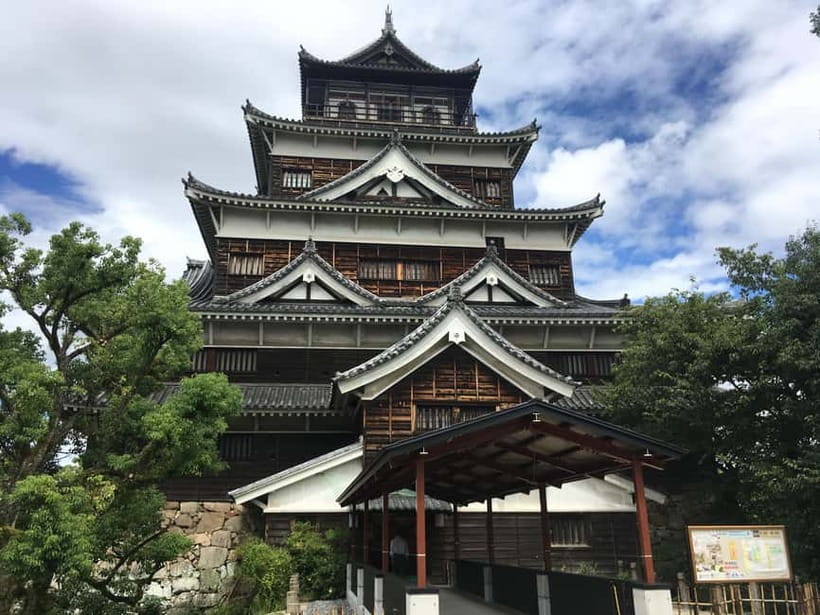
The tour then turns toward Hiroshima Castle, bringing the city’s feudal past into view. This is an important change in subject. Without it, Hiroshima can seem defined only by the events of the 20th century.
The castle represents an older Hiroshima, shaped by military rule and regional power. Your guide explains this part of the city’s story before the tour leaves for Miyajima. The stop does not replace a full castle visit for someone deeply interested in Japanese castles, but it gives you useful context and a better sense of the city’s earlier identity.
I appreciate this pairing of Peace Park and Hiroshima Castle. One stop deals with modern war and remembrance. The other points back to the political and military world that shaped Japan long before the Meiji period. Guides have also covered Hiroshima’s pre-Meiji past in detail, so you can ask questions if this part interests you.
The castle stop also gives the day a change of rhythm. After the solemn atmosphere around the A-bomb Dome, you get a different subject before heading to the train. That variety is one reason the long itinerary does not feel like one continuous memorial visit.
The train and ferry to Miyajima
After the city sightseeing, the group takes a train and then boards a ferry to Miyajima. These transfers are included, which adds value to the $138 price because you do not have to work out the connection on your own during a busy day.
The ferry is more than a practical ride. It creates a clear break between Hiroshima city and the island. As the city recedes, Miyajima’s wooded setting and orange shrine structures come into view. The change is especially welcome after the serious tone of Peace Park.
You should think of the transfer as part of the experience, not lost time. It lets the day shift from urban history to religious tradition and natural scenery. It also means you are not cycling the entire day, which helps keep the physical effort reasonable.
That said, the schedule involves several types of transport. If you prefer a slow day with one base and no changes, this may feel busy. If you like having the main connections handled for you, the arrangement is convenient.
More bike tours in Japan:
- Hidden Kyoto E-Biking tour
★ 5.0 · 1,843 reviews - Tokyo Guided Small-Group Biking Tour
★ 5.0 · 1,250 reviews - Bike Tour Exploring North Kyoto plus Lunch
★ 5.0 · 1,087 reviews - Tokyo Great Cycling Tour
★ 5.0 · 811 reviews
Walking Miyajima’s sacred lanes
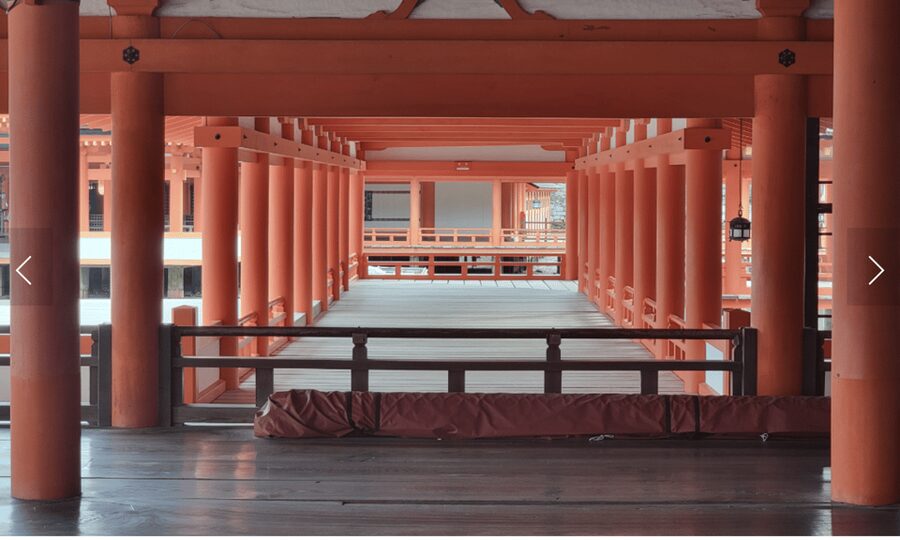
Miyajima is the highlight for many people on this route. The island’s greenery, water setting, and orange Shinto buildings create a sharp contrast with central Hiroshima.
The walking tour explains how Miyajima developed as a religious center. That background gives more meaning to the island’s famous buildings. You are not simply moving from one photo stop to another. You learn why the island has held spiritual importance and how its religious identity shaped the way it looks today.
The route includes Itsukushima Shrine, the island’s best-known sacred site. Its orange structures are especially striking against the wooded hills and water. The tour also takes you through picture-friendly lanes, where you can pause for photographs and take in the island at street level.
The island section is not a strenuous hike based on the information provided. It is a walking tour through the shrine area and lanes, following the ferry arrival. Still, you should wear comfortable shoes because the day includes both cycling and walking.
Miyajima can also be the busiest-feeling part of the outing, simply because it is the most famous stop. The small group helps, but you should not expect complete quiet around the shrine and popular lanes. The tour’s value is in seeing the main sights while receiving historical and religious context, not in having the island to yourself.
Food, bikes, and what the price covers
At $138 per person, this is not the cheapest way to see Hiroshima. It is also more than a basic bicycle rental or a simple ferry visit. The price includes a guide, bike, helmet, lunch, water, train and ferry transfers, the Peace Park cycling route, Hiroshima Castle, and the Miyajima walking tour.
That package makes the cost easier to justify if you want one organized day. You are paying for transportation between separate sights and for a guide who can link the city’s different historical periods. The small group is important here. A cap of eight gives the day a more personal feel than a large coach excursion.
Lunch is included, and you are asked to provide dietary information when booking. That is useful if you have food restrictions, though the supplied details do not specify the exact meal or restaurant. Bring a little extra water or a snack if you know you eat between meals, but water is included.
The bikes are another part of the value. You do not have to find a rental shop, judge which bike fits, or return it before moving on. Trek bikes are supplied in several sizes, with step-through and child-sized options. You should provide everyone’s height ahead of time so the operator can prepare the right equipment.
Hotel pickup and drop-off are not included. You need to reach the starting point yourself and make your own way home after the tour. That is normal for a city-based activity, but it matters when you are comparing the price with door-to-door excursions.
How difficult is the cycling?
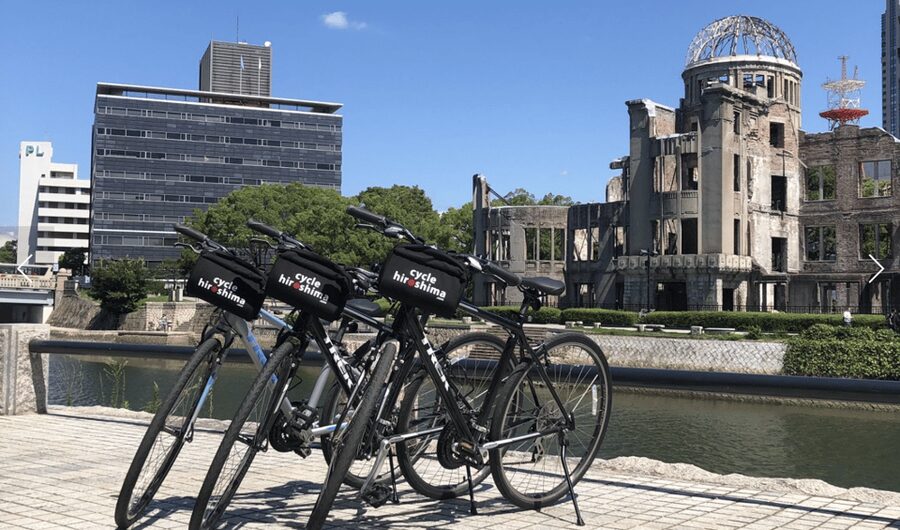
The cycling route is flat and suitable for all skill levels, as long as you can ride a bicycle. The pace is described as easy, and slower riders are supported. This is reassuring if you ride only occasionally or feel nervous about keeping up.
You do not need advanced cycling ability. The bigger issue is comfort over a full day. Even an easy ride takes energy when it is combined with a walking tour and several hours outside.
The tour is not suitable for people who cannot ride a bike, wheelchair users, or pregnant women. These limits are important, especially because the first section is a core part of the experience rather than an optional extra.
Rain can change the plan. If the weather turns bad, the operator will contact you and offer either a walking tour around Peace Park or a full refund. Keep your phone reachable before the tour. This is a fair policy, and the walking alternative preserves the most important city section, but you should not assume the original bike-and-boat format will run in wet conditions.
Which guide can shape your day?
The guide makes a large difference on a history-heavy tour. Names associated with this experience include Ishan, Aimée-Linh, Melissa, and Sage, though your guide will depend on the date.
Ishan has been noted for answering many questions with enthusiasm. Aimée-Linh brings historical detail and humor, while Melissa has been praised for handling the bombing’s difficult history with care and for answering questions thoroughly. Sage has helped keep people comfortable in rainy conditions while explaining Peace Park, Hiroshima Castle, and the city’s pre-Meiji past.
Those details tell you what to look for from the guide: ask questions. The schedule covers several subjects, from the atomic bombing to feudal Japan and Miyajima’s religious role. You will get more from the day if you use the small group to ask about what you are seeing.
A guide may also adjust the pace when needed. Slower cyclists have been supported, and the small group makes it easier to stay together. That is a practical advantage over a large group where the guide must keep moving.
Who should book this 450-minute outing?
I would recommend this tour to a first-time visitor who wants a broad introduction to Hiroshima and Miyajima without arranging the transport independently. It works especially well if you want history explained in person rather than reading only signs and guidebook captions.
It also suits active sightseers who like changing modes of transport. You cycle, walk, ride a train, board a ferry, and walk again. The route is flat, but the full day still requires stamina and comfortable clothes.
Families may find the bike sizes helpful, since child-sized bikes and step-through models are available. You must still consider the age and ability of each person, as everyone taking the cycling portion needs to be able to ride.
I would hesitate to recommend it if you want a quiet, unstructured day on Miyajima, a long visit inside one museum, or a strenuous ride through the countryside. This outing is built around coverage and context. You see several major places, but you do not linger for hours at just one of them.
Practical details before you reserve
The experience lasts 450 minutes, or seven and a half hours. English is the tour language, and the group is limited to eight people.
Wear comfortable clothes and shoes. Bring a camera, but keep your hands free enough for cycling. Smoking is not allowed.
Give the operator the height of everyone in your group and note any dietary restrictions. The height information helps with bike sizing, while the dietary details matter because lunch is included.
Free cancellation is available up to 24 hours before the start time for a full refund. You can also reserve now and pay later, which helps if your Japan schedule is still shifting.
Should you book the Hiroshima bike and boat tour?
Book it if you want Hiroshima’s major themes joined into one well-managed day: the A-bomb Dome and Peace Park, the city’s feudal past, and Miyajima’s shrine and religious traditions. The flat route, included transport, lunch, equipment, and eight-person limit give the $138 price solid value for a visitor who would otherwise need to organize several pieces separately.
Skip it if you cannot ride a bike, need wheelchair access, or prefer to set your own pace. Also think twice if seven and a half hours of sightseeing sounds tiring.
For most first visits, I like the balance. The bicycle makes the city portion active without making it hard, the ferry gives the day a natural change of scene, and the guides bring needed care to Hiroshima’s difficult history. It is a busy day, but it gives you a clear, memorable picture of both the city and Miyajima.
FAQ
How long does the Hiroshima bike and boat tour last?
The tour lasts 450 minutes, or seven and a half hours. It includes cycling, walking, train and ferry transfers, and lunch.
Is the cycling route difficult?
The route is completely flat and suitable for anyone who can ride a bike. The tour provides Trek bikes in several sizes, along with step-through and child-sized bikes.
What places are included?
The tour includes Peace Park, the A-bomb Dome, Hiroshima Castle, Miyajima Island, and Itsukushima Shrine. It also includes a walking tour of Miyajima’s lanes and religious sites.
Are the train and ferry tickets included?
Yes. Train and ferry transfers to Miyajima are included in the tour price.
What happens if it rains?
The operator will contact you and offer a choice between a walking tour around Peace Park or a full refund. Make sure you can be reached before the tour.
Is lunch included?
Yes. Lunch and water are included. You should provide information about any dietary restrictions when booking.
Latest bike tours added in Japan
- Private E-MTB guided cycling around Mt. Aso volcano & grasslands★ 5.0 · 16 reviews
- Tokyo: West-Side Cycling and Food Tour with Guide★ 5.0 · 37 reviews
- Tokyo: Private Cycling Tour with cute E-bike★ 5.0 · 11 reviews
- Tokyo Bay Area: Sunset Night View 3h E-bike Guided Bike Tour★ 5.0 · 11 reviews
- Tokyo: Hidden Gems Guided Bike Tour with Lunch★ 4.5 · 30 reviews
- Tokyo Bike Tour: Shibuya, Harajuku & Hidden Gems★ 5.0 · 20 reviews
- Tokyo: 3h Private E-bike Tours, Starting at Your Hotel★ 5.0 · 36 reviews
- Tokyo: 3-hour Guided E-Bike Tour of the City’s Hidden Gems★ 4.8 · 251 reviews
Bike & Boat Tours, compared.
Ninh Binh Full-Day Tour from Hanoi to Hoa Lu, Tam Coc & Mua Cave Via Boat & Bike
Read our review →
Ninh Binh Day Trip: Hoa Lu-Trang An/Tam Coc-Mua Cave-Cycling-Boat
Read our review →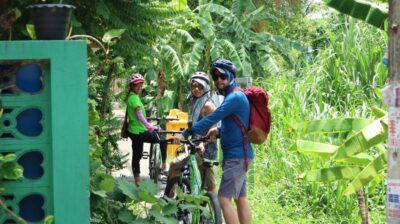
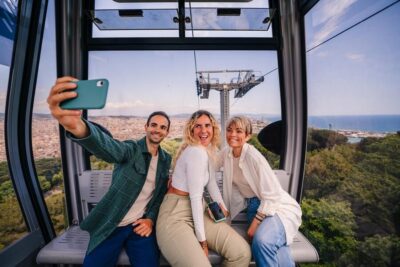
E-Bike Tour with Montjuic Cable Car & Boat Ride
Read our review →
From Fremantle: Rottnest Island Ferry and Bike Day Tour
Read our review →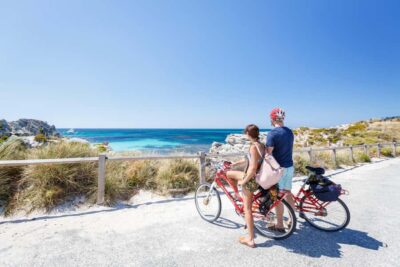

Browse the lists this tour appears in