
Review · E-BIKE TOURS
E-Bike Nara Highlights – Todaiji, Knives, Deer, Shrine
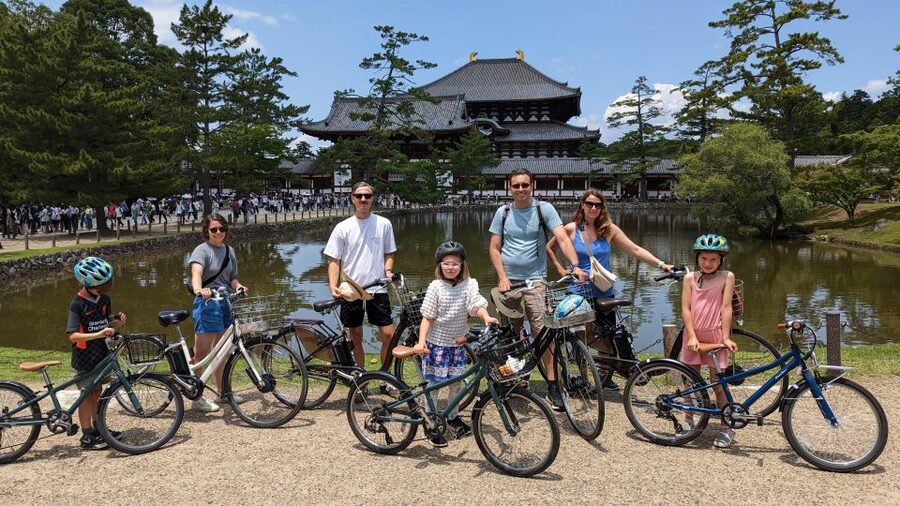
Nara’s best sights spread across a large park, and an e-bike is a smart way to connect them. In 3.5 hours, you can see Todaiji, bow to the deer, visit Kasuga Taisha, pause at Ukimido, and still have time for Japanese cutlery. Guides such as Robert, Remi, Chris, Melody, and Elodie bring local history and practical help to the ride.
I especially like two things here: the route covers much more than a walking tour, and the knife stop adds a real local craft connection beyond the usual temple circuit. The included deer crackers, Todaiji admission, and Japanese snack also keep the day simple.
The main consideration is pace. This is not a slow bicycle stroll. You need to ride confidently, watch for people and deer, and keep moving between stops. One recent rider also found the bikes less suitable for taller riders, so ask about fit before setting off.
Key points to know before you book
- Todaiji and Nandaimon in one efficient visit: See the huge temple gate and enter one of Nara’s essential sights without spending the day walking between stops.
- Deer crackers are included: Your guide shows you how to feed the deer in the local way, with a little care and patience.
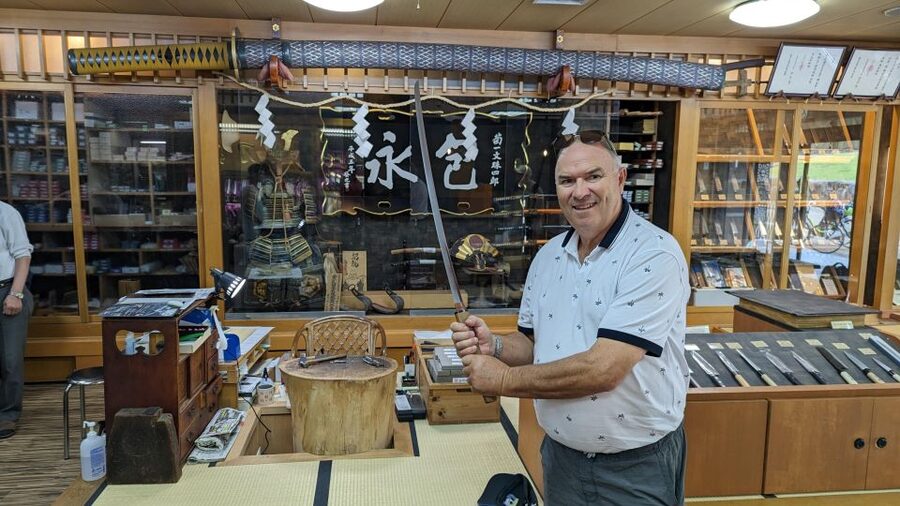
- A family knife-making connection: Kikuichimonjushirokanenaga honten offers an introduction to Japanese cutlery, with shopping help if you want a knife or gift.
- Kasuga Taisha and its lanterns: The shrine adds a quieter, wooded Shinto setting to the Buddhist temple visit.
- A practical choice in hot weather: The motor assistance cuts down the effort across Nara Park, though you still need to pedal and ride safely.
- Small groups make a difference: Private and small-group options are available, and guides can often shape explanations around your interests.
Why an e-bike works so well in Nara Park
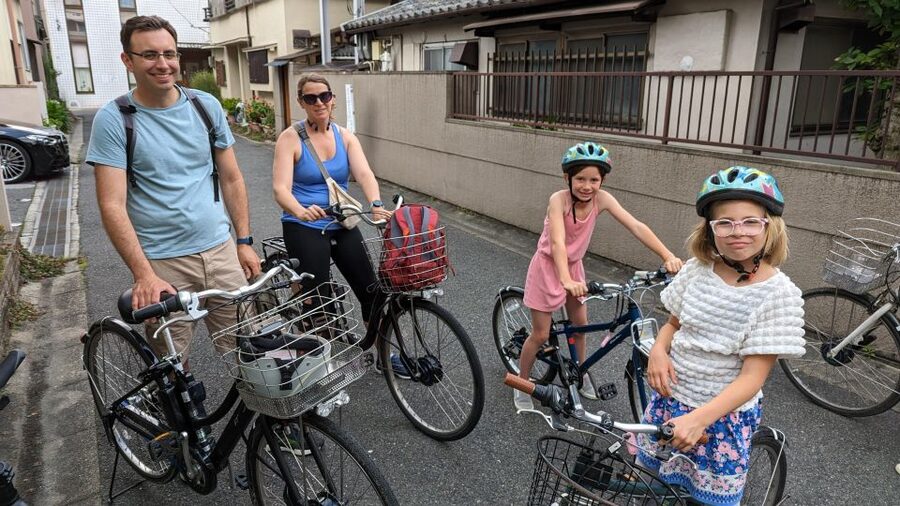
Nara looks compact on a map, but the main sights are spread across a broad park. Walking from Kintetsu Nara Station to Todaiji, then on to Kasuga Taisha and Ukimido, can take a sizeable part of your day. The e-bike lets you spend more time looking at temples, shrines, deer, and gardens instead of simply covering pavement.
You still get the open-air feel of cycling. You are not sealed inside a bus, and you can notice the park changing as you ride. The route includes scenic stretches, wooded paths, and views toward Mt. Wakakusa. The electric assistance matters most when you are tired, riding in warm weather, or dealing with the gentle rises around the park.
This is also a good fit if your Nara visit is short. The tour lasts 210 minutes, or three and a half hours, and returns to the same bike base near Kintetsu Nara Station. You get a structured route without having to work out which roads allow bicycles or where to park.
The tradeoff is that this is an active sightseeing experience. The ride is generally at a forward pace, not a leisurely crawl. You should already be comfortable on a bicycle, since bicycle insurance is not included and the operator asks riders to make sure they can ride properly before booking.
More City Bike Tours in Japan
- Tokyo Top Highlights 3h Guided E-bike Tour
★ 5.0 · 714 reviews - 5 Top Highlights of Kyoto Full Day Bike Tour (E-bike option)
★ 5.0 · 511 reviews - Tokyo: 3-Hour Bike or E-Bike City Highlights Tour
★ 4.8 · 435 reviews
Meeting near Kintetsu Nara Station
The starting point is at 16-1 Takamaichicho, less than a five-minute walk from Kintetsu Nara Station. Be careful here: the meeting point is near Kintetsu Nara Station, not JR Nara Station. That distinction matters, especially if you arrive by train with luggage or follow a map to the wrong station.
Arrive 15 minutes early. Your guide wears a JTA uniform with a navy cap and red polo shirt, making the meeting easier. After a basic bike introduction, you set off toward Nara Park.
Helmets are available if requested, subject to availability. Comfortable clothes and shoes are sensible, and bring cash for anything you choose to buy or eat beyond the included snack. Passport, comfortable clothing, and cash are listed as items to bring.
The tour can run as a private or small-group experience. A single person may book, but two guests are needed for the session to operate. If a solo booking does not reach that minimum, the operator may cancel and offer a new date or a full refund.
Nara Park and the deer
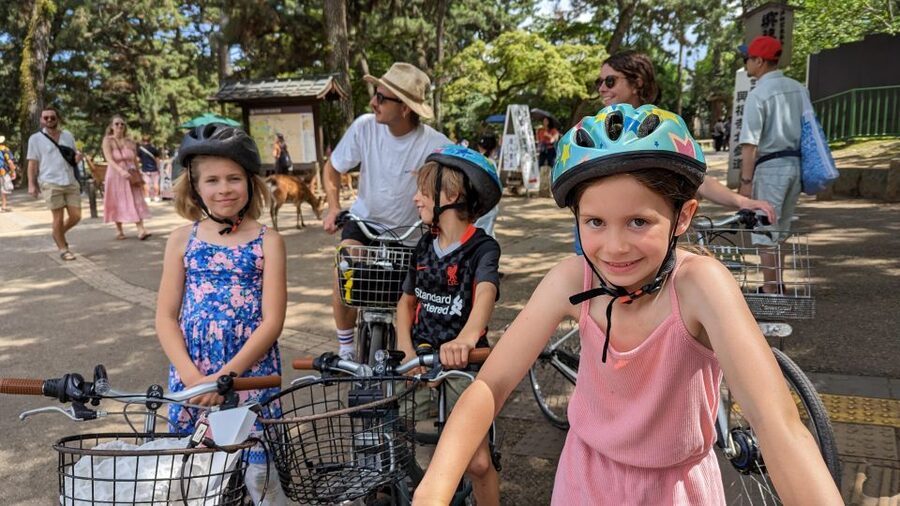
The first stretch through Nara Park gives you a quick sense of why bicycles are useful here. Deer appear throughout the park, and the scenery opens up as you leave the station area. The initial park portion is listed at about 15 minutes, followed by more riding later in the route.
Deer crackers are included, so you can take part without first hunting down a stall. The guide explains how to feed the deer in the Nara way. Follow that advice closely. Offer the crackers in small pieces, keep your hands clear once the food is gone, and expect some deer to be more eager than others.
The deer are a wonderful part of Nara, but they are still animals. You will share paths with them, bicycles, and many people on foot. Keep your attention on the route and avoid treating the feeding stop as a free-for-all. This short lesson from the guide is one of the more useful parts of the morning or afternoon.
The tour works especially well in cooler weather, but several riders have enjoyed it in summer because the motor assistance reduces the amount of walking. In hot conditions, remember that an e-bike does not remove the need for water, sun protection, or sensible clothing.
Nandaimon Gate, the dramatic entrance to Todaiji
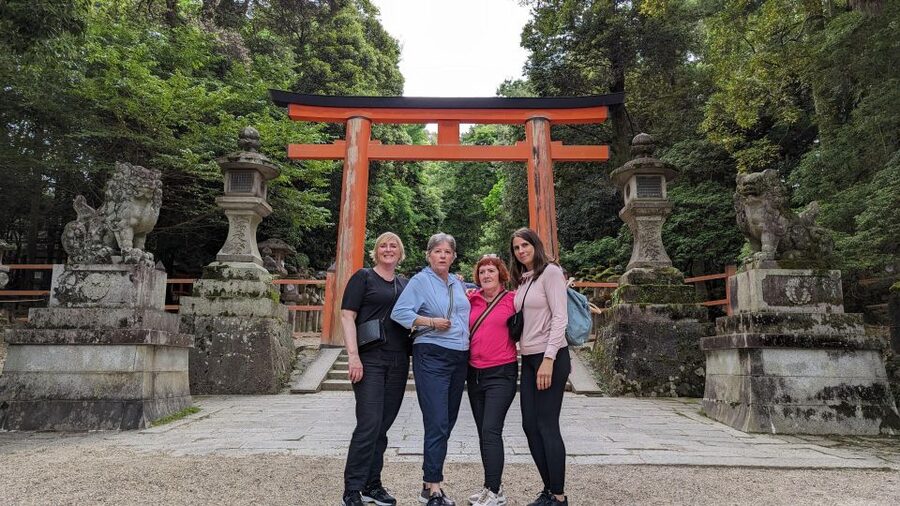
Nandaimon Gate is one of the most impressive stops on the route. The gate creates a grand entrance to the Todaiji complex, with the famous guardian statues adding scale and drama. You have around 20 minutes here for a guided visit, photographs, walking, and time with the deer nearby.
This is a place where a guide adds useful context. The gate is not just a photo background. It marks the approach to one of Japan’s major Buddhist temples, and the guide can help connect the architecture, religious setting, and history before you enter the main hall.
You should expect a lively scene around the gate. It is one of Nara’s key sights, so the combination of visitors, deer, and wide paths can feel busy. The bicycle helps you arrive efficiently, but it does not make the site private or quiet.
More E-Bike Tours in Japan
- Hidden Kyoto E-Biking tour
★ 5.0 · 1,843 reviews - 3h Tokyo E-Bike Tour: Hidden Gems, and Local Life with guide
★ 5.0 · 670 reviews - Kyoto: Memory Kyoto E-Bike Tour
★ 4.8 · 297 reviews - E-Bike Tours of the highlights of Kyoto!!!
★ 5.0 · 291 reviews
Todaiji and the Great Buddha
Todaiji receives the longest stop, about 45 minutes. That includes the temple visit, free time, photographs, sightseeing, and a little shopping. Entrance is included in the tour price, which is helpful because you do not need to pause at the ticket counter or handle another payment during the route.
Inside, the scale is the point. Todaiji’s main hall and the Great Buddha create the kind of visual impact that photographs do not fully capture. Give yourself time to look up, notice the timber structure, and take in how the building frames the statue.
The visit is partly self-guided, so the guide may explain the setting before giving you time to explore at your own speed. That balance works well. You receive background information without having every minute filled with commentary.
Forty-five minutes is enough for a meaningful first visit, though not enough for every corner of the complex. If Todaiji is your main reason for coming to Nara, you may want a separate return visit. For a first look combined with several other sites, the timing is sensible.
Mt. Wakakusa and the ride across the park
After Todaiji, the route passes Mt. Wakakusa for about 15 minutes. You do not climb the mountain on this tour. Instead, you ride past it and enjoy the changing views and open park setting.
This section shows the value of the e-bike more than any brochure description can. You cover ground quickly, but you remain close to the surroundings. The electric motor helps with the rise, and one family specifically appreciated that the bikes made the sightseeing easier for younger riders.
You should still expect regular pedaling and a forward pace. If you want a slow ride with frequent stops, tell the operator in advance and consider a private format. The bikes are designed to help you move through the park, not replace all physical effort.
Japanese knives at Kikuichimonjushirokanenaga

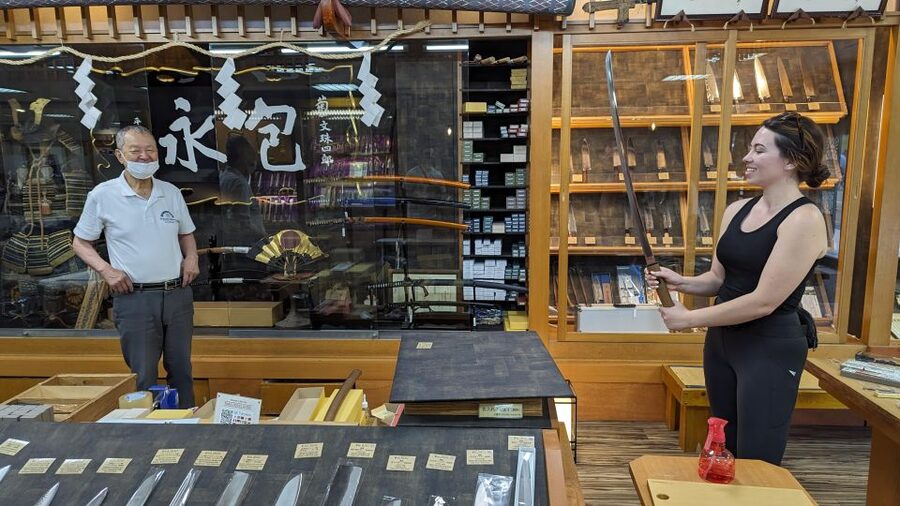
The knife stop is the tour’s most unusual feature. At Kikuichimonjushirokanenaga honten, you have about 30 minutes for an introduction to Japanese cutlery, its background, shopping, photographs, and a small break.
This adds a practical side to the day. After temples and shrine architecture, you get to handle an object connected to Japanese food culture and craftsmanship. The shop is associated with a family tradition connected to sword making, giving the stop more substance than a standard souvenir visit.
You are not required to buy anything. The guide can help with shopping if you want a knife or gift, which is useful when you need help understanding differences in style, care, or intended use. One rider arrived determined not to buy anything and left wishing for a set, so set a budget before you enter.
The price of a knife is not included. Extra food and drinks are also separate. The tour does include one Japanese snack called Kanoko for each person, but you should bring cash if you want to purchase cutlery or additional refreshments.
Kasuga Taisha and its stone lanterns
Kasuga Taisha brings a different mood from Todaiji. The tour allows about 30 minutes for the shrine, photographs, sightseeing, walking, and deer viewing.
The shrine is known for its rows of lanterns and forested setting. This is the Shinto side of Nara, giving you a useful contrast with the Buddhist temple earlier in the day. A good guide can explain the difference between the two traditions without turning the stop into a lecture.
Watch your footing during the walking portion and keep track of the meeting point. The shrine grounds can feel more spread out than a single temple hall, and the bicycle remains outside while you explore on foot.
This is also one of the stops where the tour’s timing feels carefully judged. Thirty minutes gives you enough space for the main atmosphere and photographs, while keeping the entire route within three and a half hours.
Ukimido and the final loop
The route later reaches Ukimido for about 15 minutes. This small pavilion on the pond offers a change from temple gates and shrine lanterns. You get a scenic pause, photographs, and a chance to slow down before the final ride.
The return portion through Nara Park takes around 30 minutes in total, split between cycling and short sightseeing sections. You ride back toward the starting point at 16-1 Takamaichicho, completing a broad loop rather than simply retracing the first part of the route.
Guides sometimes take photographs during the ride and share them afterward. This is not listed as a guaranteed inclusion, so treat it as a possible extra rather than a promise. Still, it can be a welcome benefit when your hands are occupied with the bicycle.
Guides, language, and the feel of the tour
The available languages are English and French. French-speaking guides are available, but French cannot be guaranteed on a shared tour because the group may include several nationalities and English may become the main language. Contact the operator ahead of time if French is important to you.
The guide quality is a major part of this experience. Robert is often praised for clear explanations about temples, shrines, Shinto, Buddhism, Zen, and Japanese culture. Remi is described as thoughtful and well informed about Japanese history and daily life. Chris has been singled out for being patient and flexible, while Melody and Elodie have helped riders feel safe and comfortable.
You should expect more than directions between stops. The best guides adjust the amount of explanation to your interests, answer questions, help with photographs, and assist at the knife shop. If you have particular interests, mention them early.
Families can book the tour, and child seats can be provided for riders under 10, with up to one child seat per e-bike. Confirm the arrangement before booking, since the supplied information does not specify the seat size or exact bike limits.
Is the $90 price good value?
At $90 per person, this is not the cheapest way to see Nara. You are paying for the e-bike, a local guide, deer crackers, Todaiji admission, the Kanoko snack, and a planned route that links several major sites.
I think the value is strongest if you have only one day in Nara, dislike long walks, or want a guide to handle the route and cultural explanations. The tour can cover in three and a half hours what might take much longer on foot, especially in hot weather or with children.
The value is less clear if you already know Nara well, want to linger for hours at Todaiji, or prefer exploring independently. One rider felt it was slightly expensive compared with similar tours, and another thought the bikes should cost less even for a private outing. Those are fair concerns.
Bike quality has generally been a strong point, but one recent rider found a bike poorly maintained and not ideal for taller people. Ask about the current fleet and bike fit if you are tall or particular about equipment. Bicycle insurance is not included.
Who should book this Nara ride?
I would choose this tour if you want to see the main Nara Park sights without spending the whole day on foot. It suits first-time visitors, active families, couples, solo riders who understand the minimum-group rule, and anyone making a short stop between Kyoto and Osaka.
It is also a good choice for people who want some structure but still enjoy free time at Todaiji, Kasuga Taisha, and the knife shop. The route feels varied rather than temple after temple after temple.
You may want another plan if you are uncomfortable on a bicycle, need a very slow pace, dislike shopping stops, or want a fully private experience with long visits at each temple. Rain and cold are possible at any time of year, and the tour can still operate in poor weather, so dress accordingly.
Should you book the E-Bike Nara Highlights tour?
Book it if your priority is seeing a wide slice of Nara efficiently, with a guide who can connect the deer, temples, shrine, and local craft scene. The strongest reasons are the route design, the included Todaiji admission, the practical electric bikes, and the chance to reach Kasuga Taisha and Ukimido without wearing out your legs.
Skip it if you want to explore at your own pace or are not a confident cyclist. For everyone else, $90 is a reasonable spend for a short Nara visit, especially on a hot day or when your schedule is tight. Arrive early at the Kintetsu meeting point, request a helmet if you want one, and leave room in your budget for a Japanese knife.
FAQ
Where does the tour meet?
Meet at 16-1 Takamaichicho, at the bike base near Kintetsu Nara Station. It is less than a five-minute walk from the station and is not near JR Nara Station.
How early should I arrive?
Arrive 15 minutes before departure to avoid delaying the group.
How long does the tour last?
The tour lasts 210 minutes, or three and a half hours.
What languages are available?
The tour is available in English and French. French cannot be guaranteed on a shared tour, so contact the operator ahead of time if you need a French-speaking guide.
Is Todaiji admission included?
Yes. The entrance fee for Todaiji is included.
Are deer crackers included?
Yes. One supply of deer crackers is included for feeding the deer in Nara Park. Extra crackers cost additional money.
Are e-bikes provided?
Yes. E-bike rental is included in the tour price.
Is a helmet provided?
A helmet can be provided if requested, subject to availability.
Can children under 10 join?
Yes. Child seats can be provided for young riders, with up to one child seat per e-bike.
What happens if I book alone?
A single person can book, but the tour requires at least two guests to operate. If the minimum is not reached, the operator may offer rescheduling or a full refund.
Is bicycle insurance included?
No. Bicycle insurance is not included, and you should be able to ride a bicycle properly before booking.
Can I buy a Japanese knife?
Yes. The route includes time at Kikuichimonjushirokanenaga honten, and the guide can assist with knife or souvenir shopping. Purchases are not included in the tour price.
Latest bike tours added in Japan
- Private E-MTB guided cycling around Mt. Aso volcano & grasslands★ 5.0 · 16 reviews
- Tokyo: West-Side Cycling and Food Tour with Guide★ 5.0 · 37 reviews
- Tokyo: Private Cycling Tour with cute E-bike★ 5.0 · 11 reviews
- Tokyo Bay Area: Sunset Night View 3h E-bike Guided Bike Tour★ 5.0 · 11 reviews
- Tokyo: Hidden Gems Guided Bike Tour with Lunch★ 4.5 · 30 reviews
- Tokyo Bike Tour: Shibuya, Harajuku & Hidden Gems★ 5.0 · 20 reviews
- Tokyo: 3h Private E-bike Tours, Starting at Your Hotel★ 5.0 · 36 reviews
- Tokyo: 3-hour Guided E-Bike Tour of the City’s Hidden Gems★ 4.8 · 251 reviews
E-Bike Tours, compared.
3-Hour Porto Highlights on a Electric Bike Guided Tour
Read our review →
Hills, Alfama, and Mouraria Tour by Electric Bike
Read our review →
Athens Scenic Electric Bike Tour with optional Acropolis visit
Read our review →
City Highlights 3-Hour Guided Electric Bike Tour
Read our review →
Rome EBike Tour: Appian Way, Catacombs & Roman Aqueducts
Read our review →
Top Highlights & Hidden Gems Tour by Cannondale E-Bike
Read our review →Browse the lists this tour appears in