
Review · BERLIN BIKE TOURS
Berlin: Alternative Bike Tour of Kreuzberg & Friedrichshain
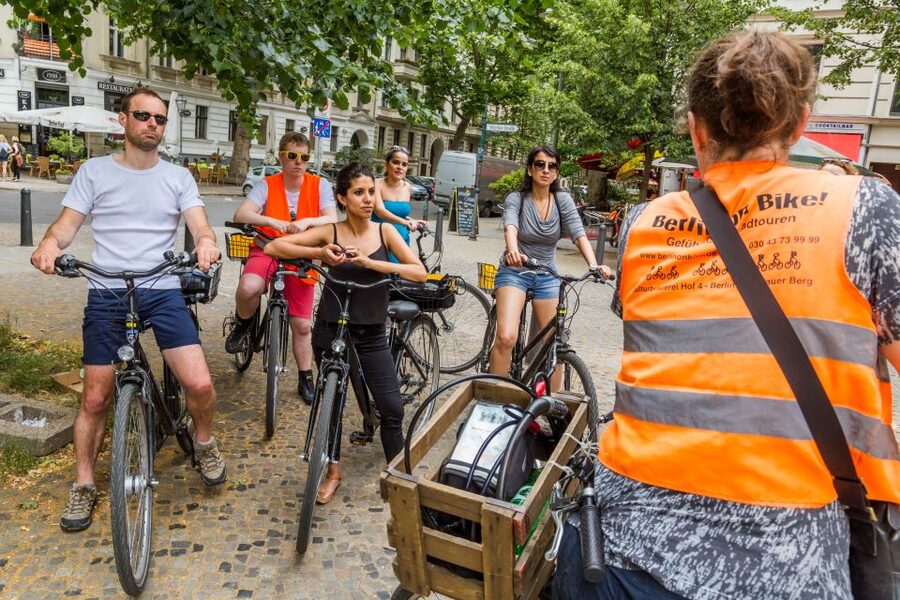
Berlin’s alternative neighborhoods make far more sense from a bicycle seat. This 17-kilometer ride links Prenzlauer Berg, Friedrichshain, and Kreuzberg, showing you East German boulevards, former industrial spaces, parks, street art, and the longest remaining section of the Berlin Wall.
I like the way the tour gets you well beyond the usual central sights, and I like the mix of history and present-day city life. Guides such as Anna, Patricia, Andy, Oli, and Joost have been praised for turning the route into a personal story rather than a dry lecture. The main consideration is traffic: most riding is on bike paths or quiet roads, but some city streets can feel tense if you are not used to urban cycling.
Key points at a glance
- 17 kilometers in a relaxed 3 to 3.5 hours, with time for photos and questions.
- The East Side Gallery and Oberbaumbrücke provide the tour’s strongest Berlin Wall and river views.
- Karl-Marx-Allee, RAW Tempel, Boxhagener Platz, and SO36 show how Berlin changed from divided city to creative center.
- Small groups of up to 15 people make it easier to hear the guide and keep the ride together.
- Comfortable rental bikes include baskets, with helmets and gloves available on request.
- English, Dutch, and German tours are available, with free cancellation up to 24 hours before departure.
Why a Bicycle Works So Well in East Berlin
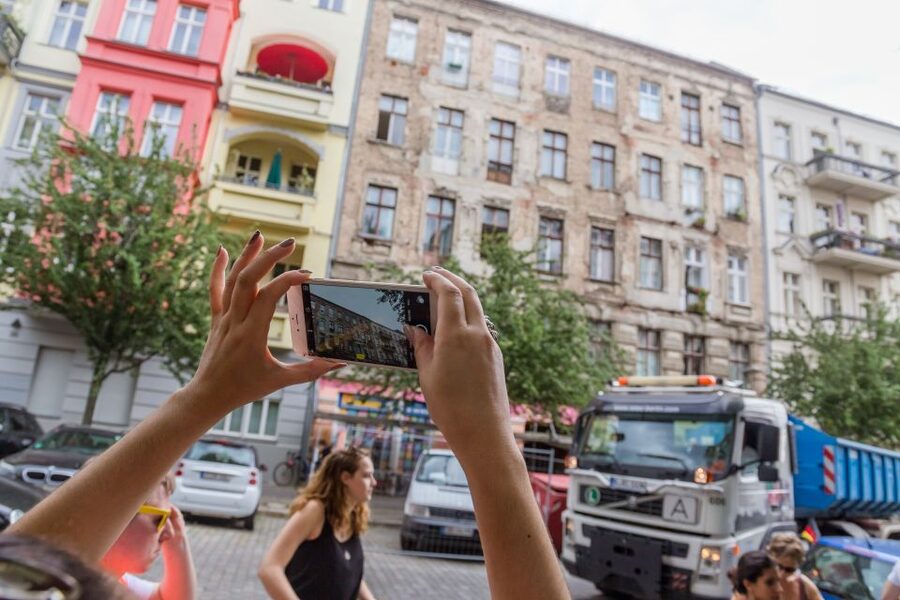
Berlin is spread out. You can walk around one district for hours and still miss the links between them. A bicycle solves that problem. You cover enough ground to see how the neighborhoods change, but you remain close enough to notice courtyards, murals, parks, old buildings, and riverside paths.
This route is not built around grand monuments. Its appeal is the city between the famous sights. You see the physical marks left by the Cold War, then watch those same districts being reshaped by clubs, artists, independent businesses, community spaces, and new residents.
The pace is meant to be easy. You are not racing from stop to stop, and the group pauses for explanations, photographs, and questions. That makes the tour a good first or second activity in Berlin. You get a working map of the city and a better sense of where you might want to return later.
A small group limit of 15 people helps. The guide can keep an eye on the riders, and you are less likely to miss a story while waiting at a traffic light. Several guides, including Anna from Sweden, Patricia, Andy, and Oli, have been singled out for warmth, humor, and strong storytelling.
More bike tours in Berlin:
- Berlin: Sights and Highlights Bike Tour with a Local Guide
★ 4.8 · 2,698 reviews - Berlin Highlights 3-Hour Bike Tour
★ 5.0 · 948 reviews - Berlin City Bike Tour with Beer Garden Stop
★ 5.0 · 917 reviews
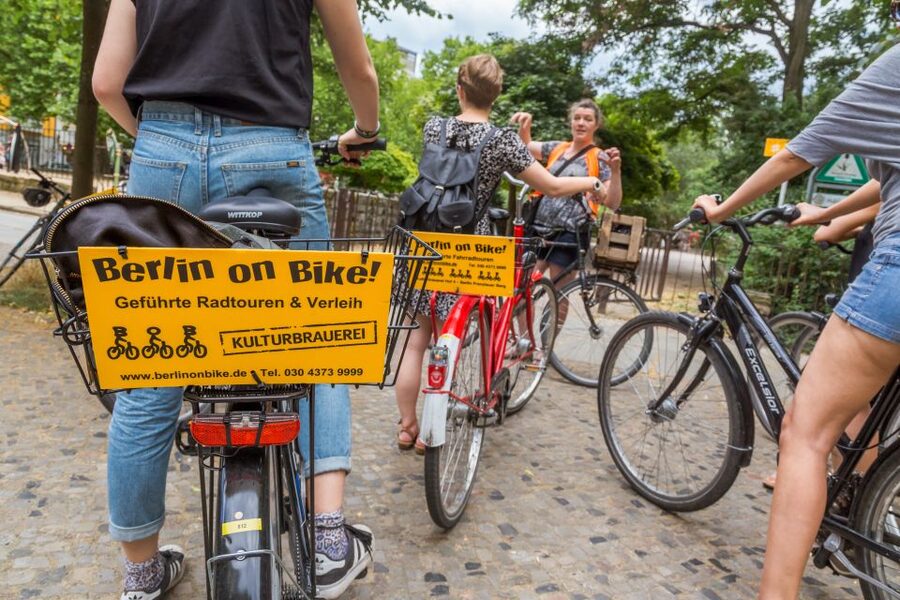
Starting at Kulturbrauerei in Prenzlauer Berg
The ride begins at Kulturbrauerei in Prenzlauer Berg, a useful starting point for a tour about Berlin’s changing identity. From here, the route moves toward Volkspark Friedrichshain rather than heading straight for the city center.
Prenzlauer Berg is associated with cafes, renovated buildings, and a popular residential scene, but the tour uses it as a starting point for a wider story. You begin in one of Berlin’s best-known former East Berlin districts, then ride toward areas where traces of the old division are more obvious.
Volkspark Friedrichshain gives the route some breathing room. Parks matter on a bicycle tour because they let you get off busy streets and reset before the next urban section. You can expect the guide to use these quieter areas for context and short stops rather than treating the entire ride as a continuous lecture.
The rental bikes are intended for city riding and have baskets for small bags. You can choose a bike that fits from the available fleet. Helmets and gloves are offered on request, while sunscreen, trouser clips, and rain ponchos are also available.
Karl-Marx-Allee and the Scale of East Germany
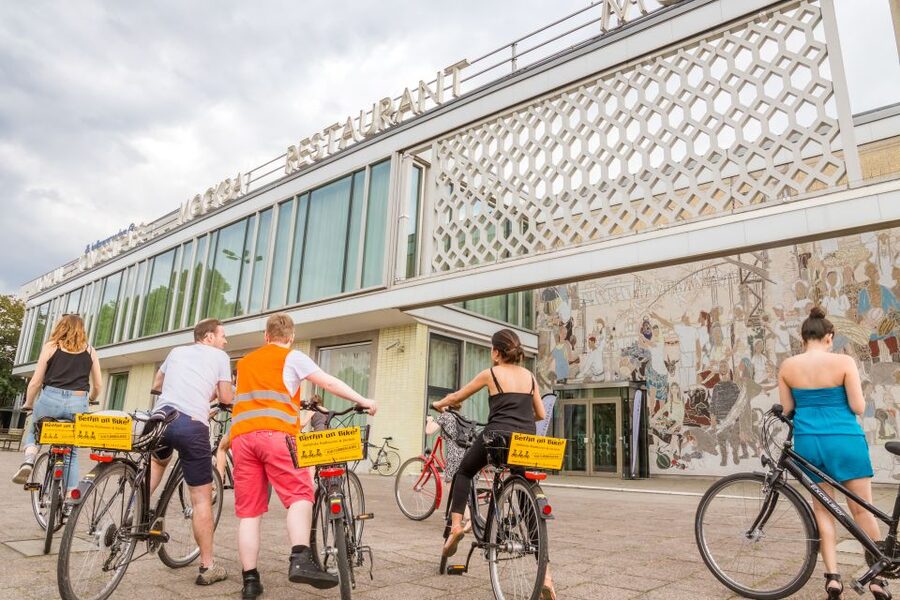
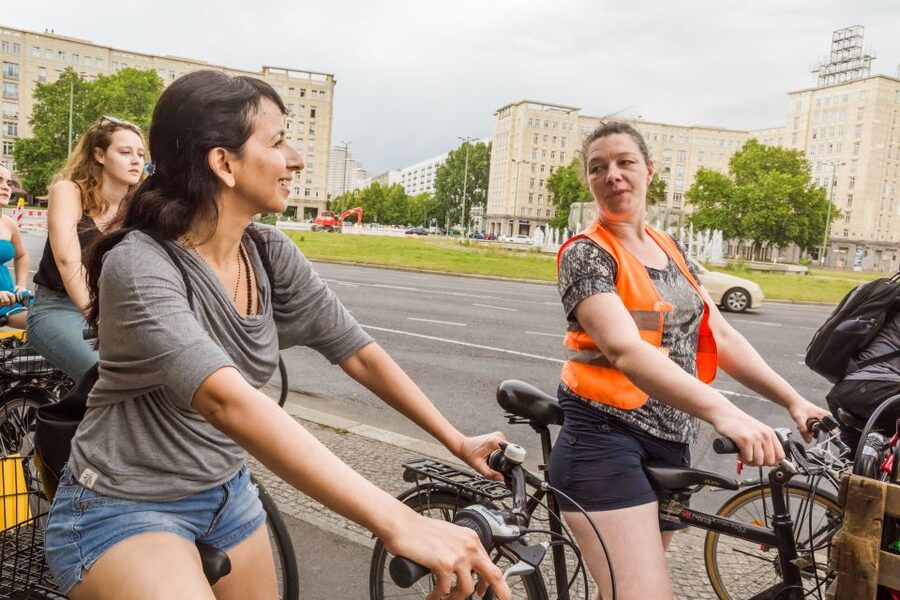
The route continues toward Karl-Marx-Allee, one of the clearest places to understand the grand planning style of East Berlin. The broad boulevard feels very different from the smaller streets and creative spaces encountered later.
This part of the ride gives you a useful visual lesson. Instead of only hearing about East Germany, you see how its government presented power and progress through monumental architecture and wide avenues. The scale can be surprising when reached by bicycle, since you experience the length of the boulevard rather than simply viewing one building from a pavement.
The contrast with nearby neighborhoods is part of the point. Within a short ride, Berlin shifts from planned socialist architecture to smaller streets, nightlife areas, parks, and repurposed industrial sites. The guide’s commentary helps connect those changes to the city’s wider political story.
If you want a tour focused only on famous buildings, this is not the best choice. The emphasis here is on connections between neighborhoods and on how Berlin continues to change.
Boxhagener Platz and RAW Tempel
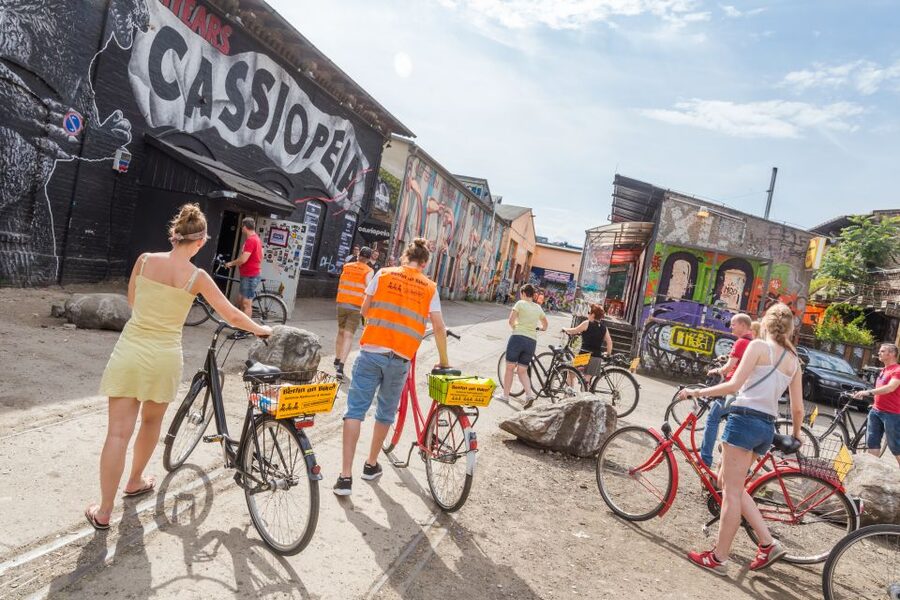
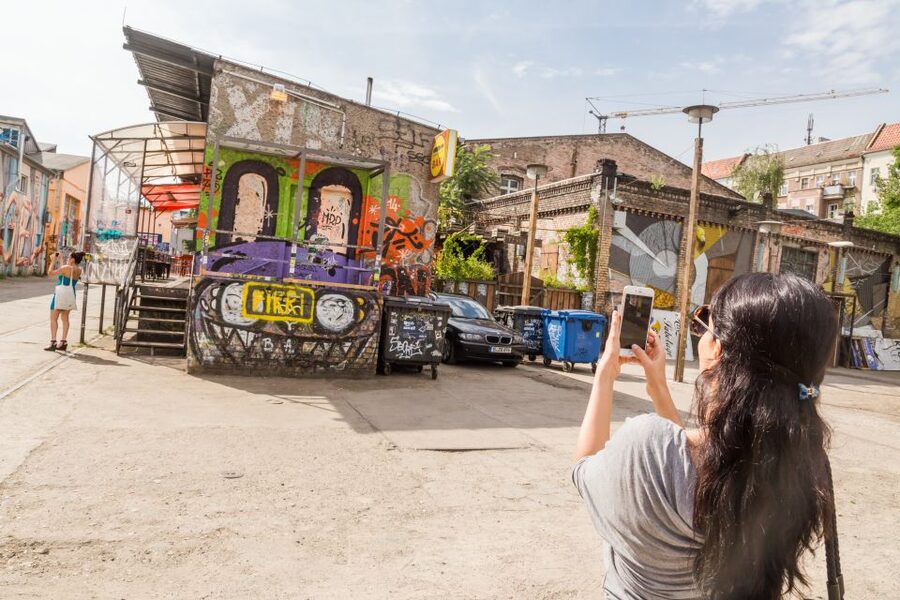
In Friedrichshain, the ride passes around Boxhagener Platz and RAW Tempel. These stops introduce the more informal side of the district, with nightlife, street art, and former industrial spaces.
Boxhagener Platz is a good place to get a feel for Friedrichshain’s social energy. The tour takes place during the day, so you see the neighborhood without the late-night crowds that define some of its reputation. That is useful if you want to understand the area rather than simply visit its bars.
RAW Tempel adds another layer. The former industrial setting has become associated with arts, music, nightlife, and alternative culture. It is one of the places where Berlin’s habit of reusing old spaces becomes easy to see. The route does not present the neighborhood as frozen in some ideal past. Instead, it raises the question of what happens when once-overlooked areas become popular.
That tension between alternative culture and gentrification is one of the tour’s strongest themes. You are not just shown colorful walls and unusual buildings. You get a clearer idea of why these places developed as they did, and why their future is contested.
Another way to spend a morning on two wheels:
- Berlin Highlights: 3-Hour Bike Tour
★ 4.9 · 809 reviews - Berlin Highlights Sightseeing Bike Tour in Small Groups
★ 5.0 · 652 reviews - Berlin: The Wall and Third Reich Guided Bike Tour
★ 4.8 · 578 reviews - Berlin: Guided Bike Tour to Explore the Highlights
★ 4.8 · 506 reviews
The East Side Gallery and Oberbaumbrücke
The East Side Gallery is the tour’s most recognizable stop. It follows the largest remaining section of the Berlin Wall and is covered with murals that turned a symbol of division into an open-air art site.
Cycling beside the wall gives you a better sense of its length than a quick visit by train or on foot. You can stop to look at the painted sections and hear how the wall’s meaning changed after reunification. The art is not a substitute for the political history, but it helps show how Berlin has used public space to process that past.
The guide’s explanation matters here. The wall can become just another photograph if you do not understand what stood on each side and why this particular stretch survived. This is one of the points where a good storyteller can make the city’s past feel close and concrete.
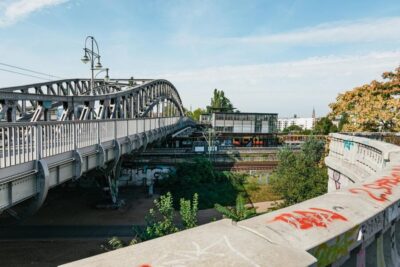
The route then crosses Oberbaumbrücke toward Kreuzberg. The bridge is one of Berlin’s most memorable city views, with the River Spree below and the two districts connected by a striking historic structure. It also marks a shift in mood. Friedrichshain and Kreuzberg are now linked by nightlife and creative culture, but their separate histories remain visible.
You should have time for photographs, but this is still a moving bike tour rather than a long wall-art study. If you want to examine every mural, plan to return on your own.
Along the Spree and Into Kreuzberg
After crossing the bridge, the tour follows sections of the River Spree and moves into Kreuzberg. The river provides a welcome change from city streets. You get open views, calmer riding, and a chance to see how recreational spaces sit beside dense neighborhoods.
The waterfront section is one reason I think the tour offers good value. A standard walking tour might cover one or two of these districts, but the bicycle lets you connect the river, wall, bridge, parks, and side streets in a single outing.
Kreuzberg is not presented as one uniform place. You ride through back courtyards, parks, and streets with strong street-art and alternative-culture scenes. Görlitzer Park is part of this section, giving you another view of everyday local space rather than a formal sightseeing stop.
The guide also points out places tied to music and Berlin’s creative history. One route included a studio where David Bowie recorded an album, and another stop connected with Bowie and Iggy Pop’s time in the area. Exact stops can vary, so you should treat these as possible highlights rather than guaranteed elements of every departure.
SO36 and the Alternative Side of Berlin
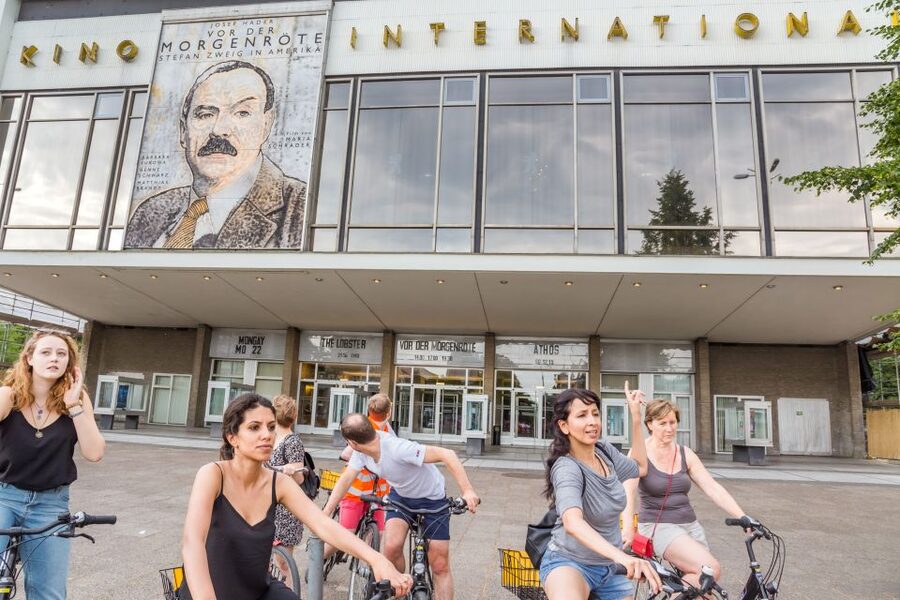
The SO36 district is the tour’s clearest look at Kreuzberg’s alternative identity. It is known for its strong local character, street art, nightlife, and long-running subcultures.
Here, the guide’s personal knowledge makes a difference. Several guides have been praised for sharing stories about the district rather than offering only dates and names. Anna, Patricia, and Andy have been especially appreciated for making the area feel human and approachable.
The tour also addresses the uneasy side of this story. Neighborhoods that once attracted artists, squatters, and people seeking affordable space can later become expensive and fashionable. You may see lively bars, occupied housing, old courtyards, and new development within the same stretch of the ride.
That mix is more useful than a polished portrait of Berlin. You get to see what makes Kreuzberg interesting, but also why its identity is not simple. The route helps you notice the difference between a district’s past reputation and its present-day reality.
One practical tip: the route does not include snacks or drinks. A stop for a beer is not part of the scheduled tour, although guides can offer suggestions for places to eat or drink afterward. Clare, one past participant, found the local recommendations useful, particularly after passing several appealing bars and cafes.
What the Ride Feels Like
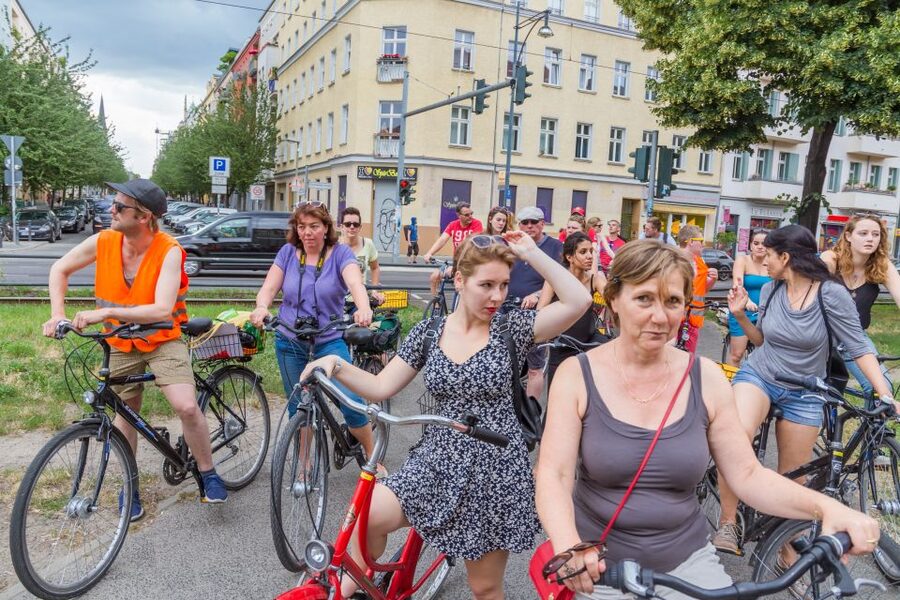
The pace is relaxed, and the tour is designed for riders with ordinary city-cycling ability. You cover 17 kilometers over roughly three to three and a half hours, depending on the departure details and stopping pattern.
Most of the route uses bike paths and quieter roads. Still, Berlin’s cycling infrastructure is not perfect everywhere. Some sections require sharing the road or dealing with traffic, and one rider found a two-gear bicycle harder to manage at times. That is worth considering if you are not comfortable cycling in an urban setting.
The group normally stays together, with the guide controlling the pace and gathering everyone at stops. One past experience specifically praised the guide for looking after less experienced cyclists without making the group feel overly managed.
Comfortable clothing is the only listed requirement. The bikes have baskets for lightweight bags, but you should avoid bringing a large backpack or heavy luggage. Helmets and gloves are available on request. Rain ponchos are provided in bad weather, though a changeable Berlin forecast still calls for sensible clothing.
The Guides Make the Difference
The tour’s strongest feature is its guiding. The route is good, but the experience depends on the person leading it.
Anna has been praised for learning everyone’s names and making families feel included. Patricia is known for energetic storytelling and strong local context. Andy has been appreciated for patience with less experienced cyclists, while Oli was praised for combining humor, history, and a personal view of what makes Berlin distinctive.
The guides speak English, Dutch, or German, depending on the departure. Their styles may differ, but the repeated strength is the same: they explain the city through stories, not just information.
That matters on a route filled with places that can look ordinary at first glance. A courtyard, boulevard, wall section, or industrial building becomes more interesting once you know what changed there and why it still matters.
Who Should Book This Berlin Bike Tour?
I would choose this tour early in a Berlin stay if you want to get your bearings quickly. It introduces several districts in one outing and gives you ideas for later meals, nightlife, museums, and independent exploring.
It suits adults, families with older children, and mixed groups. A family with teenagers aged 14 and 16 enjoyed the route, while another group used it successfully with children aged 9 and 11. The relaxed pace helps, though every rider should be comfortable on a bicycle.
The tour is also a good fit if you have already seen Brandenburg Gate, the Reichstag, and Museum Island. It shows you a less formal side of Berlin and helps explain why Kreuzberg and Friedrichshain feel so different from the historic center.
I would be more cautious if you dislike city cycling, need a very easy step-free sightseeing option, or want long visits at each individual sight. The tour covers a lot of ground, so some stops are brief.
At about $41 per person, the value is strong. You get a bicycle, guide, equipment such as a helmet on request, and three to three and a half hours of local context across several districts. Compared with paying for separate transport between Prenzlauer Berg, Friedrichshain, and Kreuzberg, the price is reasonable, especially if you use the route to plan your own follow-up visits.
Free cancellation up to 24 hours before departure and reserve-now, pay-later booking also reduce the risk when your plans are still shifting. The meeting point can vary by the option selected, so check that detail before setting out.
Should You Book It?
Book this tour if you want Berlin’s history served with street art, river views, parks, music stories, and a little urban grit. I especially recommend it for a first full day in the city, when you want to learn how the neighborhoods fit together.
Skip it if you want a monument-heavy tour or prefer to avoid traffic completely. For most visitors who are comfortable on a bicycle, though, this is a lively and useful way to see the Berlin beyond the postcard sights.
FAQ
How long is the Berlin alternative bike tour?
The activity is described as lasting three hours, or 210 minutes, while the route information describes it as a 3.5-hour tour. You will cover about 17 kilometers at a relaxed pace.
Which neighborhoods does the tour visit?
The route begins in Prenzlauer Berg and continues through Friedrichshain and Kreuzberg. It includes areas around Volkspark Friedrichshain, Karl-Marx-Allee, Boxhagener Platz, RAW Tempel, the East Side Gallery, Oberbaumbrücke, Görlitzer Park, and SO36.
What languages are available?
The tour is offered in English, Dutch, and German.
Is a bicycle provided?
Yes. A rental bicycle is included, and the fleet offers different bikes so you can choose one that fits you best. The bikes have baskets for lightweight bags.
Are helmets and gloves included?
Helmets and gloves are available upon request. Sunscreen, trouser clips, and rain ponchos for bad weather are also provided.
How many people are in each group?
The tour has a maximum of 15 participants, creating a small-group setting.
What happens if I need to cancel?
You can cancel up to 24 hours before the activity for a full refund. A reserve-now, pay-later option is also available.
Latest bike tours added in Berlin
- Small-Group Historical Bike Tour in Berlin★ 4.5 · 103 reviews
- Alternative Berlin Bike Tour – Off the Beaten Tracks in Small Groups★ 5.0 · 99 reviews
- Berlin Wall and Cold War Bike Tour in Small Groups★ 5.0 · 114 reviews
- Potsdam Bike Tour with Rail Transport from Berlin★ 4.5 · 81 reviews
- Berlin: Guided Private Bike Tour to Explore the Highlights★ 5.0 · 12 reviews
- Half-Day Bike Tour of Berlin’s Lesser Known And Historical Sites★ 5.0 · 10 reviews
- Berlin : The best bike tour with a Berlin guide and insider tips★ 5.0 · 14 reviews
- 3-Hour Bike Tour of Tiergarten and Berlin’s Hidden Places★ 5.0 · 26 reviews
Berlin Bike Tours, compared.
Sights and Highlights Bike Tour with a Local Guide
Read our review →
Berlin Highlights Sightseeing Bike Tour in Small Groups
Read our review →
Cold War & Berlin Wall History Guided Bike Tour
Read our review →Browse the lists this tour appears in