
Review · GERMANY BIKE TOURS
Hamburg: Bike Tour of the Speicherstadt & Old Harbor
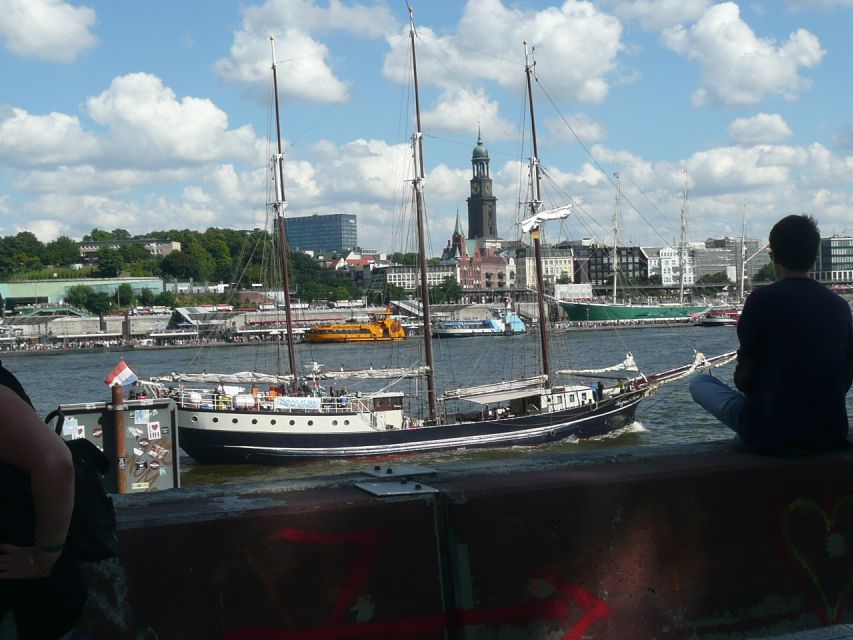
Hamburg’s old harbor makes most sense from a bicycle. You move from the brick warehouses of Speicherstadt to modern HafenCity, then out toward working docks and across the old Elbe Tunnel. I like the strong mix of famous sights and less polished port scenery. I also like the relaxed pace, which leaves room for questions and photos.
The tradeoff is that the route is long and not every stretch is scenic. Some late sections through the harbor area can feel industrial, and one visitor found the explanations too limited and the bicycles merely adequate. Still, the chance to cross the historic tunnel by bike gives this tour a memorable finish.
Key points at a glance
- Three and a half hours on two wheels: The advertised duration is 210 minutes, with a route that covers a large part of Hamburg.
- From Chilehaus to the Elbe Tunnel: You see the city’s brick architecture, warehouse district, port quarters, and a historic river crossing in one outing.
- A working-harbor perspective: Baaken Harbor, Moldau Harbor, Freihafenbrücke, Hafen Museum, and Steinwerder show Hamburg beyond its postcard center.
- A calm pace with time for stops: The guide leads the ride in English or German and allows time for photos and questions.
- A built-in break at Hafen Museum: The pause offers a useful chance to rest, have coffee, and take in the maritime setting.
- Good flexibility for uncertain weather: If rain arrives, an alternative such as a boat ride can be arranged.
Why this route gives you a fuller Hamburg
Many first visits to Hamburg focus on the Rathaus, St. Michael’s Church, the Reeperbahn, and the Landungsbrücken. Those places matter, but this bicycle route shows how Hamburg grew around water, shipping, warehouses, bridges, and rail connections.
You begin outside the Fahrradstation of the University of Hamburg on Schlüterstraße. That starting point is away from the main harbor, so the tour builds gradually. You first get moving through the city before reaching the grand brick buildings and broad port views.
I like that the route is not simply a loop around the most photographed sights. It links central Hamburg with areas that are harder to reach on foot. You see the change from historic commercial architecture to newer development, then to port infrastructure and working docks.
The tour lasts 210 minutes, or about three and a half hours. The supplied details also describe it as a three-hour bicycle tour, so allow at least that much time and expect the actual schedule to vary slightly with traffic, stops, and the pace of the group.
More bike tours in Germany:
- Berlin: Sights and Highlights Bike Tour with a Local Guide
★ 4.8 · 2,698 reviews - Munich 3-Hour Guided Bike Tour
★ 4.5 · 1,731 reviews - Hamburg 3-Hour Bike Tour
★ 4.8 · 1,583 reviews
From Schlüterstraße to Chilehaus
Meet outside the University of Hamburg’s Fahrradstation at Schlüterstraße 11. The tour includes a choice of bicycle, a guide, a map, tour details, and photos through the city. The exact bicycle models are not specified, and one person found the bikes acceptable but not exceptional, so do not book this expecting high-end cycling equipment.
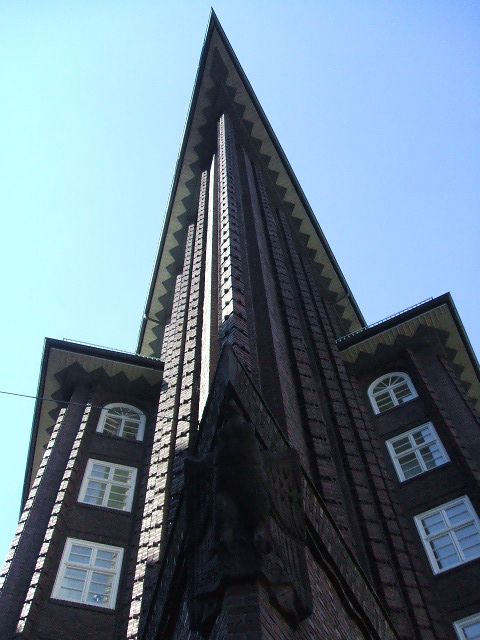
The opening ride takes you toward Chilehaus. This is one of Hamburg’s most distinctive buildings, famous for its sharp, ship-like form and dark brick exterior. The stop works well early in the route because it introduces the brick architecture that later becomes the defining feature of Speicherstadt.
Your guide leads the group and provides information along the way rather than saving all commentary for a single lecture stop. That format keeps the ride moving, though the amount of explanation can depend on the guide. Manfred received particular praise for taking groups through Hamburg with humor and charm. Other guide experiences have also been described as informative and pleasant.
If you want detailed architectural history at every stop, ask questions early. A relaxed city ride gives you a better chance to do that than a large sightseeing bus, but the route still has to keep moving.
Speicherstadt and the brick warehouse district
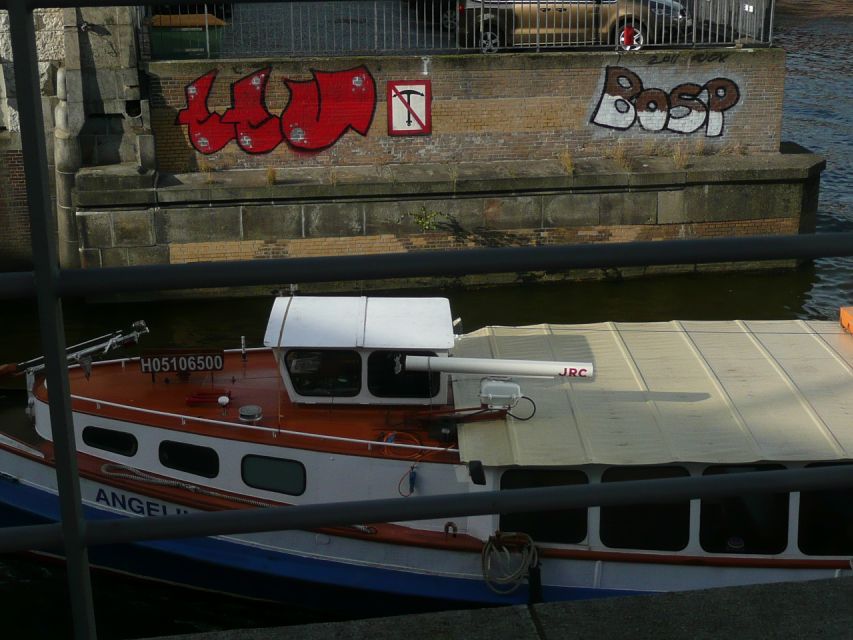
From Chilehaus, the route continues into Speicherstadt. This historic warehouse district is one of the essential stops in Hamburg, and a bicycle gives you a useful sense of its scale. You pass between tall brick facades, waterways, bridges, and narrow streets rather than viewing the district from one short photo stop.
The setting changes quickly here. The heavy brick buildings were built for storage and trade, while the canals and bridges explain how goods once moved through the district. Your guide can connect the architecture with Hamburg’s role as a Hanseatic port and help you see why the area feels different from the newer parts of the city.
You will have time for photos, but this is a guided ride rather than a dedicated architectural photography tour. One person specifically wished for more strategic photo stops, including a better look at the Elbphilharmonie. If that building is a priority, tell the guide early and ask what the route allows.
The bicycle is especially helpful in Speicherstadt because you can cover more ground than on foot. The downside is that you need to pay attention to traffic, turns, pedestrians, and other cyclists. Keep your camera ready, but do not let it distract you from the ride.
HafenCity, Greenpeace, and Baaken Harbor
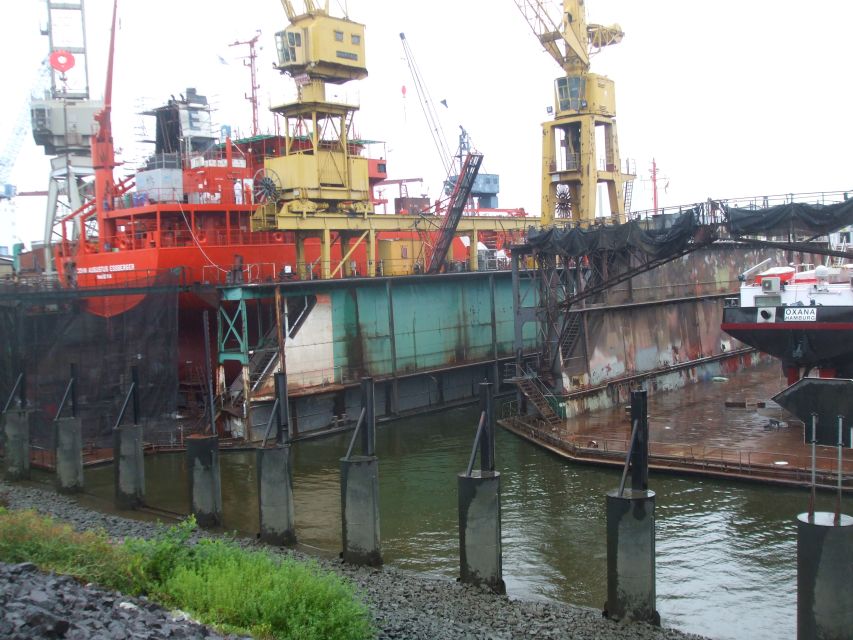
The route then moves into HafenCity, Hamburg’s large modern quarter beside the old port. This is where the contrast becomes most apparent. Speicherstadt gives you historic warehouse brick, while HafenCity introduces newer buildings, open spaces, and major port redevelopment.
You pass the German Greenpeace Center before continuing over Baakenbrücke into Baaken Harbor. The bridge and harbor sections make this a good route for seeing how Hamburg has continued to expand around the water.
The tour does not promise a special Elbphilharmonie stop, and the stated route is more focused on the port system than on landmark architecture. You should book this ride for its broad view of Hamburg’s waterfront, not as a substitute for a dedicated HafenCity architecture walk.
That distinction matters. If you want to stop often for polished skyline photographs, you might find the pace a little quick. If you want to understand how the old warehouses connect with new port development, the sequence makes sense.
Another way to spend a morning on two wheels:
- Classic Mike’s Bike Tour daily @ 11.30 incl Beer Garden & Surfers
★ 5.0 · 1,246 reviews - Berlin Highlights 3-Hour Bike Tour
★ 5.0 · 948 reviews - Berlin City Bike Tour with Beer Garden Stop
★ 5.0 · 917 reviews - Cologne: 3-Hour Guided Bike Tour
★ 4.8 · 878 reviews
Bridges, cranes, and the working port
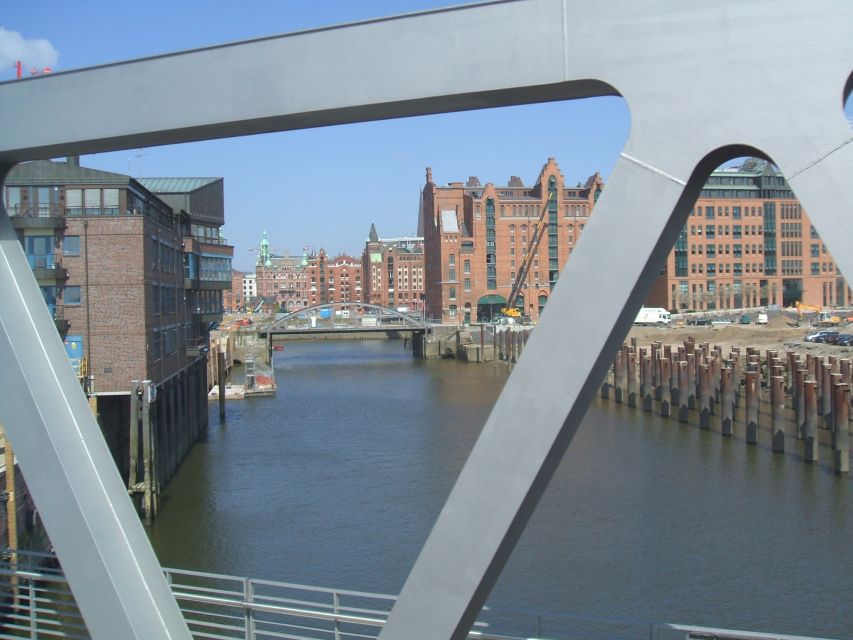
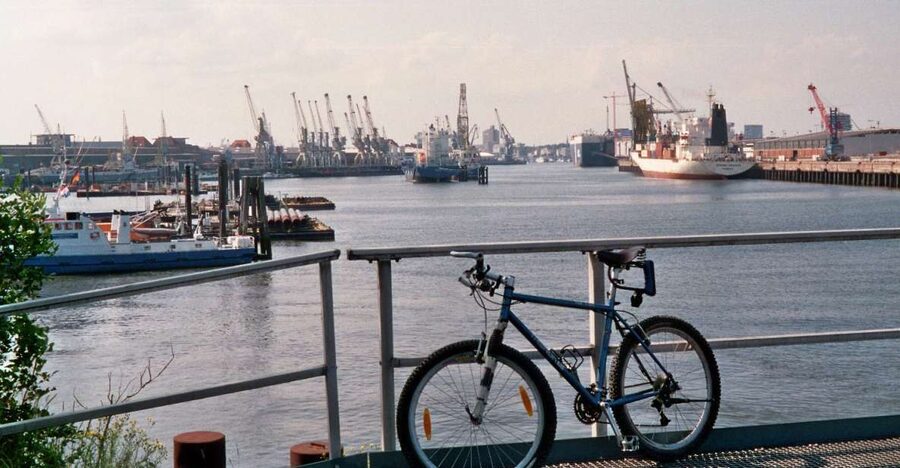
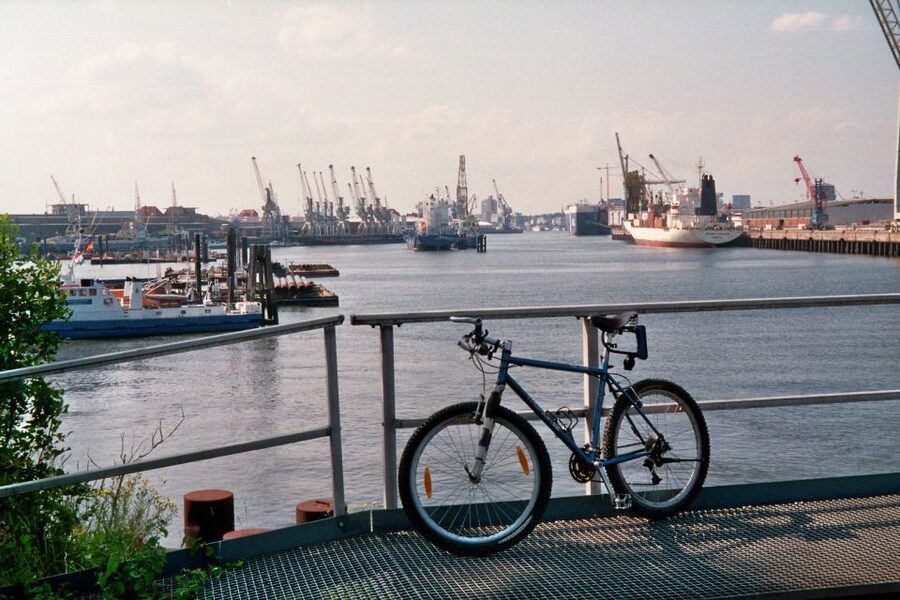
After Baaken Harbor, you get farther from the central sightseeing zone. The route offers views toward Freihafenbrücke and continues along Moldau Harbor to the Hafen Museum. Historic cranes, dock equipment, bridges, and shipping infrastructure become the main attractions.
This is one of the strongest parts of the outing for anyone who likes working ports. You are not just looking at a waterfront promenade. You get a sense of the machinery and transportation links that made Hamburg a major trading city.
The port sections also require realistic expectations. Some stretches near the docks are more functional than beautiful. One person found the final harbor portions less interesting than the earlier city neighborhoods. That is fair. The reward here is context and scale, not a constant series of postcard views.
The panoramic sightlines toward the port bridges can be excellent, especially when you want to understand how the Elbe, harbor basins, roads, and rail connections fit together. Bring a phone or camera, but remember that this is still a moving bicycle tour, not a stationary viewing platform.
The Hafen Museum pause
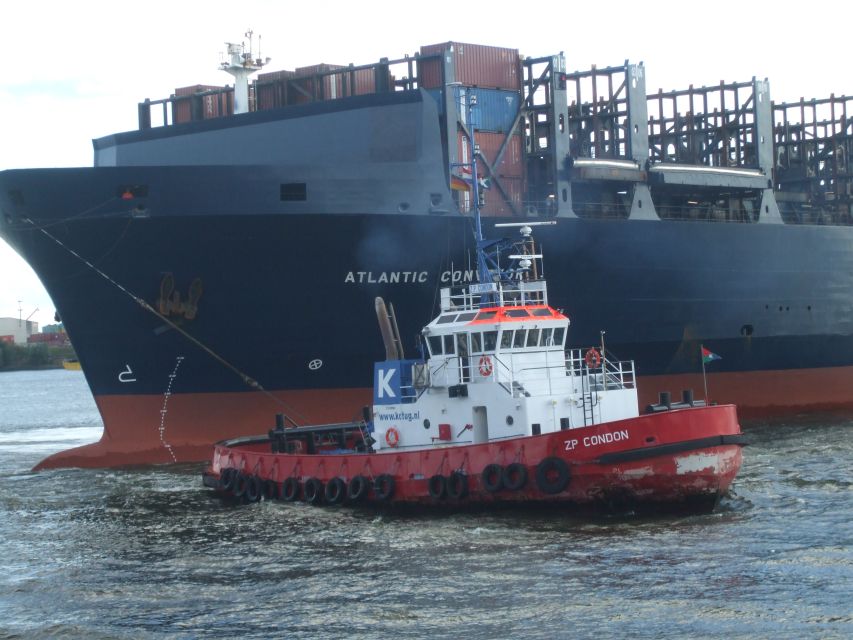
The route includes a pause at the Hafen Museum. The break is useful for more than rest. It gives you time to absorb the maritime setting, ask your guide about what you have seen, and have a coffee before the ride continues.
The supplied details describe a coffee break, but they do not specify a full meal stop. Plan accordingly. If a fish sandwich is high on your Hamburg food list, do not assume the scheduled pause will provide one. One person thought a waterside break with the chance to buy a traditional Fischbrötchen would have been better.
That is a helpful distinction: this is a sightseeing pause, not a food tour. You may want to eat beforehand or carry a small snack, especially since the route lasts several hours.
Argentinienbrücke and Steinwerder
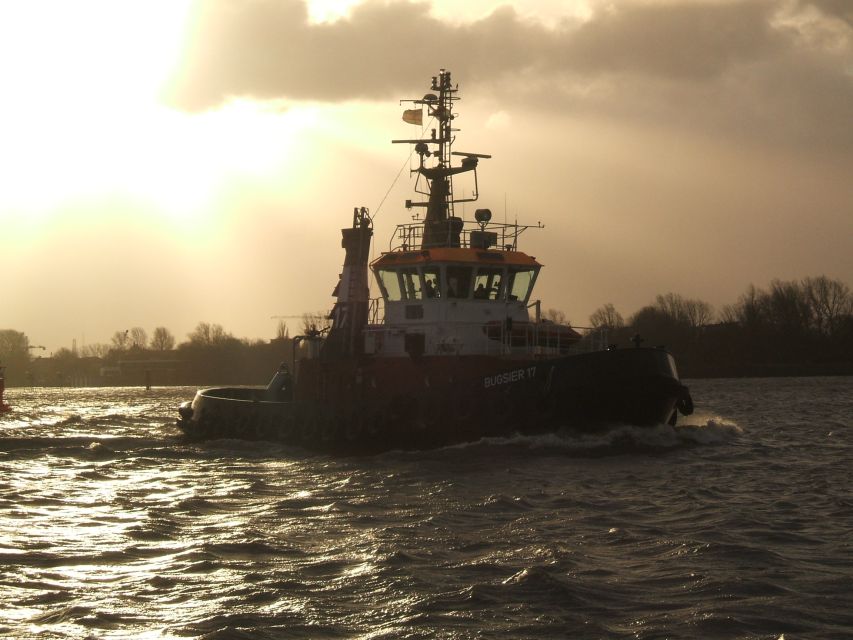
After the Hafen Museum, the route continues over Argentinienbrücke and into Steinwerder. This part gives you a different view of Hamburg because you are now across the Elbe and closer to the port’s working side.
Steinwerder is not presented as a collection of classic central-city sights. Its value comes from the setting: harbor infrastructure, broad views, bridges, and the feeling of being away from the usual tourist circuit.
This is also where the ride may feel least glamorous. You can expect some longer functional stretches, and the interest comes from the scale of the port rather than constant attractions. I would be happy to trade a few ordinary dock roads for the chance to see how much of Hamburg’s identity is tied to shipping, but not every rider will feel the same.
The guide’s handling of the group matters here. A slow, steady pace helps, particularly when the route crosses traffic lights and busy junctions. One person reported being separated from the guide twice at traffic signals, while another praised the guide’s flexibility after a puncture. Those details suggest that guide quality and group management can shape the day.
Crossing the old Elbe Tunnel
The old Elbe Tunnel is the tour’s clearest signature moment. You ride through the historic tunnel beneath the river, then return toward St. Pauli and the starting point.
The tunnel is more than a convenient way back. It is a piece of Hamburg transport history and a memorable change of scene after the open harbor roads. The transition from Steinwerder to the tunnel, then back toward the city, gives the route a satisfying shape.
This crossing also explains why the tour is better suited to confident city cyclists than to anyone looking for a purely passive sightseeing outing. You are using the city’s streets, bridges, and tunnel as part of the experience. Stay alert, follow the guide, and expect the ride to feel like real urban cycling rather than a protected park path.
Once through the tunnel, the route heads back via St. Pauli and the St. Pauli Piers. You get a final look at Hamburg’s famous waterfront before returning to Schlüterstraße 11.
How much information should you expect?
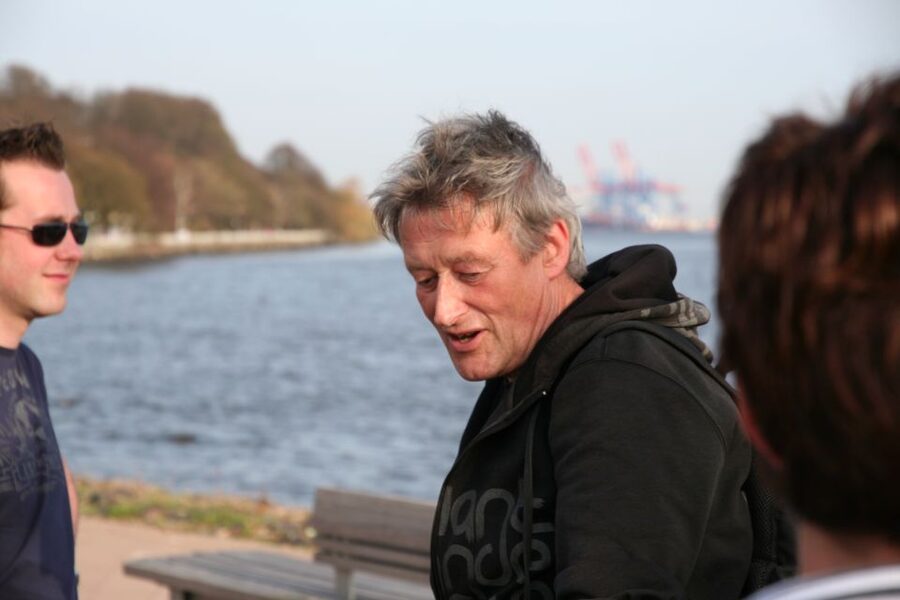
The strongest guide feedback centers on useful local information, an easygoing manner, and time for questions. Manfred is singled out for an entertaining style, while other guide comments describe the ride as well organized and packed with information about less familiar parts of Hamburg.
Still, the commentary may not be equally detailed on every departure. One person found there were too few explanations and wanted more carefully planned photo stops. I would treat this as a reason to take an active role: ask about the buildings, port equipment, bridges, and neighborhoods as you go.
The tour is offered in English and German. If you want the fullest possible explanation, confirm your preferred language when booking. The activity details identify live guides in both languages but do not promise that every departure will be bilingual.
Price, pace, and overall value
At $40 per person, this is a fair price for a 210-minute guided ride that includes a bicycle, guide, map, tour details, photo coverage, and a break at Hafen Museum. The value comes from the distance covered and the range of districts connected in one outing.
You would spend much more effort planning this route yourself. Speicherstadt, HafenCity, Baaken Harbor, the port, Steinwerder, the old Elbe Tunnel, and St. Pauli do not form an obvious self-guided loop. The guide also handles the route, allowing you to focus on the city.
The price is less compelling if you mainly want a short ride around central landmarks. You could spend three and a half hours walking through fewer areas at a slower pace. This tour earns its cost when you want coverage, local context, and the chance to see Hamburg from the saddle.
The free cancellation policy allows a full refund up to 24 hours before departure, and you can reserve without paying immediately. In rainy weather, an alternative such as a boat ride can be arranged. That makes the booking less risky, though you should check the starting time and weather plan before setting out.
Who should book this bicycle tour?
I would choose this for an active first or second day in Hamburg, especially if you want a broad introduction before exploring individual neighborhoods on foot.
It suits you best if you:
- Like port cities, bridges, warehouses, cranes, and transportation history.
- Are comfortable cycling through an urban setting.
- Want to see both the famous central districts and less polished harbor areas.
- Prefer a guide who can add local context and answer questions.
- Have enough time for a long outing rather than a quick one-hour ride.
I would think twice if you want constant landmark stops, a food-focused experience, or premium bicycles. The route includes ordinary industrial stretches, and the information level may vary by guide. Riders who need frequent stops or dislike city traffic may prefer a walking tour or harbor boat instead.
FAQ
Where does the bicycle tour begin and end?
The tour begins and returns to Schlüterstraße 11, outside the Fahrradstation of the University of Hamburg.
How long does the tour last?
The stated duration is 210 minutes, or about three and a half hours. It is also described as a three-hour bicycle tour.
What languages are available?
The live tour guide is available in English or German.
Is a bicycle included?
Yes. The tour includes a choice of bicycle.
What places does the route visit?
The route includes Chilehaus, Speicherstadt, HafenCity, Baaken Harbor, Elbbrücken, Hamburg Port, Steinwerder, the old Elbe Tunnel, and the St. Pauli Piers.
Is there a break during the tour?
Yes. The route includes a pause at Hafen Museum, described as a place for a coffee break.
What happens if it rains?
An alternative program, such as a boat ride, can be arranged in the event of rain.
Can I cancel the booking?
You can cancel up to 24 hours in advance for a full refund. You can also reserve now and pay later.
Should you book it?
Book this tour if you want Hamburg’s harbor as a connected story rather than a set of separate sights. The route gives you Speicherstadt’s brick warehouses, HafenCity’s modern development, working docks, port machinery, Steinwerder, and the old Elbe Tunnel in one substantial ride.
I especially like the tunnel crossing, the wide port views, and the chance to move beyond the usual center. Go in knowing that some harbor stretches are plain, the bikes are functional rather than luxurious, and the guide’s level of detail can vary. For a reasonable $40, this is a strong choice for active visitors who want to understand how Hamburg’s city and port fit together.
Latest bike tours added in Germany
- Small-Group Historical Bike Tour in Berlin★ 4.5 · 103 reviews
- Alternative Berlin Bike Tour – Off the Beaten Tracks in Small Groups★ 5.0 · 99 reviews
- Berlin Wall and Cold War Bike Tour in Small Groups★ 5.0 · 114 reviews
- Potsdam Bike Tour with Rail Transport from Berlin★ 4.5 · 81 reviews
- Berlin: Guided Private Bike Tour to Explore the Highlights★ 5.0 · 12 reviews
- Half-Day Bike Tour of Berlin’s Lesser Known And Historical Sites★ 5.0 · 10 reviews
- 3-Hour Bike Tour of Tiergarten and Berlin’s Hidden Places★ 5.0 · 26 reviews
- Berlin : Guided Private Sightseeing Tours with Funbikes, Teambikes★ 5.0 · 20 reviews
Germany Bike Tours, compared.
Sights and Highlights Bike Tour with a Local Guide
Read our review →
Classic Mike’s Bike Tour daily @ 11.30 incl Beer Garden & Surfers
Read our review →
Browse the lists this tour appears in