
Review · E-BIKE TOURS
Rome: Appian Way and Roman Countryside Electric Bike Tour
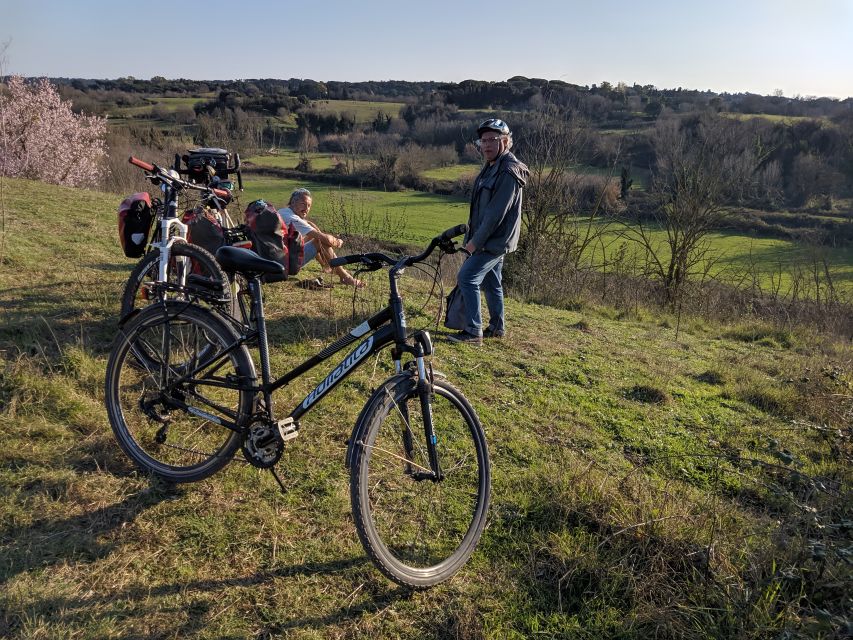
The best thing about this tour is the change of pace. In a few hours, you leave Rome’s traffic behind and pedal along the Appian Way, an ancient military road lined with tombs, ruins, and open countryside. You get a side of Rome that a Colosseum and Vatican itinerary cannot provide.
I like the easy reach of the e-bikes, especially on old paving and country roads, and I like the mix of archaeology and nature. Guides such as Libero and Emiliano have been praised for warm, personal storytelling in several languages. The main caution is bike maintenance: one rider lost electric assistance halfway through, and another had a battery problem. Also, the catacombs may be viewed from outside rather than visited.
Key points at a glance
- Ride the Regina Viarum: Follow the Appian Way, built in the 4th century BC and once used to move Roman military supplies.
- See more than ruins: The route includes mausoleums, statues, imperial remains, Christian catacombs, aqueducts, and a working farm.
- Escape central Rome: Caffarella Park and the Roman countryside offer open space and a much calmer setting than the city center.
- Use electric assistance wisely: The bikes make hills and rough paving easier, but battery condition can affect the experience.
- Allow four hours: One rider estimated roughly 20 miles of riding, so this is an active outing, not a short sightseeing spin.
- Expect a guide-led experience: English, French, Italian, and Spanish tours are available, with guides including Libero and Emiliano.
Why the Appian Way feels different from central Rome
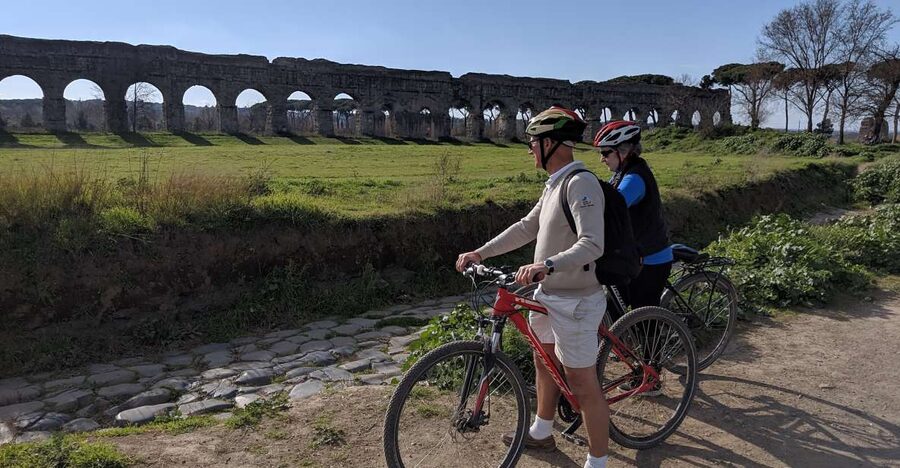
Rome is famous for crowded squares, grand churches, and monumental ruins packed close together. The Appian Way gives you something else: distance, silence, and a sense of how Rome once reached far beyond its walls.
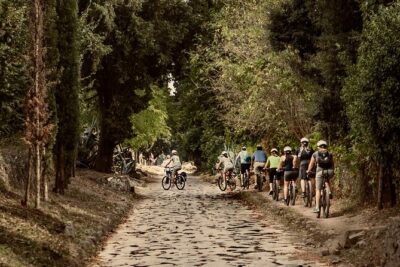
This road was built in the 4th century BC and became one of Rome’s most important routes. It carried military supplies and linked Rome with the southern parts of Italy. The Romans called it the Regina Viarum, or Queen of Roads, a fitting name for a route that helped tie the ancient republic and empire together.
You ride over sections that still retain much of their original paving. That is exciting, but it also affects comfort. The stones are uneven, so the e-bike matters. You will want to keep a steady pace and let the bike absorb some of the bumps rather than rushing over them.
The road also became a place for prominent families to build tombs and mausoleums. In Roman times, burial sites were generally placed outside the city walls, and the Appian Way offered a very public display of status. As you ride, the monuments help explain how political power, military movement, and religion occupied the same stretch of road.
More E-Bike Tours in Italy
- Rome EBike Tour: Appian Way, Catacombs & Roman Aqueducts
★ 5.0 · 1,766 reviews - Rome: Top Highlights & Hidden Gems Tour by Cannondale E-Bike
★ 4.9 · 1,760 reviews - Rome: Appian Way & Aqueducts E-Bike Tour (Catacombs & Food)
★ 4.9 · 1,498 reviews
Starting at Via di San Calisto
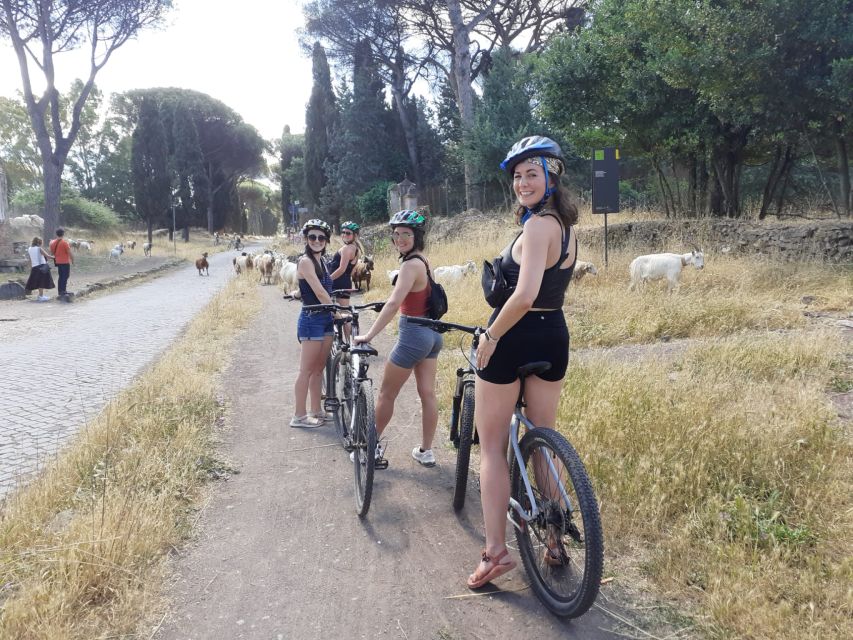
The tour begins at Via di S. Calisto, 9, with a suggested arrival 15 minutes before departure. This gives you time to check in, receive your helmet, and get comfortable with the e-bike before setting off.
Hotel pickup and drop-off are not included, so you need to make your own way to the meeting point. Food and drinks are also not included. For a four-hour ride, bring water and plan around the start time rather than expecting a meal stop to be built into the route.
The ride is guided, with English, French, Italian, and Spanish available. Guides named Libero and Emiliano have received especially warm praise for friendly pacing, clear explanations, and attention to comfort. One couple even found themselves riding as only two people with Libero, though group size can vary by departure.
Your guide is important here. The Appian Way is not just a sequence of old stones. Without explanation, you might pass a tomb or aqueduct and see only a ruin. With context, the road becomes a record of Roman engineering, family ambition, military planning, and religious change.
Riding Rome’s first great road
Once on the Appian Way, the route shifts from ordinary city sightseeing to a long outdoor ride through archaeological country. You will pass ancient Roman ruins, statues, tombs, and mausoleums, with the road itself providing the main story.
The e-bike is a practical choice. It helps on inclines and makes a long route more manageable, particularly over cobbles. One rider described covering about 20 miles, which gives you a useful idea of the outing’s physical scale. The official duration is four hours, so you should expect regular riding rather than a stop every few minutes.
That distance is also part of the appeal. You are not simply being driven between famous monuments. You see how the city gradually gives way to fields, parks, and scattered archaeological remains. The countryside inspired 19th-century writers such as Byron, Goethe, and Stendhal, and it is easy to understand why the area appealed to visitors looking for a more reflective side of Rome.
Still, do not treat this as a casual city bike rental. You need to be able to ride a bicycle for several hours. The tour is not suitable for people who cannot ride, and comfortable athletic clothing and shoes are a sensible choice. A rider from the United States specifically recommended bike shorts and practical sportswear after a roughly 20-mile outing.
Tombs, mausoleums, and the Roman way of remembering
The Appian Way’s tombs are among its most memorable features. Roman families placed burial monuments along major roads so that the dead remained visible to people passing by. These structures were not hidden away. They announced family identity and social standing to anyone traveling the route.
Your guide will point out the main monuments and explain how the road worked as more than a transport route. It was a public stage for power. Military movement, political authority, family reputation, and religious practice all met here.
The route includes pagan mausoleums as well as Christian sites. That combination helps you understand how Rome changed over time. The stones remained, but the beliefs and communities connected to them shifted.
You should expect the focus to be on outdoor viewing and explanation. The supplied information describes the catacombs of Saint Callixtus and Saint Sebastian as part of the route, but one rider specifically found that the group passed the catacombs without entering. If going underground is essential to your plans, confirm the exact visit before booking. The tour still gives you useful context, but seeing an entrance is not the same as touring the tunnels.
More E-Bike Tours in Rome
- Rome: Appian Way, Catacombs, & Roman Aqueducts E-bike Tour
★ 4.9 · 1,421 reviews - Rome City Small Group Bike Tour with quality Cannondale EBike
★ 5.0 · 1,380 reviews - Rome by Night – Ebike Small Group Tour – Food and Wine (Option)
★ 5.0 · 1,275 reviews - Rome by Night: E-bike Small Group Tour -Food & Wine (Option)
★ 4.9 · 1,233 reviews
Imperial remains and the connection between power and faith
The Appian Way route also brings you near an imperial palace and other ancient remains. These sites help broaden the story beyond tombs. The road was linked to the highest levels of Roman government, while the nearby burial grounds and catacombs show how ordinary religious life developed alongside imperial authority.
This is one of the tour’s strongest features for anyone who wants a connected story rather than a list of isolated sights. Your guide can show how the road was conceived as a link between political, military, and religious power.
The experience is not presented as a formal museum visit. You will spend much of the time outdoors, moving between sites by bicycle. That means the tour works best if you enjoy learning while in motion. If you prefer long indoor explanations, climate control, and a fixed seat, a conventional guided attraction may suit you better.
Aqueducts Park and the scale of Roman engineering
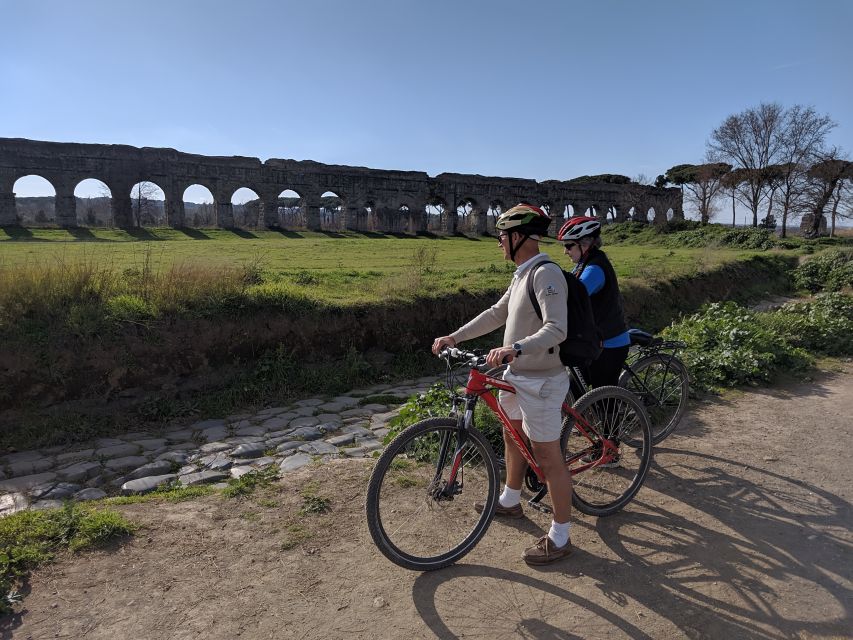
A major part of the route is the Aqueducts Park, known for preserving two Roman aqueducts in excellent condition. The structures are a reminder that Roman engineering was not limited to roads, baths, and arenas. Moving water across long distances required planning, precise construction, and constant maintenance.
The park also gives you room to appreciate the size of the ancient system. In central Rome, ruins are often surrounded by buildings and traffic. Here, the aqueducts can be understood across open space, where their long lines and height are easier to see.
This stop adds variety to the outing. You move from low stone tombs and paved road sections to towering infrastructure crossing the countryside. It also gives your guide another way to explain how Rome supported a large urban population.
The park is not a separate long walking tour. It forms part of the bicycle route, so expect a sightseeing stop within a larger ride. Bring your camera, but keep your attention on the guide and the path as well. The day involves changing surfaces, and you will want both hands available when riding.
Caffarella Park on the way back
The return route passes through Caffarella Park, a large open area with archaeological sites, a working farm, and notable ecological value. This final section softens the historical focus with a look at the countryside that still exists beside modern Rome.
I like this part because it prevents the experience from becoming a nonstop parade of ruins. You see archaeological remains, but you also see land used for farming and open green space. The contrast helps you understand that Rome’s past is not confined to monuments behind ticket barriers.
Caffarella also provides a calmer finish to the tour. After riding over the Appian Way and viewing aqueducts, the park offers a more relaxed setting for the final stretch. The exact balance between riding and stopping depends on the guide and group, but the route is designed to return to Via di S. Calisto, 9 after about four hours.
Do not expect a wilderness trip. This is still an archaeological excursion close to Rome, with a clear historical purpose. Its value is the way it combines countryside, farming, ancient structures, and a working city nearby.
How much effort does the e-bike tour require?
The electric assistance makes this route accessible to many people who might find a regular bicycle tiring. It is especially useful on hills and uneven paving. You still need to pedal, steer, and stay alert, though. The bike removes much of the strain, not the need for cycling ability.
Wear comfortable riding clothes and athletic shoes. Shorts and tank tops are acceptable because the tour does not include a place with a stated requirement for covered shoulders or long trousers. A passport or ID card, or a copy, is listed as something to bring.
The main practical concern is equipment reliability. One rider reported losing electric support during the ride, while another experienced a battery issue that was solved when the guide provided a different bike. These incidents do not define every departure, but they are worth considering when comparing the price with a self-guided rental.
If your battery weakens, the guide’s response matters. The experience has included guides who adjusted the situation helpfully, but there was also a report of the office being closed on return and no compensation being arranged. I would check the bike before leaving and ask how support works if the electric system fails.
Is $88 a fair price?
At $88 per person, this is not the cheapest way to see the Appian Way. You are paying for the e-bike, helmet, guide, route planning, and the ability to cover a large area in four hours without arranging transport between scattered sites.
The price makes more sense if you value a personal explanation of the road and want to combine several areas in one outing. On foot, the Appian Way, Aqueducts Park, and Caffarella Park would be difficult to connect in one half-day. A regular bicycle may cost less, but it would demand more effort, especially on hills and old paving.
The value is weaker if you mainly want to enter the catacombs. The route includes the catacombs in its historical story, but an entrance visit is not guaranteed based on the information available. If underground access is your priority, compare this with a dedicated catacomb tour.
The small-group feel can also affect the value. Some departures have been intimate, including one with only two people, while others may have more riders. A personal guide makes a long ride much more enjoyable, particularly when the guide adjusts the pace and stops for questions.
Who will enjoy this ride most?
I would recommend the tour to you if you have already seen some of central Rome and want a different half-day. It is also a good choice for visitors who like archaeology but do not want to spend every day indoors.
You will likely enjoy it if you:
- Can ride a bicycle comfortably for several hours
- Like learning through conversation while moving between sites
- Want Roman ruins with countryside and park scenery
- Appreciate a guide who can explain connections between monuments
- Have comfortable clothing and shoes for a long ride
I would hesitate if you cannot cycle, dislike uneven surfaces, or want a tightly controlled schedule with guaranteed interior visits. You should also think carefully if a bike battery problem would spoil your day. The equipment concern appears occasional, but it is specific enough to deserve attention.
The tour is suitable for adults and active families only when everyone can ride confidently. The supplied information does not give an age minimum, route difficulty rating, or accessibility details beyond the requirement that participants be able to ride a bicycle.
Booking advice for the Appian Way
You can cancel up to 24 hours before the activity for a full refund, and the reserve-now, pay-later option keeps your plans flexible. Starting times vary, so check availability when choosing a date.
I would book this for a morning or afternoon when you can give the full four hours to the ride. Arrive 15 minutes early, bring water, and ask about the e-bike battery before setting off. If you want to enter the catacombs, ask directly whether that departure includes an interior visit.
Should you book this tour?
Book it if you want to see Rome through its roads, tombs, aqueducts, and countryside rather than only its headline monuments. The Appian Way is the star, but the Aqueducts Park and Caffarella Park make the experience feel wider and more complete.
At $88, it offers solid value for a guided four-hour ride covering places that are awkward to link independently. I would not book it solely for a guaranteed catacomb visit, and I would keep the bike maintenance reports in mind. For a confident cyclist seeking a quieter, more archaeological side of Rome, this is one of the better ways to spend half a day outside the city center.
FAQ
How long is the Appian Way e-bike tour?
The tour lasts four hours, including the ride along the Appian Way, stops at archaeological sites, the Aqueducts Park, and the return through Caffarella Park.
Where does the tour begin and end?
It begins and ends at Via di S. Calisto, 9.
What languages are available?
The live guide is available in English, French, Italian, and Spanish.
Are e-bikes and helmets included?
Yes. The e-bike and helmet are included in the tour price.
Is hotel pickup included?
No. Hotel pickup and drop-off are not included, so you need to reach the meeting point yourself.
Can people who cannot ride a bike join?
No. The tour is not suitable for people who cannot ride a bicycle.
Are the catacombs visited inside?
An interior catacomb visit is not guaranteed. The route includes the catacombs of Saint Callixtus and Saint Sebastian, but the group may only pass by them, so confirm before booking if entry is important to you.
What should I bring?
Bring a passport or ID card, with a copy accepted. Comfortable riding clothes and athletic shoes are also sensible for the long ride.
Can I cancel the tour?
Yes. You can cancel up to 24 hours in advance for a full refund. You can also reserve now and pay later.
More Countryside Bike Tours in Rome
- Cai Be Mekong Delta Tour: Cooking Class, Cycling & Craft Villages
★ 5.0 · 1,881 reviews - Countryside Bike Tour from Amsterdam: Cheese, Clogs & a Windmill
★ 5.0 · 1,485 reviews - Amsterdam: Windmill, Cheese, and Countryside E-Bike Tour
★ 4.5 · 1,308 reviews - Siem Reap Countryside Bike Tour / E-Bike or Tuk Tuk
★ 5.0 · 935 reviews
Latest bike tours added in Rome
- Rome: Guided eBike Evening Tour with italian Aperitif★ 5.0 · 16 reviews
- Rome: Villa Borghese E-Bike Tour (Small Group or Private)★ 4.9 · 92 reviews
- Rome: Appian Way, Aqueducts, & Catacombs E-Bike Guided Tour★ 4.9 · 54 reviews
- Rome: Top 10 Highlights Guided Tour by Bike or E-Bike★ 4.4 · 15 reviews
- Rome: Villa Borghese, Villa Ada, and Coppedè E-Bike Tour★ 4.8 · 78 reviews
- Rome: Piazza Venezia E-Bike Rental★ 4.4 · 10 reviews
- Sunrise in Rome: Small Group E-Bike Tour & Italian breakfast★ 4.9 · 177 reviews
- Rome: Taste of Rome by quality Cannondale E-Bike★ 5.0 · 12 reviews
E-Bike Tours, compared.
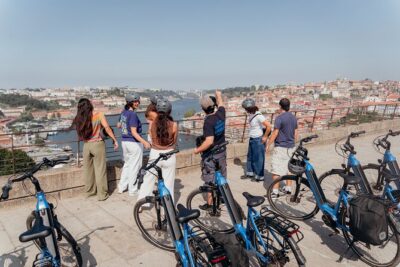
3-Hour Porto Highlights on a Electric Bike Guided Tour
Read our review →
Hills, Alfama, and Mouraria Tour by Electric Bike
Read our review →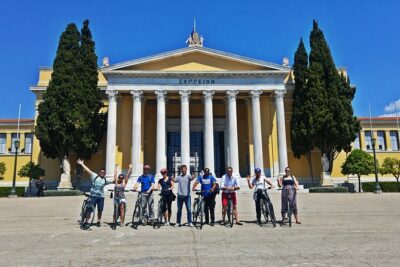
Athens Scenic Electric Bike Tour with optional Acropolis visit
Read our review →
City Highlights 3-Hour Guided Electric Bike Tour
Read our review →
Rome EBike Tour: Appian Way, Catacombs & Roman Aqueducts
Read our review →
Top Highlights & Hidden Gems Tour by Cannondale E-Bike
Read our review →Browse the lists this tour appears in