
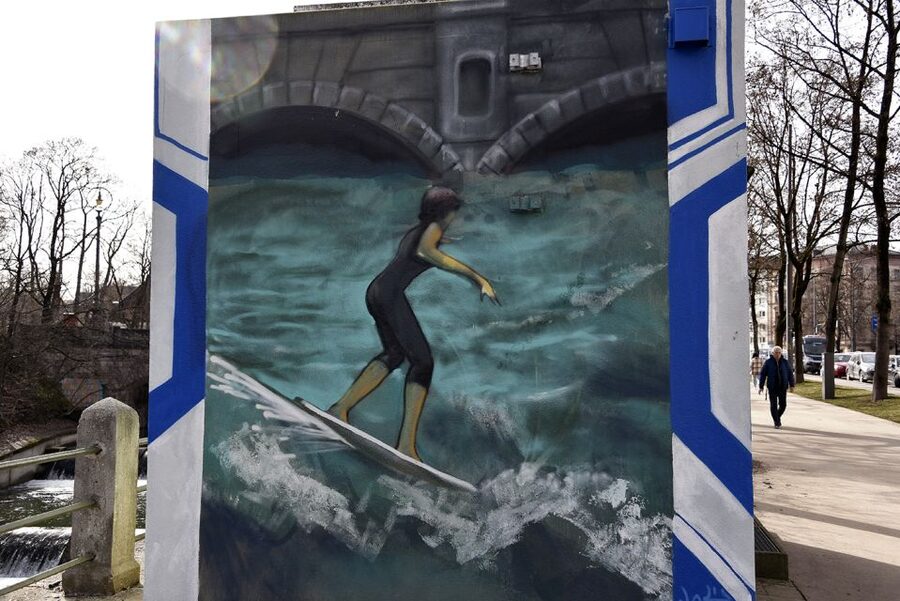
Review · STREET ART BIKE TOURS
Munich: Street Art Bike Tour
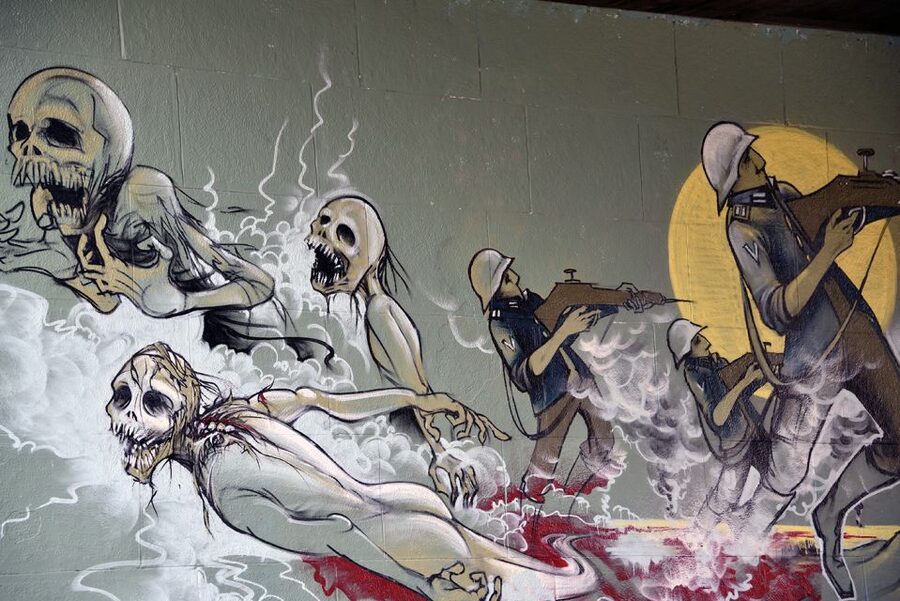
Munich’s polished center hides a wilder story: in the 1980s, this city helped launch Germany’s graffiti movement. This three-and-a-half-hour bike tour follows that story away from postcard Munich, from the Isar river to former working-class Giesing and the slaughterhouse district.
I like the mix of street art and local history, and I like that you reach several districts by bike instead of spending the whole tour in the center. The main drawback is the length for younger children or anyone who is not comfortable cycling for 210 minutes. The tour is in German, though guide Ulrike has made a real effort to explain the subject to English-speaking visitors.
Key points at a glance
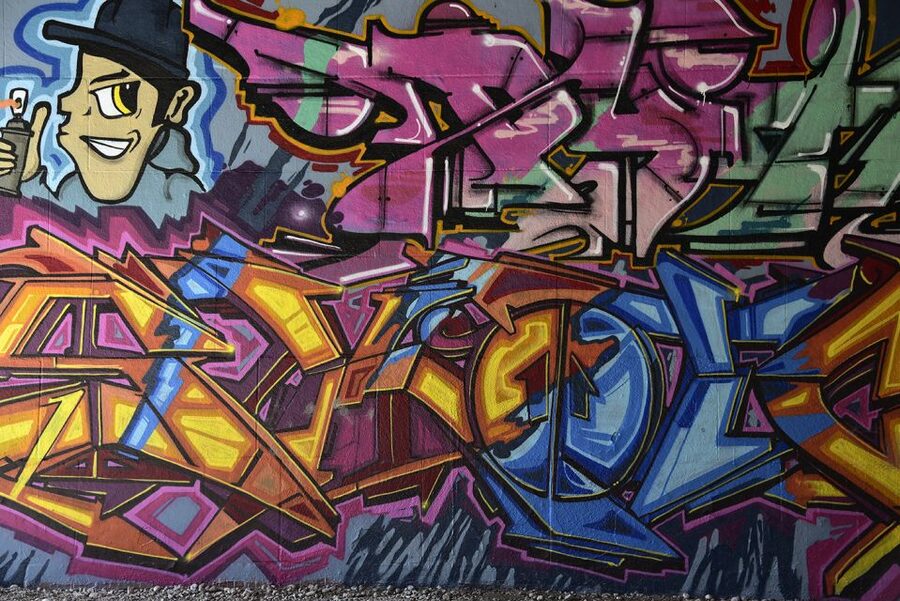
- Munich’s 1980s graffiti roots: Learn why the city became a major European center for graffiti alongside New York.
- A ride beyond Marienplatz: Leave the tourist center behind and cycle to the Isar, Giesing, and the slaughterhouse district.
- Old masters and newer artists: See work linked to artists who shaped Munich’s graffiti culture, along with newer pieces.
- A break beside a railway bridge: Pause on a boat near the slaughterhouse quarter, adding a distinctly local touch to the route.
- Comfortable rental bikes included: You do not need to arrange your own bicycle for this tour.
- German-speaking guide: The regular tour language is German, with private groups available.
Why Munich is a surprising street art city
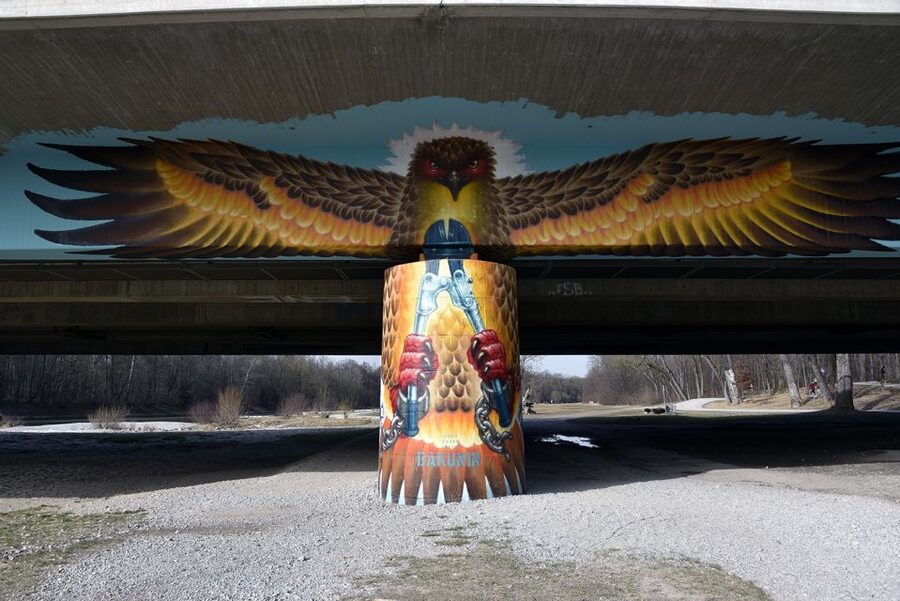
Munich is usually sold through grand squares, palaces, museums, and tidy streets. That makes the graffiti story all the more interesting. The city’s orderly appearance can hide the fact that it was a major force in Germany’s graffiti movement during the 1980s.
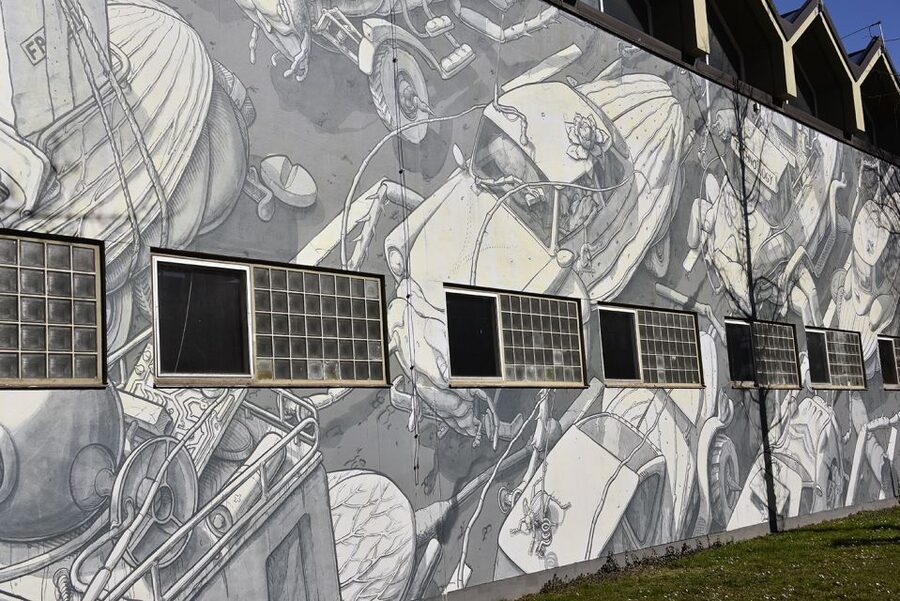
This tour gives you a way to see that less polished side of Munich without treating street art as random decoration. Your guide explains how graffiti developed, points out work by established artists, and shows how new artists continue to add their own marks. You get the visual pleasure of bright murals, but also the context needed to understand why certain walls matter.
I find that context important. Without it, street art can blur into a string of colorful walls. With a guide, you can begin to notice the difference between older pieces tied to Munich’s early graffiti culture and newer work that reflects the city today.
The tour also takes you beyond the central streets most people see on a first visit. That is a real advantage if you have already visited Marienplatz or want a break from the usual sightseeing circuit.
More Street Art Bike Tours in Munich:
- London Bike Tour: Landmarks, Secret Gems, Pub Stop & Street Art
★ 5.0 · 943 reviews - London: Landmarks & Secrets Bike Tour with Pub & Street Art
★ 4.9 · 314 reviews - Mexico City; ART NACO : Murals & Street Art Bike Tour
★ 5.0 · 284 reviews
Starting at Marienplatz and leaving the center
You meet your guide in front of the Tourist Information Office at Marienplatz. Look for the yellow street art tour sign with red letters. This is a simple meeting point, but Marienplatz can be crowded, so arrive with enough time to find the office and identify the sign.
From there, you get your rental bike and begin riding through Munich. The bikes are included in the price, which keeps the planning easy. You do not need to bring a bike or arrange a separate rental before the tour.
The opening section is useful for setting the theme. You start in the heart of traditional Munich, then move toward places where the city’s graffiti culture is easier to see. That contrast is part of the experience. The tour is not asking you to ignore Munich’s famous center. It is showing you what exists just beyond it.
Because this is a bike tour, you see the city in motion rather than from a fixed sightseeing route. You cover more ground than you would on foot, yet you can still stop when the guide wants to discuss a mural or a particular artist.
Following graffiti along the Isar
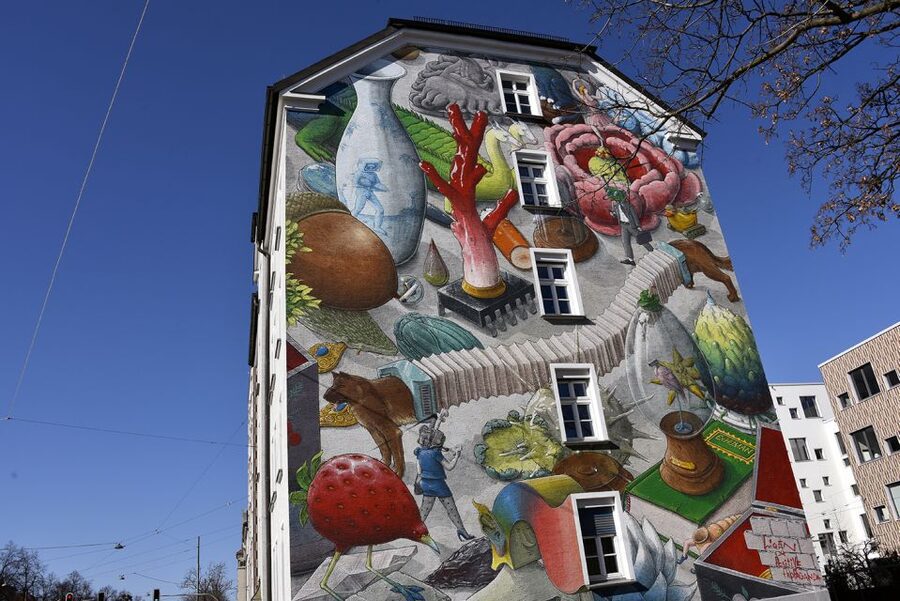
The route heads toward the Isar river, where artists have left their mark. The river section changes the mood of the tour. Instead of viewing murals only along ordinary city streets, you see artwork in a setting shaped by open space, water, bridges, and paths.
Your guide uses these stops to explain the history of graffiti and identify notable work. The focus is not only on finding attractive walls. You also learn about the artists who helped form Munich’s scene and the newer names continuing the work.
The Isar portion should appeal to anyone who likes the way street art changes with its surroundings. A piece near a river or bridge can feel very different from a mural squeezed into a dense urban block. The location becomes part of how you read the art.
You should also expect some stops to be more interesting to you than others. Street art changes over time, and murals may be weathered, painted over, or replaced. The value here comes from the guide’s explanation as much as from any single wall. The tour gives you a way to understand the scene, not a guarantee that every piece will look freshly painted.
Giesing, a former working-class neighborhood
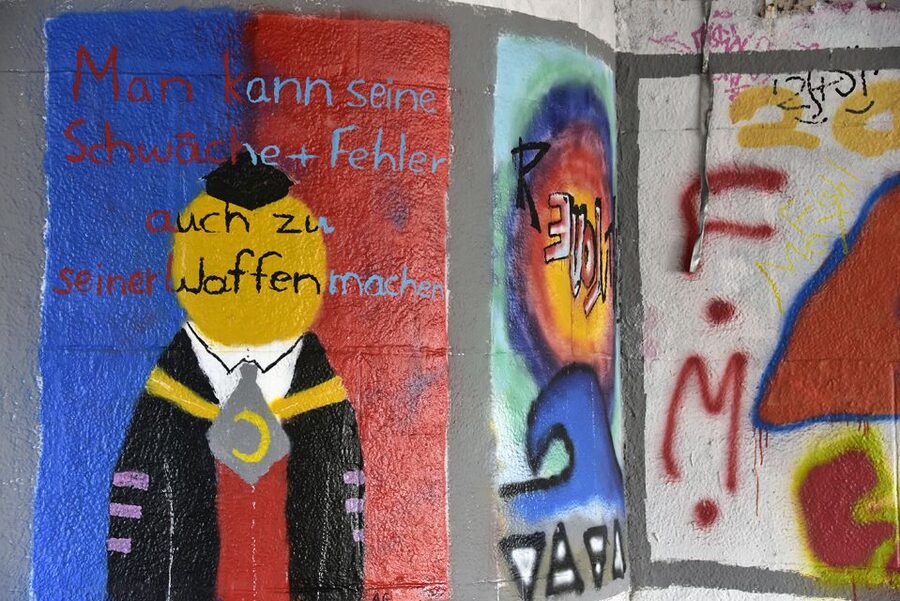
One of the best parts of the route is the ride to Giesing. This former working-class neighborhood offers a different view of Munich from the elegant center. You are not simply collecting murals. You are seeing how art fits into an area with its own social and urban character.
Giesing is a good match for this subject because street art often makes more sense when you see the neighborhood around it. The buildings, streets, and everyday setting help explain why certain walls became canvases in the first place.
For you, the practical benefit is variety. The tour does not keep you circling the same central blocks. You ride into a part of Munich that many short city visits skip, and the cycling route makes the trip there part of the experience rather than a separate transport problem.
The distance and duration are also worth considering. Three hundred and ten minutes is not the stated length, the tour lasts 210 minutes, or three and a half hours. That is long enough to reach Giesing and the southern parts of the route, but it can feel extended for a child who is only mildly interested in graffiti. One parent found the length a little much for a 12-year-old, while another family said their 10 and 12-year-old boys enjoyed the activity. Interest in the subject and comfort on a bike will matter more than age alone.
More street art walks in Munich:
- Mexico City: Art Naco, murals & street art bike tour
★ 4.7 · 166 reviews - Cologne: Ehrenfeld Street Art Bike Tour
★ 4.9 · 105 reviews - Amsterdam’s Hidden Gems and Street Art Bike Tour
★ 5.0 · 65 reviews - Barcelona: 3.5-Hour Street Art Tour by Bamboo Bike
★ 5.0 · 56 reviews
The slaughterhouse district and the boat break
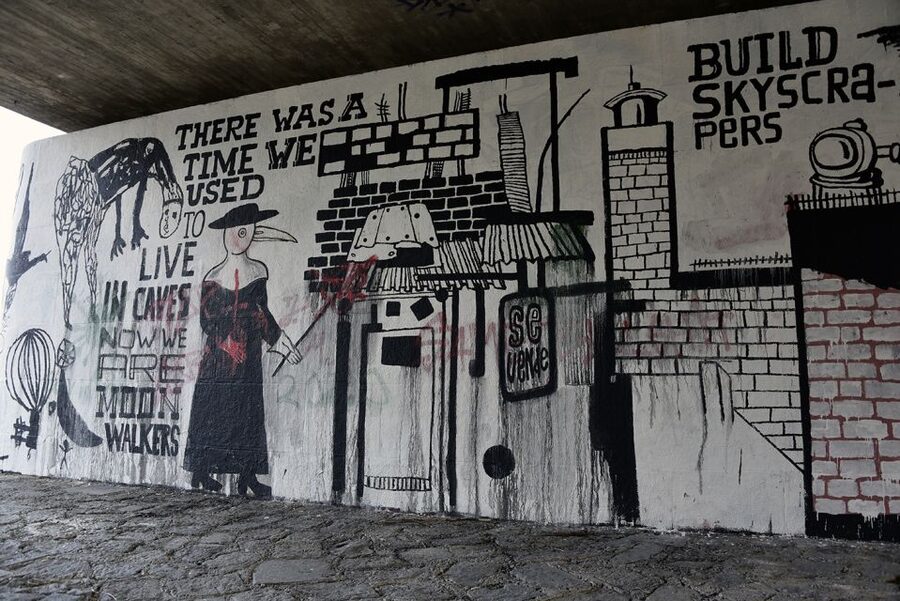
From Giesing, the route continues toward Munich’s slaughterhouse district. This gives the tour another change of setting and keeps the focus on parts of the city that do not appear on the standard first-time itinerary.
The planned break is on a boat near a railway bridge. That is an unusual detail, and it gives the tour a pause without sending you into a standard café or restaurant stop. You can take a breather, look around, and let the guide connect the nearby art to the district.
A railway bridge and a slaughterhouse quarter may sound less postcard-ready than Munich’s central squares, but that is exactly why they suit a street art route. Street art often belongs to working spaces, transport corridors, and leftover urban surfaces. This part of the tour helps you see the city as a place where art develops in ordinary settings.
Do not book this expecting a formal museum visit or a polished art gallery circuit. The appeal is the combination of cycling, outdoor murals, local districts, and explanation from a guide. Weather can affect the experience, too. The tour runs outdoors, and rain may change the group arrangement or make the ride less comfortable.
Old masters, new artists, and useful context
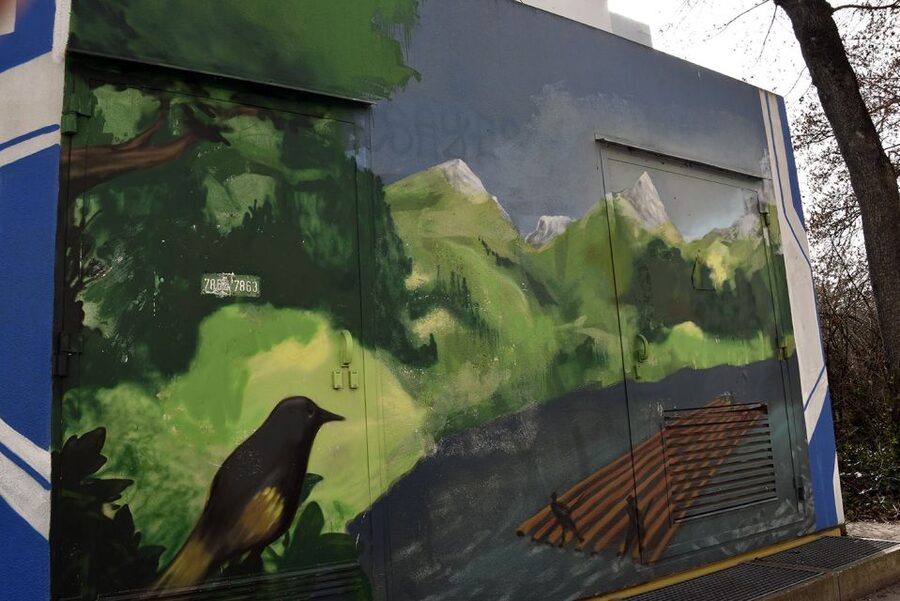
The tour includes work by older artists who shaped Munich’s graffiti culture, along with pieces by newer street artists. That balance keeps the route from becoming a history lesson frozen in the 1980s.
The early period matters because Munich was considered a graffiti center alongside New York. Your guide explains the development of the movement and points out examples connected to the city’s early scene. This gives you a better sense of why Munich matters in graffiti history, even if the city is more commonly associated with beer halls and classical culture.
The newer work matters for a different reason. Street art is temporary and changing. By including current artists, the tour shows that the scene did not end with its first generation. You see the city as an ongoing place of creative work rather than a museum of old murals.
This is where the guide makes the largest difference. Ulrike received especially strong praise for being friendly, patient, and well informed about Munich’s street art scene. She also made an effort to explain the tour to English-speaking visitors, even though German is the stated tour language. If you need a fully English-language experience, confirm the language before booking. If you can follow some German, or arrange a private group with your preferred needs, the tour may work better.
One small detail from the tour’s subject also shows how urban art can be more technical than it first appears. A mural advertising Aldi in Weinbauernstraße uses photocatalytic paint, a material with an air-cleaning function. That kind of detail may or may not come up on your particular outing, but it shows why a guide can add useful layers to what you see.
How the cycling format changes the experience
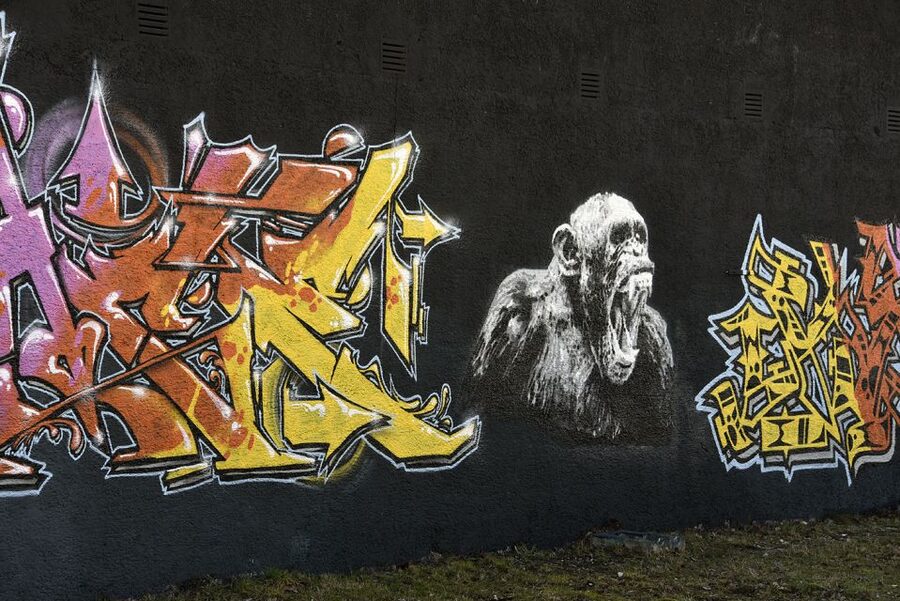
A walking tour can focus closely on a few blocks. This bike tour gives you a wider slice of Munich. You travel from the central meeting point to the river, Giesing, and the slaughterhouse district without spending much of the tour on public transport.
That wider route is the main reason to choose this activity. You get art, neighborhood views, and exercise in one booking. The bike also lets you move between pieces that would feel disconnected on foot.
The tradeoff is physical. You should be comfortable riding for three and a half hours, including stops and the break. The tour is not suitable for wheelchair users, and children under 10 cannot join. The age rule is clear, but the family feedback suggests that older children should also have a genuine interest in cycling or street art.
I would wear practical clothing and shoes suited to riding. The supplied information does not promise a specific bike style or equipment, so do not assume that specialist cycling gear or accessories are included. What is clear is that rental bikes and a guide are part of the booking.
Is the $40 price good value?
At $40 per person, the price is reasonable if you want more than a quick look at murals. You receive a rental bike, a guide, 210 minutes of touring, and access to districts you might not reach during a short central Munich visit.
The value comes from the amount of ground covered and the guide’s local explanation. A self-guided ride would cost less if you already had a bicycle and knew where to go, but you would need to find the artworks, understand their place in Munich’s graffiti story, and plan a route through several neighborhoods.
A private group is available, which may make the price more useful for families or friends who want a more personal pace. The standard tour language is German, so English speakers should pay close attention to the language arrangement before booking. Ulrike has helped English-speaking participants, but that should not be treated as a promise that every departure will operate bilingually.
The booking terms are friendly for uncertain plans. You can reserve now and pay later, and cancellation is free up to 24 hours before the tour for a full refund. Those details matter if your Munich schedule depends on weather or changing arrival plans.
Who will enjoy this Munich bike tour?
I would choose this tour if you like urban history, photography, cycling, or art that appears outside formal galleries. It also suits repeat visitors who have already seen the main center and want to understand a less familiar side of Munich.
It can work for families with children aged 10 and above, especially if the children enjoy bikes and colorful murals. The three-and-a-half-hour length may be too much for some younger participants, so I would not book it solely as a way to keep a child occupied.
The tour is also a good fit for visitors who want a small-group feel. Private groups are available, though the exact arrangement and language should be checked before you pay.
I would be cautious if you need a fully English-language tour, have limited cycling ability, use a wheelchair, or want an indoor art experience. This is an outdoor ride with a German-speaking guide, and its appeal depends on moving through the city for a sustained period.
Should you book it?
Book this street art bike tour if you want Munich beyond Marienplatz, enjoy learning how graffiti developed, and are happy to spend 210 minutes cycling between the Isar, Giesing, and the slaughterhouse district. The route has real variety, and the stop near the railway bridge gives it more character than a standard wall-to-wall art walk.
Skip it if you want a short activity, a guaranteed English tour, or a tightly focused visit to only the most famous murals. For everyone else, $40 buys a practical way to see Munich’s graffiti past and present while reaching neighborhoods you might otherwise miss. Check the language, weather, and group details before booking, then meet the guide by the Tourist Information Office and look for the yellow sign with red letters.
FAQ
Where does the Munich Street Art Bike Tour meet?
Meet your guide in front of the Tourist Information Office at Marienplatz. The guide will hold a yellow street art tour sign with red letters.
How long does the tour last?
The tour lasts 210 minutes, or three and a half hours.
What language is the tour offered in?
The stated tour language is German. English-speaking participants have received extra explanations from guide Ulrike, but you should confirm language arrangements before booking if you need an English tour.
Are bikes included?
Yes. Rental bikes and a tour guide are included.
Can children join the tour?
Children under 10 are not permitted. Older children can join, but the 210-minute length may feel long for some 12-year-olds.
Is the tour wheelchair accessible?
No. The activity is not suitable for wheelchair users.
Latest bike tours added in Munich
- Munich: Mini Classic Bike Tour with Beer Garden Stop at 4 PM★ 4.8 · 28 reviews
- Best of Munich Electric Bike Tour★ 4.7 · 23 reviews
- Munich: Neuschwanstein Castle by Bus with Alpine Bike Ride★ 4.9 · 217 reviews
- Best of Munich Electric Bike Tour★ 5.0 · 38 reviews
- Munich City Bike Tour + Beer Garden Lunch Stop★ 5.0 · 283 reviews
- Munich: Bike Tour with Beer Garden Break★ 4.9 · 391 reviews
- Munich Essentials Bike Tour★ 4.9 · 401 reviews
- Munich by Bike: Half-Day Tour with Local Guide★ 4.7 · 417 reviews
Street Art Bike Tours, compared.
London Bike Tour: Landmarks, Secret Gems, Pub Stop & Street Art
Read our review →
Landmarks & Secrets Bike Tour with Pub & Street Art
Read our review →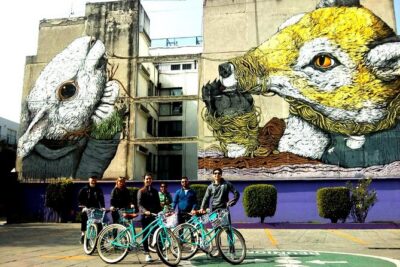
Mexico City; ART NACO : Murals & Street Art Bike Tour
Read our review →
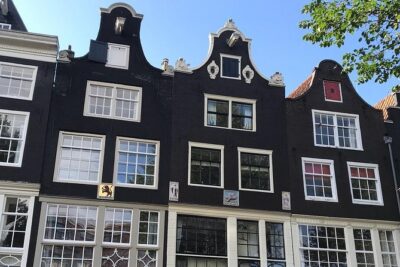
Urban Adventures Amsterdam Bike Tour, Graffiti and Magnet Fishing
Read our review →
Guided Asheville E-bike Tour of River Arts, Mountains and Murals
Read our review →
Amsterdam’s Hidden Gems and Street Art Bike Tour
Read our review →Browse the lists this tour appears in