
Review · POLAND BIKE TOURS
3-Hour Guided Cycling Tour of Warsaw
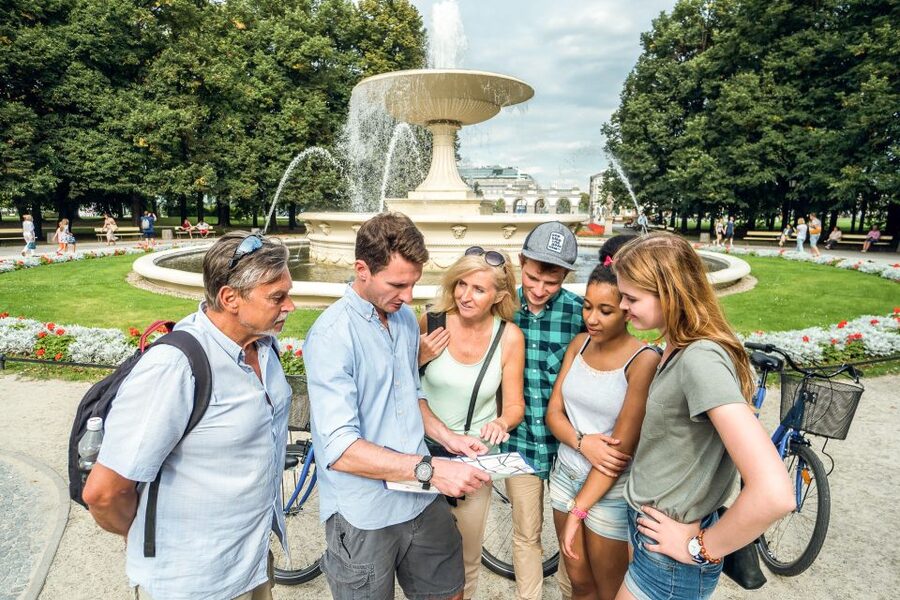
Warsaw is spread out, and that is exactly why this three-hour bike tour works so well. In one easy ride, you move from the Old Town and Castle Square to the Palace of Culture, the Vistula River, and districts you might otherwise reach by taxi or public transport. The route covers about 8 miles at a relaxed pace, with frequent stops for stories and orientation.
I like two things most here: the bikes let you see far more than a walking tour, and the guide gives the city’s difficult past a human shape. Guides including Marcin, Jakub, Maria, and Michal have been praised for clear English, humor, and strong storytelling. The 30-minute café stop also breaks up the ride nicely.
The main drawback is that this is an overview, not a series of long museum visits. You may spend only about 10 minutes moving through each area, and cobblestones, pedestrians, a few slopes, or city traffic can make parts less smooth. If you want detailed time inside the Royal Castle, this is not the right tour.
Key points to know before you book
- About 8 miles at an easy pace: You cover a large part of central Warsaw without racing from stop to stop.
- A strong first-day introduction: The route gives you a useful map of the city and ideas for places to revisit.
- English-speaking guides with personality: Marcin, Jakub, Maria, and Michal have led many highly praised outings, with history, jokes, and practical explanations.
- Old Town plus areas beyond it: You see famous sights, riverfront paths, Powiśle, Grzybowski Square, and the Palace of Culture.
- A 30-minute café break: Refreshments are not included, but the pause gives you time to rest and buy something.
- Bring the right expectations: You must be able to ride a bicycle, and the tour has no child seats or trailers.
Why a bicycle makes sense in spread-out Warsaw
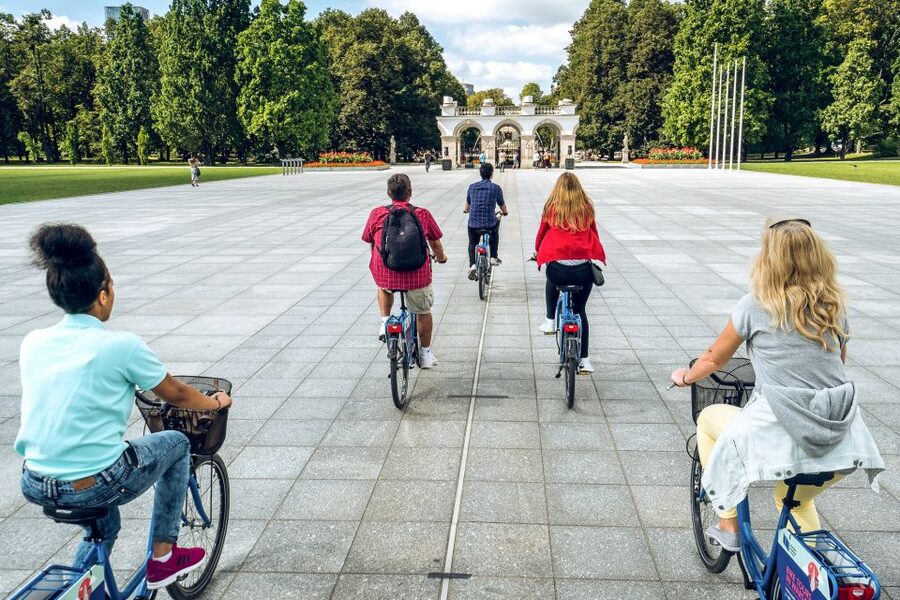
Warsaw’s main sights do not sit in one compact cluster. The Old Town is an obvious starting point, but the Royal Route, Palace of Culture and Science, Powiśle, and the Vistula riverfront are separated by broad streets and modern districts.
On foot, you can see some of these places, but you will spend more of your day walking between them. By bike, you get a look at how the city changes from rebuilt historic streets to modern central Warsaw and then to the open riverfront.
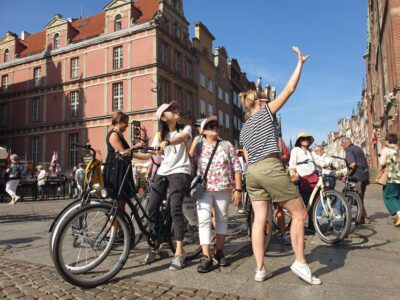
The pace is designed for sightseeing rather than exercise. You ride between stops, listen to the guide, and pause for explanations. That makes this a good match for someone who wants more ground covered than on foot but does not want a demanding cycling excursion.
You should still feel comfortable riding in an urban setting. Parts of the route use footpaths and cycle paths, while other sections bring you near cars, pedestrians, cobblestones, and gentle hills. One particularly rough section near the end includes a cobblestone slope. It is manageable for regular cyclists, but not every part feels as smooth as a ride on a dedicated path.
More three-hour rides in Poland:
- Krakow: 3-Hour Small Group Tour on E-Bike
★ 4.8 · 135 reviews - 3-Hour Porto Highlights on a Electric Bike Guided Tour
★ 5.0 · 4,392 reviews - 3-hour Complete Prague Bike Tour
★ 5.0 · 3,674 reviews
Starting near the Old Town at Eat Polska
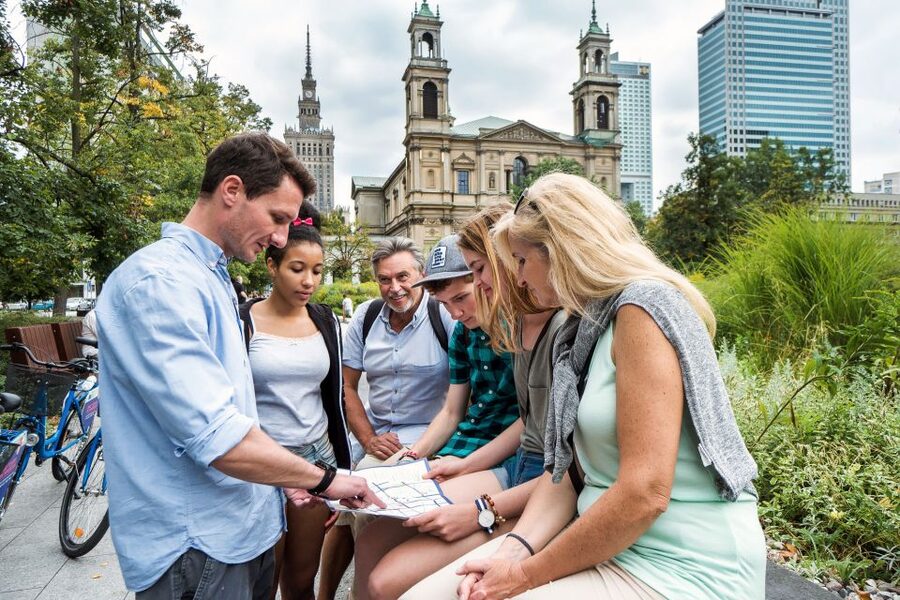
The meeting point is Eat Polska at 16/18 Koźla Street. It is about 1 kilometer from Sigismund’s Column in Castle Square, so you do not meet directly beside the most famous Old Town landmarks.
The closest metro station is Metro Ratusz Arsenał, about 1.2 kilometers away. Allow time to walk from either the Old Town or the metro. This small bit of planning matters because the tour begins on schedule, and you will want time to check in, adjust your bike, and listen to the opening instructions.
The bike rental and guide are included in the $41 price. A basket costs an extra 10 PLN, and a rain poncho also costs 10 PLN. Refreshments during the café break are your responsibility.
The operator can accommodate people bringing their own bikes, but you should contact them first. Children need special planning because there are no child seats or trailers, and the tour is not intended for anyone under 150 centimeters, or 4 feet 9 inches.
From the Warsaw Uprising Monument to Old Town
The first major stop is the Warsaw Uprising Monument. It provides an immediate reminder that Warsaw’s identity is tied closely to its wartime experience and the city’s efforts to remember those who fought in the 1944 uprising.
From there, you cycle into the Old Town. Warsaw’s historic center was rebuilt after the Second World War, and seeing it by bike gives you a quick sense of how the restored streets connect to the larger city. You pass through Castle Square, one of the city’s most recognizable public spaces, with the Royal Castle nearby and Sigismund’s Column marking the entrance to the Old Town.
Do not expect to park and explore every lane at length. The guide is using these stops to explain the setting and point out details, not to replace a separate walking tour of the Old Town. I would save the Old Town for another visit if you want time inside the Royal Castle or a slow look at the square.
Following the Royal Route through central Warsaw
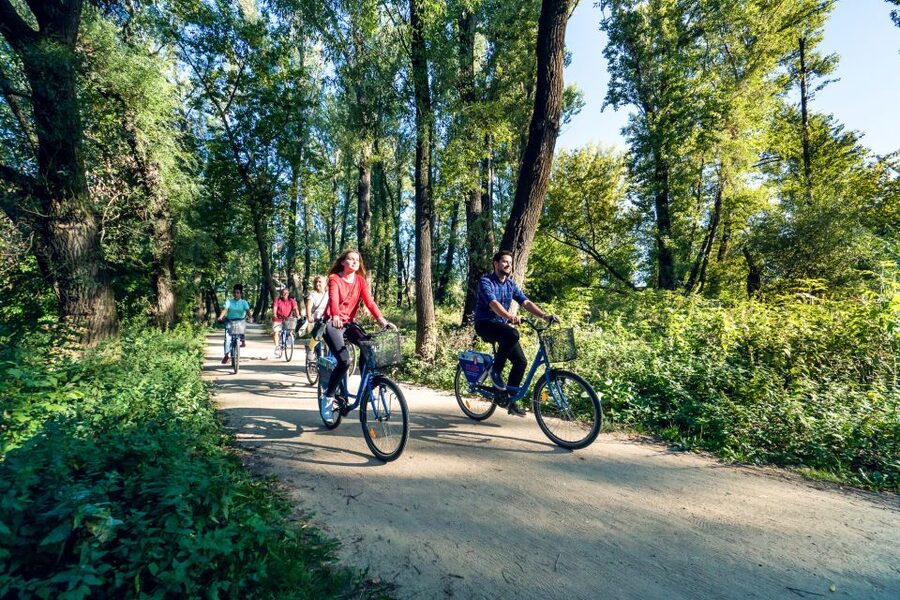
The ride continues along the Royal Route, one of Warsaw’s key sightseeing corridors. This stretch links the Old Town area with central districts and gives you a practical sense of the city’s ceremonial and civic center.
The Presidential Palace is one of the notable stops. The guide places it in the wider story of Polish government and public life, while the Tomb of the Unknown Soldier offers a quieter moment of remembrance.
You also pass through Saxon Garden, a pleasant change from the surrounding streets. Grzybowski Square then brings the route back into the city’s dense central area. These stops are useful because they show Warsaw as more than a restored medieval quarter. You see formal squares, public buildings, gardens, and streets shaped by the city’s modern growth.
The stop-by-stop format means you will hear plenty of explanation, but you may not have time to wander deeply into each place. Think of this part as a moving lesson in how Warsaw fits together.
More guided departures in Poland:
- Krakow: Old Town Bike Tour with a Guide
★ 4.5 · 54 reviews - Small Group Guided Bike Tour of Amsterdam’s Hidden Gems
★ 5.0 · 3,936 reviews - Porto: City Highlights 3-Hour Guided Electric Bike Tour
★ 4.8 · 3,092 reviews - Highlights & Hidden Spots of Barcelona Bike Tour w/ Local Guide
★ 4.5 · 3,009 reviews
The Palace of Culture and Science gives you a city marker
The Palace of Culture and Science is hard to miss. Its height and scale make it one of the clearest reference points in central Warsaw, and the tour stops so you can see it up close rather than merely spot it from a distance.
This is a useful part of the ride for first-time visitors. After moving through older streets and formal public spaces, you reach a building that represents another period of the city’s past. The guide can help place it within Warsaw’s political and architectural story.
The tour does not include a visit to an observation deck or an interior tour. You see and discuss the building from the outside, which fits the overall design: cover many important places, understand their role, and decide what deserves a longer visit later.
The café break is more useful than it sounds
At roughly the midpoint, you stop at a local café for about 30 minutes. Food and drinks are not included, so bring money for your own refreshments.
I like this pause because three hours on a city bike can feel longer than the distance suggests. It lets you rest your legs, use the time to ask the guide questions, and reset before the riverfront portion of the ride.
The break also keeps the tour from becoming a nonstop stream of monuments. The route includes many stops, but the café gives you a genuine pause rather than another quick explanation from the saddle.
Chopin, Copernicus, and the city’s cultural side
After the break, the route passes Holy Cross Church and the Copernicus Monument. Holy Cross Church is linked with Frederic Chopin, giving the tour a chance to connect Warsaw with one of Poland’s best-known cultural figures.
The Copernicus Monument shifts the focus toward science and public memory. These stops add variety after the political buildings and wartime sites. You are not only seeing official Warsaw, but also the people and ideas that shaped the country’s cultural identity.
The guides are a major part of how well this section works. Marcin is repeatedly praised for detailed explanations, visual historical examples, and a good sense of humor. Jakub is described as patient and engaging, while Maria has been praised for a cheerful manner and a pace that suits the group. The exact guide depends on the day, but the experience relies on live commentary rather than recorded narration.
The Mermaid and the Vistula Boulevards
The Powiśle Mermaid Monument is one of the tour’s lighter and more memorable stops. The Warsaw Mermaid is a symbol of the city, and seeing the monument gives you a quick connection to local identity and folklore.
From there, you ride along the Vistula Boulevards. This is one of the best reasons to choose a bicycle. The riverfront offers a different feel from the Old Town and central streets, with broader views and a chance to see Warsaw from beside the water.
The route includes panoramic views from the riverbanks, but the tour is not a dedicated river excursion. You are making a sightseeing stop as part of a larger circuit. If the weather is good, this may be one of the most enjoyable stretches of the ride. If it is windy or rainy, the open riverfront can feel less comfortable.
Royal Castle Gardens and Multimedia Fountain Park
The Warsaw Royal Castle Gardens bring you back toward the historic center. The gardens offer a change of pace after the boulevards and provide another angle on the Royal Castle area.
The final sightseeing stops include Multimedia Fountain Park and the Maria Skłodowska Curie Monument. Fountain Park gives the route a modern public-space finish, while the monument honors another important Polish figure with global importance.
At this point, you have seen a wide range of Warsaw: wartime remembrance, rebuilt Old Town streets, government buildings, gardens, central high-rises, cultural landmarks, the river, and public monuments. The tour then returns to Eat Polska.
Because the itinerary includes so many locations, the final stops work best as orientation points. You will not get a long, quiet visit at every one. The payoff is the sheer variety and the understanding of where these places sit in relation to each other.
Guides, bikes, and the riding conditions
The guide quality is one of the strongest parts of this experience. Marcin receives especially frequent praise for his historical detail, humor, English, and ability to keep a group together. Jakub is noted for patience and clear explanations, while Maria and Michal are also praised for friendly, well-organized guiding.
That matters in Warsaw, where the past can be complicated and emotionally heavy. A good guide can explain difficult subjects without turning the ride into a dry lecture. The best feedback points to a mix of facts, personal energy, Polish jokes, and answers to questions.
The bikes are described as comfortable, easy to ride, and in good condition. Still, one rider wanted shock absorbers and suggested an electric-bike option. That is fair advice if you dislike bumps or have limited cycling strength. No electric-bike option is specified here, so do not assume one will be available.
You should dress for the weather. A rainy ride has been completed successfully, but a poncho costs extra. In cooler months, warm clothing is important, particularly on the open riverfront. The tour runs year-round according to the dated experiences provided, but conditions will affect comfort.
Who gets the best value for $41
At $41 per person, the tour offers good value if you want a broad first look at Warsaw. A private taxi between all these areas would cost more and would not give you the same steady commentary. A walking tour may offer more detail at individual monuments, but it will cover less ground.
The price includes the bicycle and guide. You pay separately for drinks, snacks, a basket, or a rain poncho. Those are small extras, but you should know about them before arriving.
I see the strongest value for:
- First-time visitors who want a city overview
- People staying only one or two days
- Families with children tall enough to ride independently
- History-minded visitors who enjoy live explanation
- Anyone who wants to identify places to revisit later
- Cyclists comfortable with streets, paths, pedestrians, and cobblestones
It is less suitable if you want a slow museum-focused day, dislike city cycling, cannot ride confidently, or need a child seat or trailer. Alcohol is forbidden immediately before and during the tour, and the guide can refuse participation if someone appears drunk or unfit. That refusal does not qualify for a refund.
Free cancellation is available up to 24 hours before the tour, and you can reserve while paying later. Check the available starting times when booking, since the exact departure time is not fixed in the details provided.
Should you book the Warsaw cycling tour?
I would book this as an early activity, especially if you have only a short stay. It gives you a working map of Warsaw, introduces the main landmarks, and shows you places beyond the Old Town without making you spend the day on public transport.
Go in expecting a fast-moving overview rather than deep visits. Wear comfortable clothes, prepare for cobblestones and city traffic, and bring a little cash for the café and optional extras. If you can ride a bike and want history delivered with warmth, humor, and plenty of ground covered, this is a strong value at $41.
FAQ
How long is the cycling tour?
The tour lasts three hours, including a planned 30-minute break at a local café.
How far do you cycle?
The route covers about 8 miles at an easy, relaxed pace.
What language is the tour conducted in?
The live tour guide speaks English.
What is included in the price?
The price includes the bicycle rental and the guide.
Are refreshments included?
No. Refreshments at the café and along the route are not included.
Where does the tour begin?
The meeting point is Eat Polska at 16/18 Koźla Street, about 1 kilometer from Sigismund’s Column in Castle Square.
Can I bring my own bicycle?
Yes, you can bring your own bike, but you should contact the activity provider if you plan to do so.
Are child seats or trailers available?
No. The tour has no child seats or trailers, and children should be discussed with the activity provider before booking.
Latest bike tours added in Poland
- Secrets of Warsaw 4-hour Bike Tour★ 5.0 · 25 reviews
- Krakow: Old Town Bike Tour with a Guide★ 4.5 · 54 reviews
- Krakow: Complete Bike tour with all the highlights★ 4.9 · 90 reviews
- Krakow: 3-Hour Small Group Tour on E-Bike★ 4.8 · 135 reviews
- Gdansk Private Bike Tour★ 5.0 · 21 reviews
- Gdańsk: Highlights Bike Tour★ 4.9 · 173 reviews
- Hidden Krakow Bike Tour★ 5.0 · 275 reviews
- Krakow: Highlights of Krakow Bike Tour – Small Group★ 4.9 · 421 reviews
Poland Bike Tours, compared.
Complete Cracow Bike Tour (small group of maximum 15 people!)
Read our review →
Krakow: Bike Tour of Old Town, Jewish Quarter and the Ghetto
Read our review →
Full Bike Tour – the Old Town, Jewish Qtr & the Ghetto NEW BIKES
Read our review →
Krakow: Highlights of Krakow Bike Tour – Small Group
Read our review →
Browse the lists this tour appears in