
Review · SPAIN BIKE TOURS
Teide road bike climb from PdC
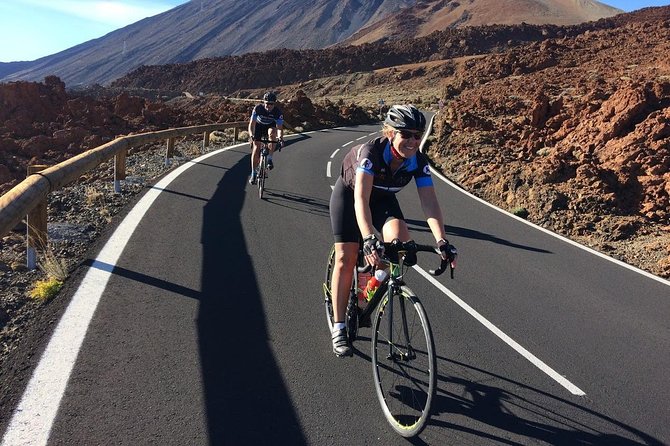
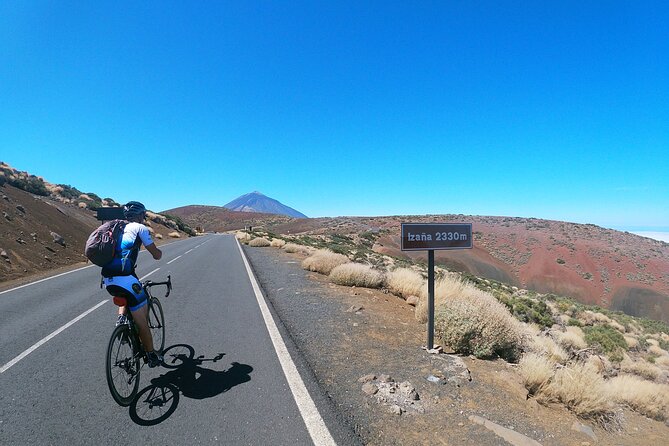
Teide is not a gentle sightseeing ride. From Puerto de la Cruz, you climb for roughly 44 kilometers at a 5 percent average grade, gaining about 2,400 meters before reaching the cable-car area. The reward is a full day of changing scenery, from Atlantic views and forest roads to volcanic ground that looks more like Mars than Tenerife.
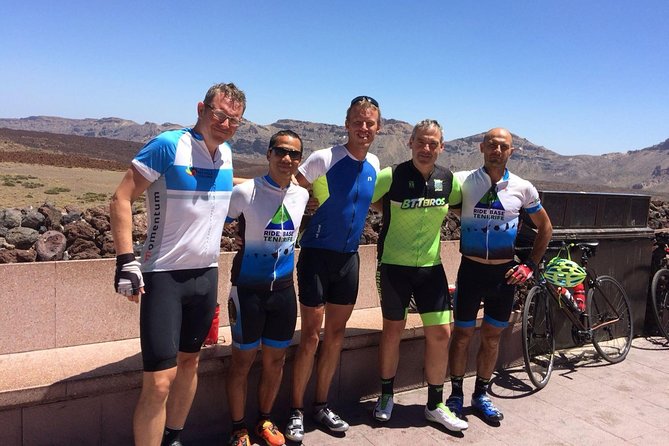
I like two things right away: the group is capped at five, and a guide handles the route, pacing, and practical decisions. Alberto, Jesper, and Rob have guided rides here, and their support includes bike fitting, encouragement, and useful stops for coffee, cake, biscuits, or photos. The main drawback is plain enough: this is a hard 94-kilometer ride, and the bike and helmet cost extra.
Key points before you book
- A 2,400-meter climb: This is an endurance challenge, not a casual cycle around town.
- Three distinct settings: You pass villages, wooded slopes, and the stark volcanic heights of Teide National Park.
- Small-group support: With no more than five people, the guide can help with pacing and safety.
- Bike rental costs extra: Aluminium bikes start at €26, carbon bikes at €32, and carbon bikes with disc brakes at €36.
- A long, fast return: After reaching the cable-car area, you descend all the way back to Puerto de la Cruz.
- E-bikes are an option: Several riders have chosen them to make the steep climb more manageable across mixed ability levels.
Why this Teide climb is worth the effort
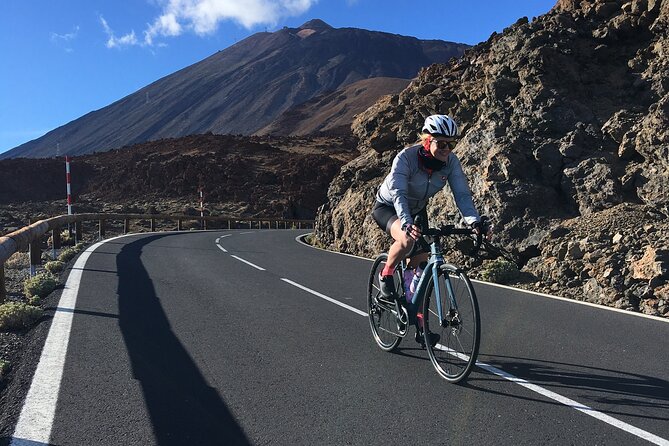
The appeal is not simply reaching Tenerife’s highest mountain. It is the way the island changes as you ride upward. You begin near Puerto de la Cruz, with the bay and Atlantic Ocean below, then move through small communities and forest before reaching the open volcanic country around Teide.
That steady change gives the climb a purpose. You are not grinding up one featureless road. Every hour brings a different view, a different temperature, and a new reason to stop for a photograph.
I also like that the route does not ask you to study a map beforehand. Your guide leads the way, sets a sensible rhythm, and helps you judge how much effort to spend early in the ride. That matters on a climb of this length. A strong cyclist can still spoil the day by pushing too hard in the first third.
The group size is another real advantage. A maximum of five people is small enough for the guide to notice when someone needs a slower pace or a short break. The experience can feel more like a private cycling day than a standard group excursion.
More bike tours in Spain:
- Highlights & Hidden Spots of Barcelona Bike Tour w/ Local Guide
★ 4.5 · 3,009 reviews - Valencia: City Highlights Guided Bike Tour
★ 4.7 · 2,373 reviews - Seville Highlights Bike Tour (English)
★ 5.0 · 2,225 reviews
From Puerto de la Cruz to the forest roads
The meeting point is Ride Base Tenerife on Calle Avenida Francisco Afonso Carillo, near the Playa Bahia II building in Puerto de la Cruz. The ride begins and ends there, so you do not need to arrange a separate return transfer.
Before setting off, the team helps match you with a suitable bike. The available choices include aluminium, carbon, and carbon bikes with disc brakes. The stated rental prices are €26, €32, and €36 respectively. Pedals, bike sizes, and other fitting details are arranged with the guide after booking.
That fitting step is worth taking seriously. On a short city ride, a slightly awkward saddle may not matter. On a climb lasting several hours, it can become the difference between enjoying the day and counting every kilometer.
The road first takes you through smaller villages and wooded sections. Along the way, you get views back toward Puerto de la Cruz, the bay, and the ocean. These are useful natural pause points, especially if the group needs to regroup or you want photographs without turning the climb into a stop-start procession.
Guides such as Jesper and Alberto have been praised for finding the right rhythm for mixed groups. That is important because cycling ability can vary sharply in a group of five. A good guide does not simply ride at the pace of the strongest person and leave everyone else struggling behind.
The final 11 kilometers into Teide National Park
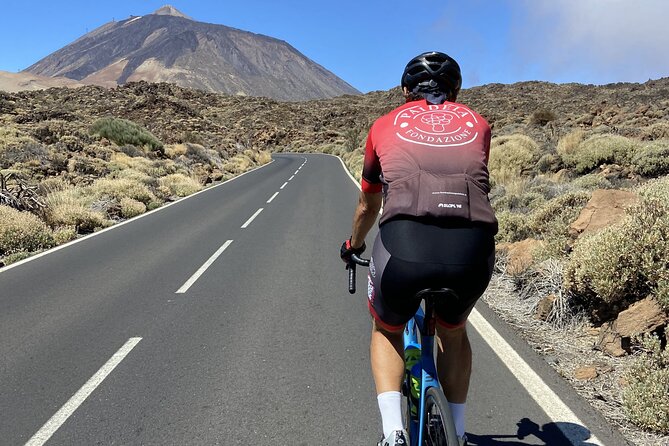
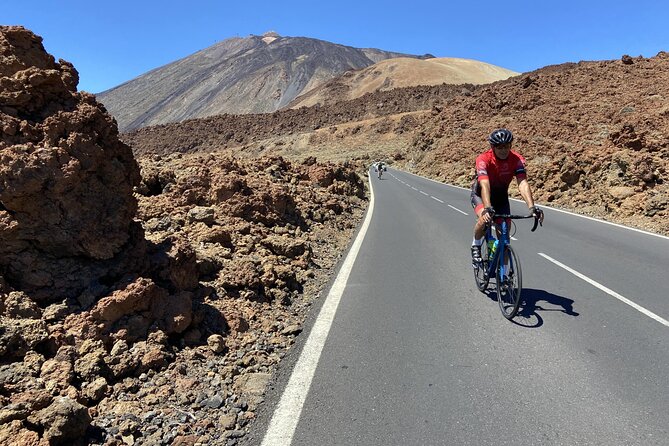
The last 11 kilometers bring the biggest visual change. Forest gives way to the raw volcanic surroundings of Teide National Park. The ground becomes darker, barer, and more severe, with shapes and colors that can recall the surface of the Moon or Mars.
This section is where the effort begins to make sense. You have earned the open views by working your way up from the coast, and the setting feels very different from the resort areas below. The cable-car area marks the practical high point of the ride described here.
Do not confuse reaching the cable car with an easy finish. You still need energy for the final part of the ascent, and the altitude adds another challenge. The exact effect varies from person to person, but the long climb alone demands careful pacing.
Your guide may use short breaks and simple encouragement to keep the day moving. Jesper, in particular, has been described as offering firm motivation as well as snacks and regular support. That can be useful when the road becomes a test of patience rather than speed.
You should also allow time for the weather to change. The tour requires good weather, and conditions near Teide can differ from those in Puerto de la Cruz. The operator may cancel in poor weather and offer a new date or a full refund.
The descent back to Puerto de la Cruz
After the break near the cable-car area, you turn around for the long descent. The return covers much of the same route, but it feels completely different from the climb. Instead of measuring progress by each uphill kilometer, you can watch the island open below you.
The road surface has been described as particularly smooth in places, which is welcome after such a demanding ascent. Still, a long descent requires care. One rider reported reaching about 85 kilometers per hour, so you should control your speed and ride within your own comfort level rather than chase a number.
The guide and support arrangements matter here. A patient driver and a guide who keeps an eye on the group can make the return feel safer and more relaxed. You should still expect normal road conditions, traffic, bends, and changing weather. This is not a closed course.
The end point is back at the Ride Base meeting point in Puerto de la Cruz. A cold drink near the shop may sound appealing after six hours in the saddle, but lunch is not included. Bring food or plan accordingly.
Another way to spend a morning on two wheels:
- Seville: Highlights City Bike Tour
★ 4.8 · 2,168 reviews - Madrid Highlights Bike Tour
★ 5.0 · 1,731 reviews - Madrid: 3 h. Guided Highlights Bike Tour with Optional Tapas
★ 4.9 · 1,623 reviews - Seville: Relaxing City Bike Tour with a Tour Guide
★ 4.8 · 1,588 reviews
How difficult is the 94-kilometer route?
The figures tell the story: about 94 kilometers in total and roughly 2,400 meters of climbing. The advertised duration is five to six hours, though your exact time will depend on pace, stops, road conditions, and the group.
The tour requires a strong physical fitness level. You should already be comfortable with long road rides and sustained climbs before booking. This is not a good place to test whether you can finish your first serious cycling challenge.
That said, you do not have to be a racing cyclist. The guide adjusts the rhythm, and an e-bike can help level out differences in ability. Several people have chosen e-bikes because the climb includes serious uphill work. An e-bike does not remove the distance or the time in the saddle, but it can make the experience possible for someone who has good general fitness but less climbing strength.
I would treat the e-bike as a practical choice, not a shortcut. You still ride through the same forests, viewpoints, and volcanic country, and you still need to stay with the group and manage your energy.
Bike rental, helmet, water, and food
The base price is $82.90 per person. It includes a guide, bottled water, and GST, but not the bicycle or helmet. The additional bike cost is a key part of the real budget:
- Aluminium bike: €26
- Carbon bike: €32
- Carbon bike with disc brakes: €36
The guide contacts you with options for bike type, pedals, and size. You may also be able to use a personal saddle, as one rider did, but confirm fitting details directly with Ride Base before the day.
A helmet is not included, so plan for that separately. The tour supplies bottled water, but I would still carry a small bike pack with extra water and snacks. Energy food is especially useful on a long climb, and the ride can include breaks for coffee, cake, or biscuits, but those should not replace proper fuel.
Lunch is not included. Pack something practical that you can eat without a long stop. The goal is to keep your energy steady rather than wait until you are exhausted.
What the guide adds to the day
A self-guided Teide climb may cost less if you already have a suitable bike and know the route. The guided version earns its price by removing several problems at once. You do not need to map the route, decide where to stop, judge the group pace, or deal with bike setup alone.
The guides also add local detail. Jesper has explained forest vegetation and mountain surroundings during the ride, while Alberto has provided route support and bike fitting. Rob has been noted for keeping people safe and helping riders with different abilities enjoy the same outing.
That personal support is most valuable when the ride becomes difficult. A guide who knows when to encourage you and when to suggest a break can protect the whole day. The small group also gives you a better chance to ask questions and receive direct help.
The service is not only about getting to the top. The bike shop handles fitting and equipment, and the staff can help you choose the right level of bike. That is useful if you are visiting Tenerife without your own road bike.
Who should book this ride?
I would recommend it to experienced cyclists, endurance athletes, and fit visitors who want to see Teide through physical effort rather than from a vehicle. It also suits friends or couples with different cycling levels if the stronger rider is happy to follow the guide’s pace and the less confident rider chooses an e-bike.
It is less suitable for anyone seeking a relaxed half-day activity. The route is long, the climb is serious, and the return still requires concentration. You should also think twice if you dislike descending at speed or spending much of a day in the saddle.
The tour is offered in English and is booked, on average, well ahead of time, around 31 days in advance. That suggests you should not leave it until the last minute if your Tenerife dates are fixed.
Free cancellation is available up to 24 hours before the start time. Changes or cancellations inside that period are not accepted for a refund, except when poor weather causes the operator to cancel.
Should you book the Teide road bike climb?
Book it if the idea of a 2,400-meter ascent followed by a long descent sounds exciting rather than alarming. You get a small group, an English-speaking guide, a properly arranged rental bike, ocean views, forest roads, and a striking finish in Teide National Park.
Choose an e-bike if you want help with the climb, and budget separately for the bike and helmet. Bring food, use the guide’s pacing advice, and do not treat the descent as a race.
If you want to experience Tenerife at ground level and you are fit enough for a demanding road ride, this is a strong choice. If you mainly want to see Teide without a major physical challenge, choose a different way up.
FAQ
Where does the Teide road bike tour start?
It starts at Ride Base Tenerife, Calle Avenida Francisco Afonso Carillo, Edificio Playa Bahia II, C. Manuel Yanes Barreto, 38400 Puerto de la Cruz, Santa Cruz de Tenerife, Spain.
Where does the tour finish?
The ride finishes back at the same meeting point in Puerto de la Cruz.
How long does the experience last?
The approximate duration is five to six hours.
How far do you ride?
The total distance is about 94 kilometers.
How much climbing is involved?
The route includes approximately 2,400 meters of altitude gain. The main climb to Teide is described as 44 kilometers with an average grade of 5 percent.
Is the bicycle included?
No. Bicycle use is not included in the tour price. Rental options are available for an additional fee.
How much does a rental bike cost?
An aluminium bike costs €26, a carbon bike costs €32, and a carbon bike with disc brakes costs €36 for six hours.
Is a helmet included?
No. The helmet is not included in the listed price.
Is food included?
No. Lunch is not included. Bottled water is included, and you should bring additional snacks and food for the long ride.
How many people can join the tour?
The group has a maximum of five people.
What fitness level do I need?
You need a strong physical fitness level because the ride includes a long climb, substantial elevation gain, and a total distance of about 94 kilometers.
Can the tour be canceled because of weather?
Yes. The experience requires good weather. If poor weather causes cancellation, you will be offered another date or a full refund.
Latest bike tours added in Spain
- Bilbao Highlights 3-hour E-Bike tour: Small Group or Private Tour★ 5.0 · 202 reviews
- Bike tour with Pintxos & Drinks in Getxo (Scenic Bilbao Seaside)★ 4.5 · 68 reviews
- BILBAO-City Highlights Bike Tour★ 5.0 · 116 reviews
- Mountain Bike Tour Font de la Mata★ 5.0 · 14 reviews
- Electric Bike Adventure: Discover Javea’s Stunning Landscapes★ 5.0 · 10 reviews
- Guided mountain bike route – “Pata Negra” Tour★ 5.0 · 88 reviews
- E-Bike tour in Barcelona with English Guide★ 5.0 · 128 reviews
- Barcelona: Bike or eBike Tour, Top Sights & Local Insights★ 5.0 · 47 reviews
Spain Bike Tours, compared.
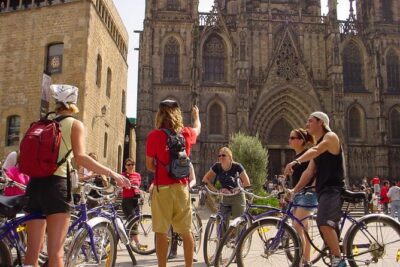
Highlights & Hidden Spots of Barcelona Bike Tour w/ Local Guide
Read our review →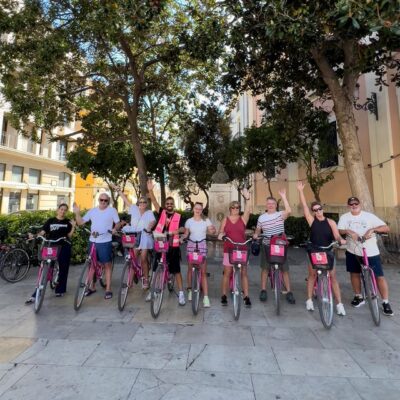
3 h. Guided Highlights Bike Tour with Optional Tapas
Read our review →
Barcelona 3-hour Bike or E-Bike Tour: Highlights and Hidden Gems
Read our review →Browse the lists this tour appears in