
Review · MOUNTAIN BIKE TOURS
La Paz: Mountain Bike Down the World’s Most Dangerous Road
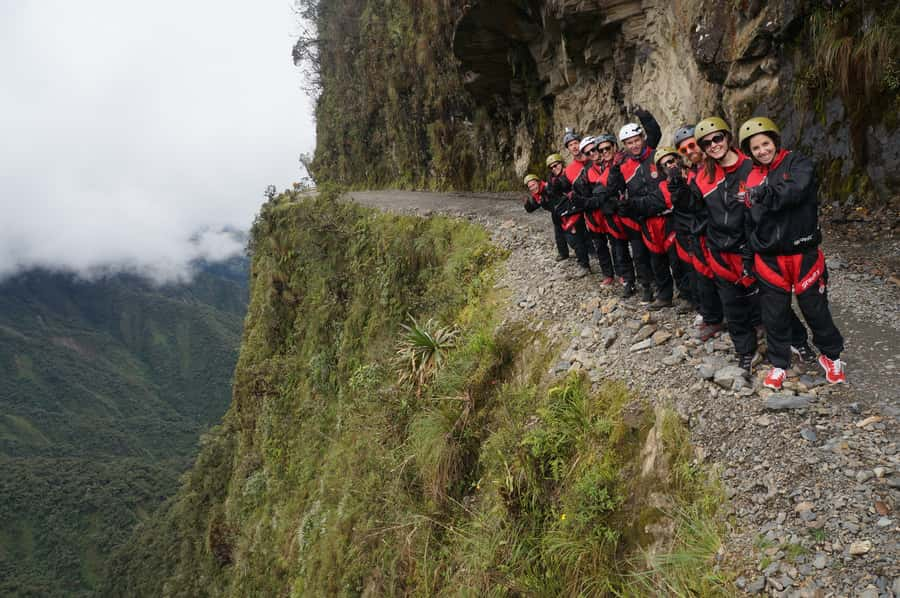
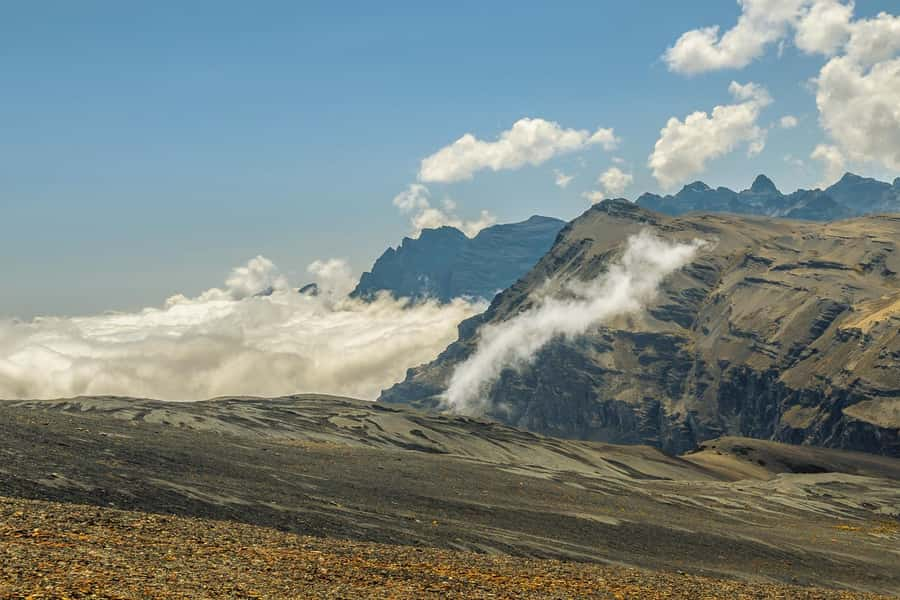
Death Road earns its name with a narrow dirt track cut into a mountain wall, steep drops, mist, loose rock, and no room for careless riding. Yet the day begins on a broad paved road high above La Paz, where snow peaks and grazing llamas set a surprisingly calm tone before the rough stuff begins.
I like two things right away: the excellent bikes and repeated brake checks, and the support van that stays with the group. Guides such as Damien, Kenny, Noel, and Ruben are praised for clear instructions, humor, and close attention to nervous riders. The drawback is the price, $145, plus 50 bolivianos for road tax. The return to La Paz can also make this a very long day.
Key things to know before riding Death Road
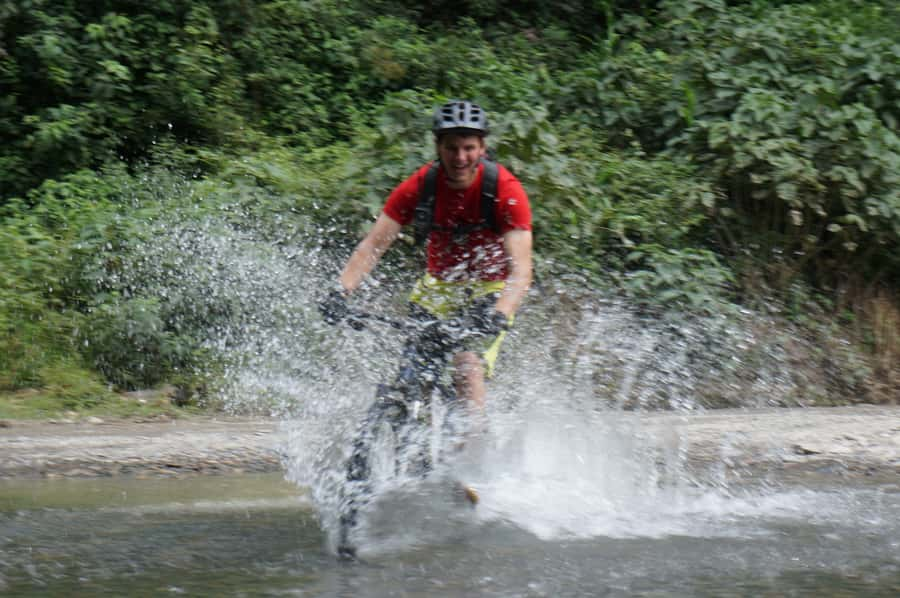
- The ride drops from 4,700 meters to the Yungas, with about 64 kilometers of changing scenery and road surface.
- A mechanic joins every group, checking bikes during stops while you rest, eat, and take photographs.
- The support vehicle follows the ride, and you can board it at any point if you need a break.
- The hardest section is the old dirt road, a narrow mountain shelf descending about 2,000 meters through mist, dust, and jungle.
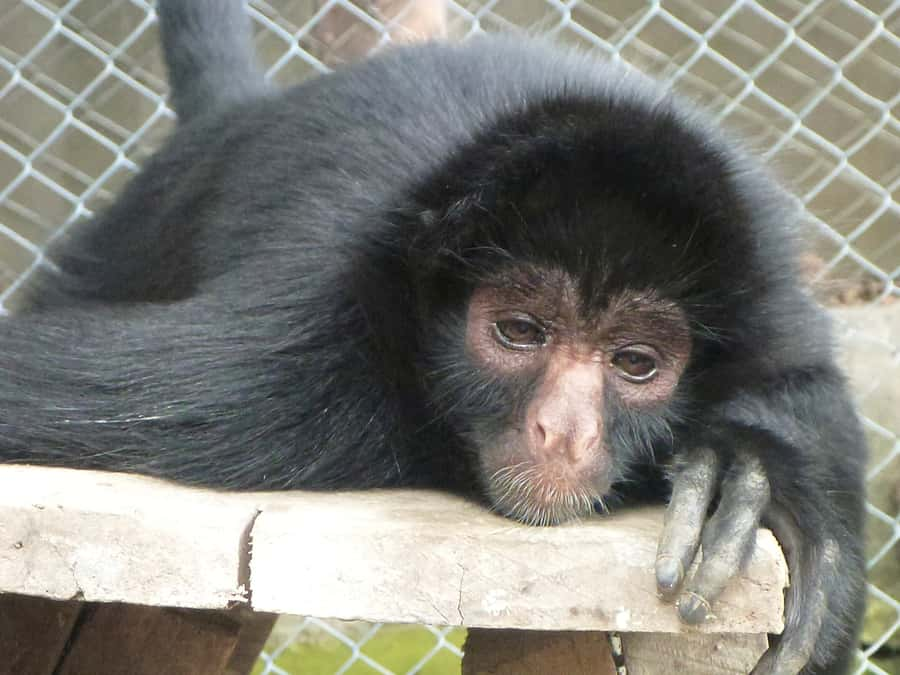
- Lunch is served at La Senda Verde Animal Refuge, with rescued monkeys, birds, capybaras, and an Andean spectacled bear.
- The small group limit is 14 people, with English and Spanish guides, a mechanic, and a private safety vehicle.
Starting above the clouds at La Cumbre
Your day begins in La Paz, meeting outside Café del Mundo. Breakfast is included, with meat, eggs, ham and cheese, vegetarian, and vegan choices. It is a useful start because the first part of the day takes you to La Cumbre at 4,700 meters, where the air is thin and the cold can bite.
Transportation takes you uphill from La Paz. At the starting point, you receive your bike and safety gear: helmet, gloves, elbow and knee pads, and cold or wet-weather clothing. Full-face helmets are available, and the bikes use full suspension and hydraulic disc brakes.
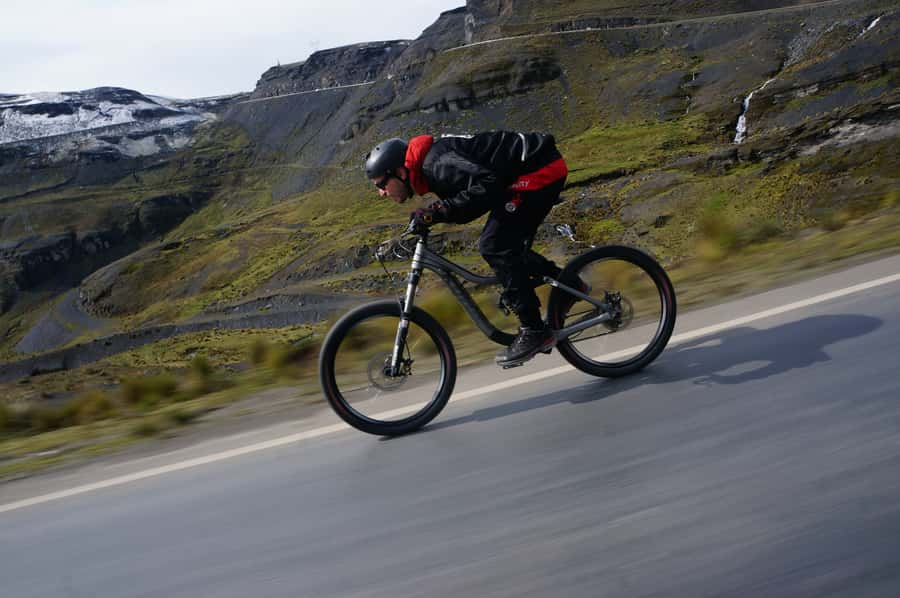
The opening scene is not the jungle. It is high Andean country, with wind, wide views, snow-covered peaks, llamas, alpacas, and small settlements. You begin on asphalt, descending among mountain ridges. This section lets you settle into the bike before the road becomes rougher.
If you are new to mountain biking, use this time to ask questions and practice braking. The guides explain how to handle the next sections, and they keep the group moving at a pace that does not force everyone into a race. That matters here. Speed looks tempting, but control is the skill you need most.
More Mountain Bike Tours in the world:
- From Ubud: Downhill Bike Tour with Rice Terraces and Meal
★ 4.9 · 664 reviews - Waimea Canyon Downhill Bike Ride
★ 5.0 · 650 reviews - Ubud: Downhill Cycling with Volcano, Rice Terraces and Meal
★ 5.0 · 536 reviews
The paved descent gives you time to settle in
The first part of the 64-kilometer route is fast and scenic. You roll down twisting asphalt while the scenery shifts from bare, cold heights toward greener slopes. The road has bends and traffic, so you still need to pay attention, but it is a more forgiving introduction than the old Death Road section.
Stops break up the ride. You pause for water, snacks, photographs, and brief rests. The mechanic checks tires, brakes, and other parts of the bike while you take in the views. That routine is one of the strongest practical reasons to choose a well-run operator for this route.
The gear list is generous. You receive a jacket and pants for cold or wet weather, gloves, protective pads, a helmet, unlimited water, and a buff to keep. Bring warm layers anyway. The temperature difference between La Cumbre and the Yungas is huge, and weather can change quickly.
You should also bring sunglasses, sunscreen, insect repellent, hiking shoes, a daypack, cash, your passport or ID card, and a complete change of clothes. You will probably finish dusty and sweaty. A change of clothes is not a luxury here.
Entering the old dirt road
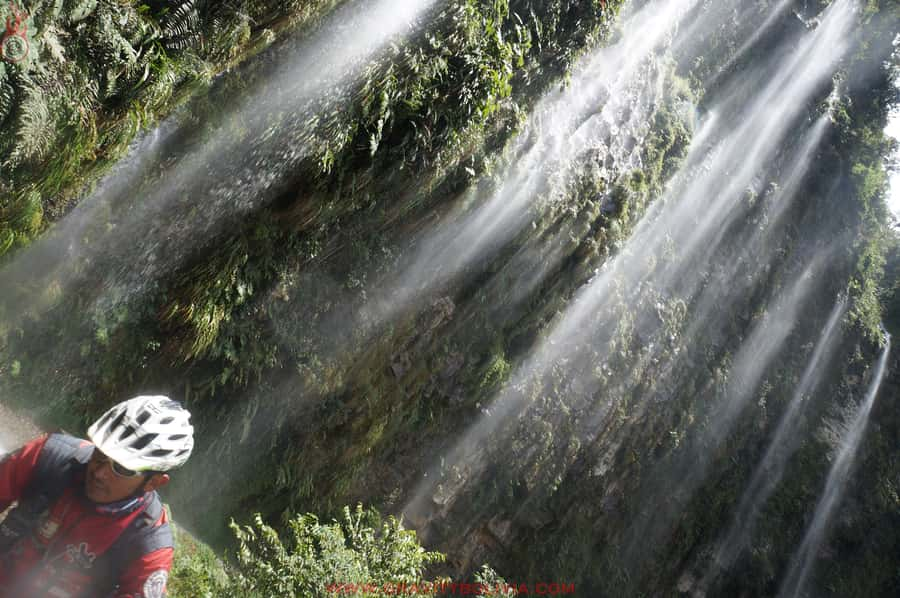
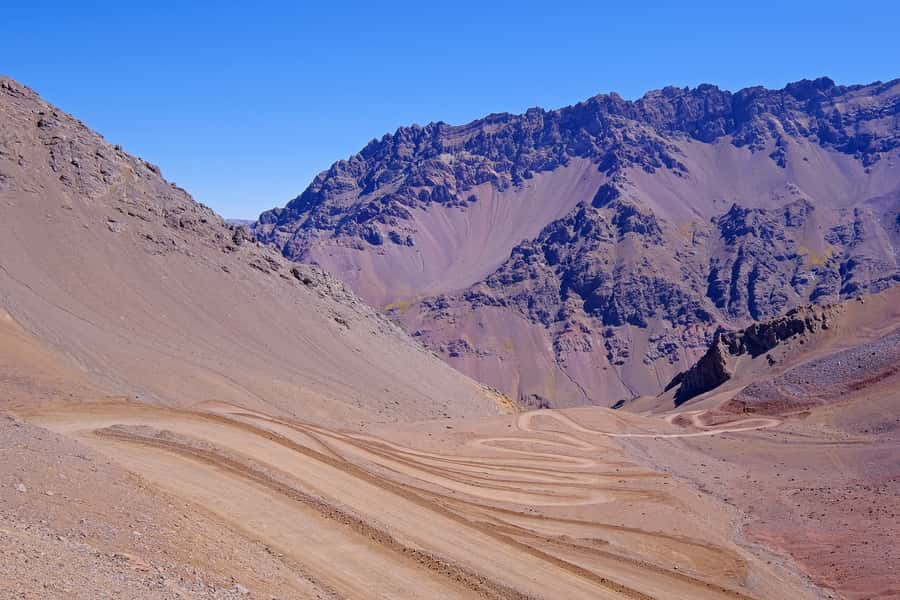
The famous section begins after an undulating stretch. The pavement gives way to a narrow dirt road carved into the mountainside. This is where the name Death Road makes sense. The route drops around 2,000 meters through mist, low cloud, dust, cliffs, and sharp turns.
The road is not difficult because you must pedal hard. Much of the route is downhill. It is difficult because you need to manage your speed, line, balance, and nerves for a long time. Loose surfaces and wet patches can make the bike move differently from the way it did on asphalt.
The guides stop before important sections to explain what is ahead. They point out road conditions, give braking advice, and make sure you know where to ride. You can choose a pace that feels safe for you. Confident riders may move quickly, while cautious riders can take more time.
The support van is a major comfort. It follows the group and carries equipment, clothing, and water. If you are tired, cold, uncomfortable, or simply done with riding, you can get on the bus. The guide can also put you on it if continuing would be unsafe for you or the group.
That safety option does not remove the risk. You are still cycling on a genuinely exposed mountain road. Stay behind the guide’s instructions, control your speed, and do not treat the ride as a contest. The route rewards care far more than bravado.
Why the guide and mechanic team matters
Each group has one guide, one mechanic, and a private safety vehicle. The guides have more than 20 years of experience on the road, and the company says it follows international safety standards. The small group limit, a maximum of 14 people, makes it easier to receive attention at stops.
The guide names that come up often include Damien, Kenny, Noel, Ruben, Kenneth, Abel, and Marcio. Names and group combinations vary, but the important pattern is consistent: the guide is expected to explain the road clearly, watch the group, help less experienced riders, and keep the mood relaxed.
The mechanic is not there for decoration. During breaks, the bike is checked while you rest your hands and take pictures. Several riders have singled out the suspension, tires, and brakes as being in very good condition. That is valuable on a rough downhill route, where a small equipment problem can quickly become a serious nuisance.
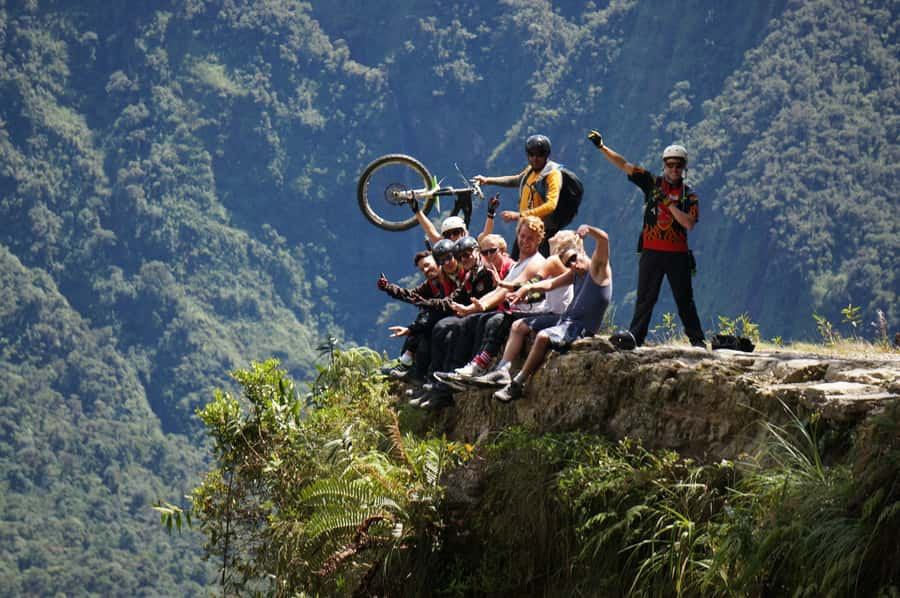
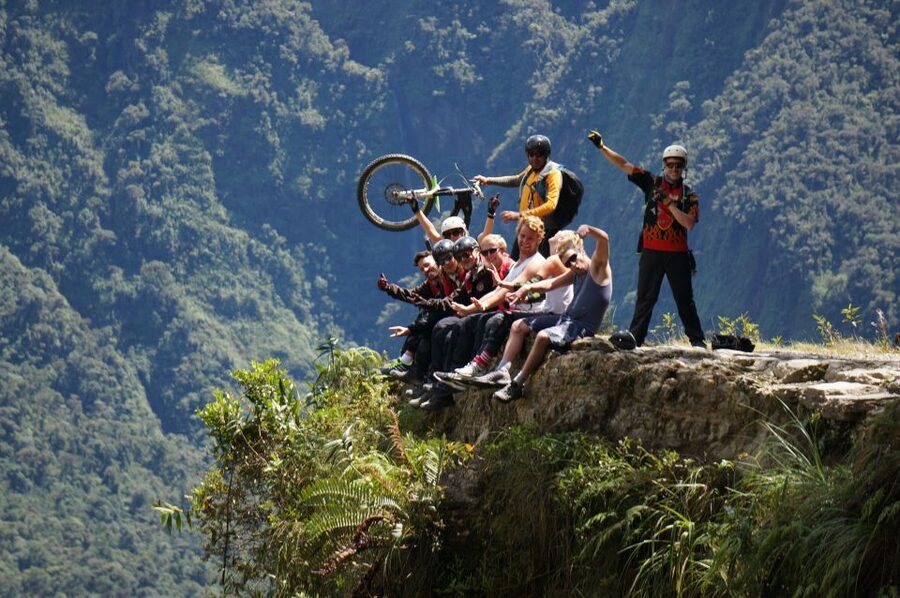
The photographers are also part of the experience. Hundreds of photos from the day are uploaded and shared, so you can concentrate on riding instead of trying to handle a phone on a cliff road. The guides also take photographs and videos during the route. You should still bring a camera only if it can be carried safely.
More bike tours in the world:
- Lion City Bike Tour of Singapore
★ 5.0 · 6,211 reviews - Big Bike tour Amsterdam – See all in 3 unforgettable hours
★ 4.7 · 4,929 reviews - 3-Hour Porto Highlights on a Electric Bike Guided Tour
★ 5.0 · 4,392 reviews - Ninh Binh Full-Day Tour from Hanoi to Hoa Lu, Tam Coc & Mua Cave Via Boat & Bike
★ 5.0 · 4,384 reviews
The final run into the Yungas
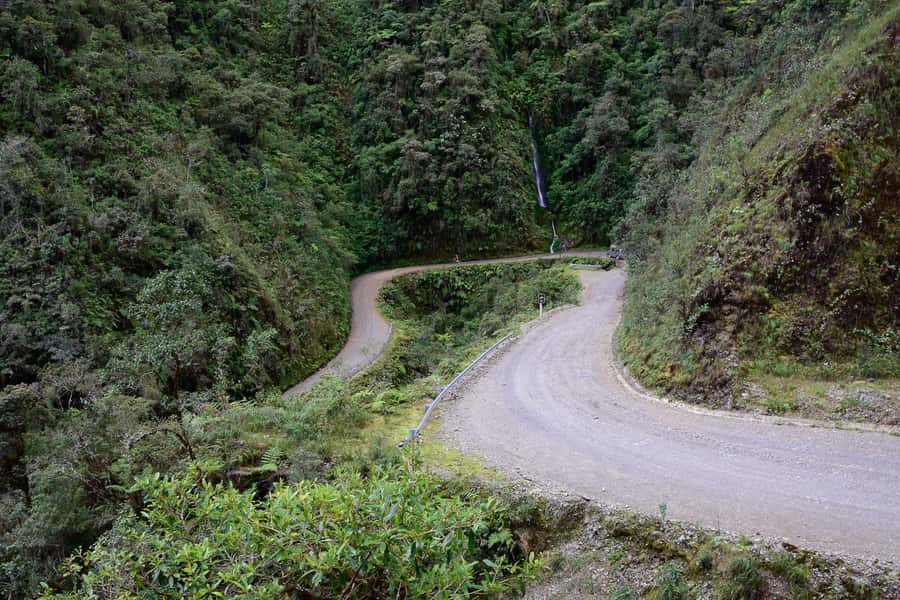
As you lose altitude, the air gets warmer. The high mountain views give way to thick vegetation, low cloud, and jungle. The road becomes dustier toward Yolosa, and you are likely to arrive hot, dirty, and pleased to be finished.
That change in climate is one of the day’s best features. You start in freezing high-altitude terrain and finish around 3,500 meters lower in a warm, humid part of Bolivia. The ride feels like a journey through several climate zones, not simply a downhill sports outing.
It is also the point where fatigue can affect judgment. Your legs may not be exhausted from pedaling, but your arms, hands, and concentration have worked for hours. Take the final sections seriously. The support vehicle remains available, and using it is sensible if you are losing focus.
Lunch and animals at La Senda Verde
After reaching the bottom, you continue to La Senda Verde Animal Refuge. The stop includes a buffet lunch, and the food has been a strong part of the day for many people. Options earlier in the morning include meat-based, vegetarian, and vegan breakfasts, while lunch is served at the refuge.
The sanctuary is more than a convenient finish line. La Senda Verde rescues animals from the black market, and your entrance helps support that work. You may see hundreds of monkeys, birds, capybaras, and an Andean spectacled bear. The setting also gives you a chance to cool down and enjoy the Yungas without balancing on a bike.
Hot showers, towels, and shampoo have been available at the refuge, according to the supplied trip details from past departures. Bring your change of clothes so you can make proper use of them. A cold drink, lunch, shower, and animal visit make a welcome finish after several hours on dirt.
A zipline may be available to purchase separately on the day. It is not included in the $145 price, so treat it as an optional extra rather than part of the core experience.
Is $145 good value?
This is one of the more expensive Death Road trips. A cheaper operator may offer the same broad route, but the price difference can buy important things on a ride like this: newer bikes, regular mechanical checks, protective gear, a support van, a mechanic, food, drinks, photographs, and a safety-focused guide team.
You also receive breakfast, two snacks, unlimited water, lunch, the sanctuary entrance, transportation from La Paz, and a buff to keep. Road tax costs an additional 50 bolivianos. The cost is easier to justify if you value equipment and support rather than simply wanting to reach the bottom as quickly as possible.
The main value is not luxury. It is reduced hassle. You do not need to arrange a bike, helmet, pads, vehicle backup, food, or a way to carry your clothes. You can focus on the ride and let the team handle much of the practical work.
The tradeoff is time. Stops are frequent, and the group does not rush through the route. After lunch, the drive back to La Paz can take several hours. Some departures have returned around 8:30 p.m., so do not schedule an important evening activity afterward.
Who should book this ride?
You should be able to ride a bicycle confidently, but you do not need years of mountain-biking experience. People on only their second mountain-bike outing have completed the route with guide support. You do need to accept that this is a serious physical and mental challenge, not a gentle sightseeing ride.
It is a good fit if you want dramatic scenery, a strong sense of adventure, and a carefully managed activity. It also suits riders who appreciate a small group, regular breaks, photography, and the chance to stop at an animal refuge.
It is not suitable for people who cannot ride a bike, wheelchair users, people with mobility impairments, pregnant women, or anyone under 120 centimeters tall. If you are unsure about your ability, tell the guide early. The van gives you an exit, but you should not count on it as a substitute for basic bike control.
Free cancellation is available up to 24 hours before the activity, and you can reserve now and pay later. The meeting point is outside Café del Mundo, and guides speak English and Spanish.
Should you book Gravity Bolivia?
Book it if you want the safest, best-equipped version of a famously risky road and are willing to pay more for that care. The repeated bike checks, private support vehicle, mechanic, protective equipment, experienced guides, and flexible pacing all have real value here.
I would especially choose this trip if you are nervous about the road, new to downhill biking, or want photographs without stopping to manage your own camera. Damien, Kenny, Noel, Ruben, and the rest of the guide team have earned strong praise for patience, humor, and clear safety instructions.
Skip it if you dislike long days, dirt, exposure, rough roads, or a late return to La Paz. But if the idea of starting among snowy peaks, descending through cloud and jungle, then ending with lunch and rescued animals appeals to you, this is a memorable use of a day in Bolivia.
FAQ
How long is the Death Road experience?
It is a one-day activity. The ride covers about 64 kilometers, followed by lunch and a visit to La Senda Verde Animal Refuge. The return drive to La Paz can make the day quite long.
How high does the ride start?
The ride starts at La Cumbre, about 4,700 meters above sea level. It finishes in the Yungas roughly 3,500 meters lower.
What equipment is included?
You receive a full-suspension downhill mountain bike with hydraulic disc brakes, a helmet, mountain-bike gloves, elbow and knee pads, cold and wet-weather clothing, and a buff. Full-face helmets are available.
Is there a support vehicle?
Yes. Each group has a private safety vehicle that follows the ride. You can get on the bus during the tour if you need a break, and the guide may require you to use it for safety reasons.
What food and drinks are included?
Breakfast at Café del Mundo, two snacks during the ride, unlimited water, and a box lunch are included. Breakfast includes meat, eggs, ham and cheese, vegetarian, and vegan choices.
What happens at La Senda Verde Animal Refuge?
You have lunch, visit the refuge, and can see animals such as monkeys, an Andean spectacled bear, capybaras, and birds. The entrance fee supports the refuge’s work rescuing animals from the black market.
Is the zipline included?
No. A zipline may be available as an optional purchase on the day. It is not included in the tour price.
Latest bike tours added in the world
- Brooklyn Neighborhoods Small-Group Bike Tour★ 5.0 · 137 reviews
- The Best of Bristol Bike Tour★ 5.0 · 39 reviews
- A Day in Brooklyn Bike Tour★ 5.0 · 59 reviews
- Hudson Valley Craft Brewery Bike Tour★ 5.0 · 23 reviews
- Brisbane Kayak, Bike★ 4.5 · 23 reviews
- Brisbane Electric Mountain Bike Experience Tour★ 5.0 · 48 reviews
- 2 Hour Private Brisbane Mountain Bike Coaching Session and Ride★ 5.0 · 24 reviews
- Private Bike Tour with Olive Oil Tasting★ 4.5 · 15 reviews
Mountain Bike Tours, compared.
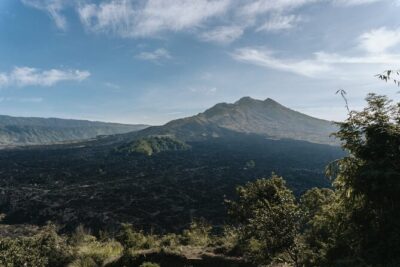
Downhill Cycling with Volcano, Rice Terraces and Meal
Read our review →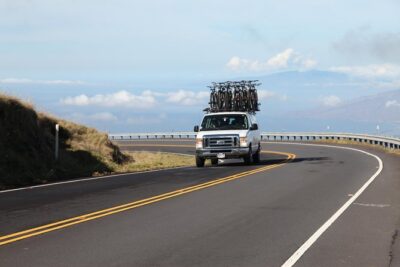
Best Haleakala Downhill Self-Guided Bike Tour with Maui Sunriders
Read our review →
Downhill Bike Tour with Rice Fields, Volcano and Meal
Read our review →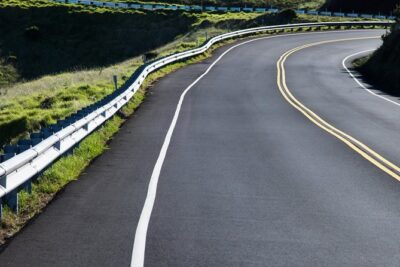
Maui Haleakala Sunrise Downhill Bike Tour with Mountain Riders Rated #1
Read our review →
Chiang mai Hike & Downhill Bike Adventure –Suthep National Park
Read our review →Browse the lists this tour appears in