
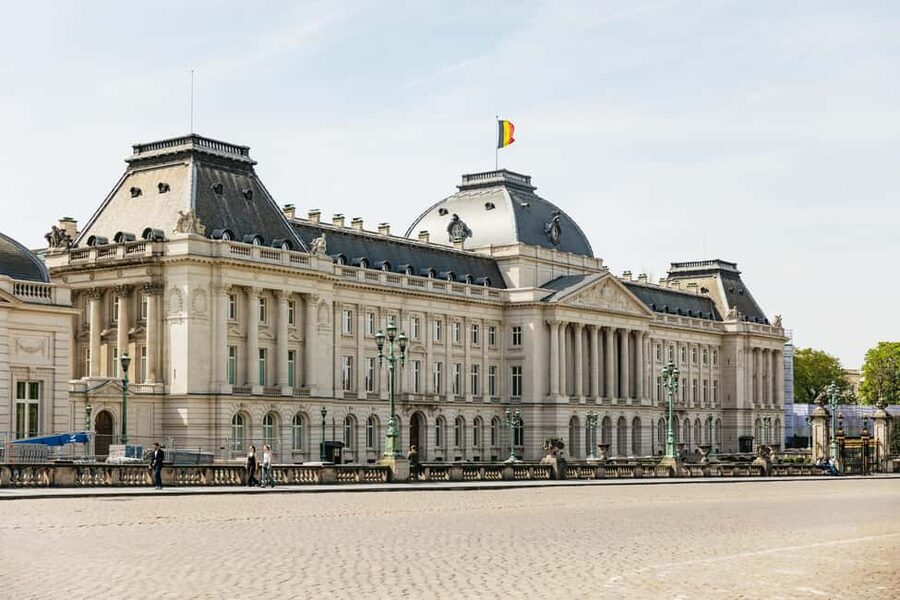
Review · CITY HIGHLIGHTS BIKE TOURS
Brussels: City Highlights and Hidden Gems Bike Tour
Brussels reveals itself best at street level, and this three-and-a-half-hour bike tour gets you beyond the postcard center. You ride through historic streets, quieter neighborhoods, and nearby municipalities, with plenty of stops for stories and questions. Guides such as Philippe, Philip, René, and Andrea are known for relaxed pacing and a personal feel.
I like the mix of major sights and overlooked places, and I like the mid-tour café break, which gives your legs a rest and lets you chat with the group. The main thing to consider is the weather: the tour runs rain or shine, and Brussels has a few hills, so an electric bike may be worth requesting in advance.
Key points at a glance
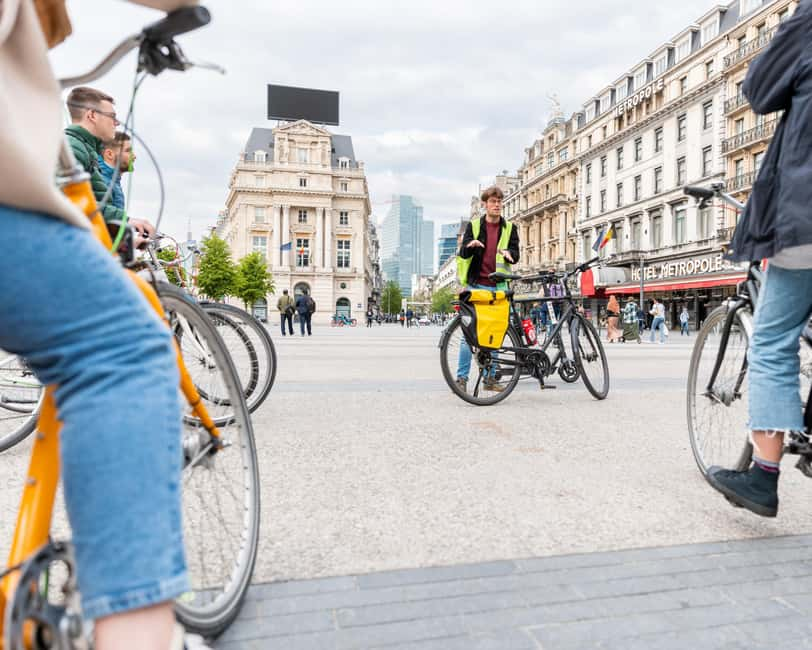
- Three and a half hours on two wheels: The 210-minute route covers much more ground than a walking tour while keeping a gentle pace.
- A broader Brussels view: You move beyond the central sights into neighborhoods and corners you might not find alone.
- A useful café stop: The break halfway through is ideal for resting, chatting, and getting a taste of local café life. Your drink is not included.
- Good bikes and helmets included: You choose from a selection of city bikes, with sizing handled before departure.
- Guides who tailor the ride: Guides have adjusted routes for weather, closures, cycling ability, and group interests.
- A nonprofit spirit: Cactus Brussel à Vélo operates as a nonprofit, with volunteer guides who lead from a genuine love of Brussels and cycling.
Why a bike is the right way to see Brussels
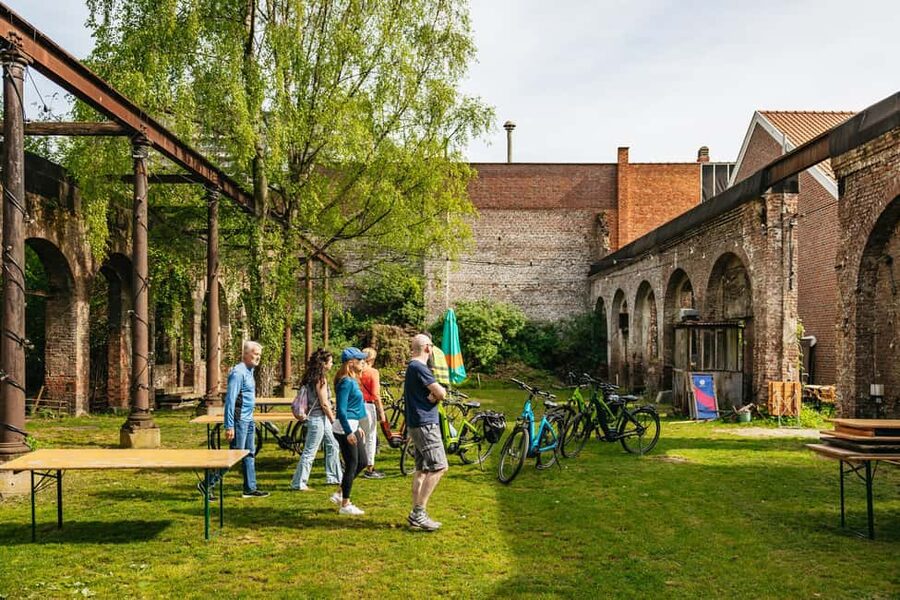
Brussels is compact enough to explore on foot, but its neighborhoods are spread out. A bike lets you link the historic center with less-visited areas without spending half the day waiting for transport or climbing hills on foot.
The pace is designed for sightseeing, not exercise. You stop often for explanations, and several riders have found the route manageable even in mixed-ability groups. At crowded points, you may get off and walk the bikes. That is not wasted time. It keeps the group together and gives the guide a better chance to explain what you are seeing.
I especially like the way this format gives you a sense of how Brussels fits together. You are not only checking off buildings. You are seeing the transition between the central streets, residential areas, parks, and surrounding municipalities. One guide even extended the ride slightly when the group was enjoying itself, although the exact route and timing can vary.
The tour is not aimed at serious cyclists. It is a city sightseeing ride with a gentle rhythm. You need to be able to ride a bike, control it in city traffic, and manage a few inclines. If you are out of practice, you may still find it manageable, but ask about an electric bike before the tour rather than hoping one will be available on the day.
More City Bike Tours in Belgium:
- Antwerp: City Highlights Guided Bike Tour
★ 4.7 · 529 reviews - Bruges: Guided Retro Bike Tour of Highlights and Hidden Gems
★ 4.9 · 374 reviews - Guided Bike Tour: 2 Hours Highlights of Antwerp
★ 5.0 · 347 reviews
Starting at Grand Hospice
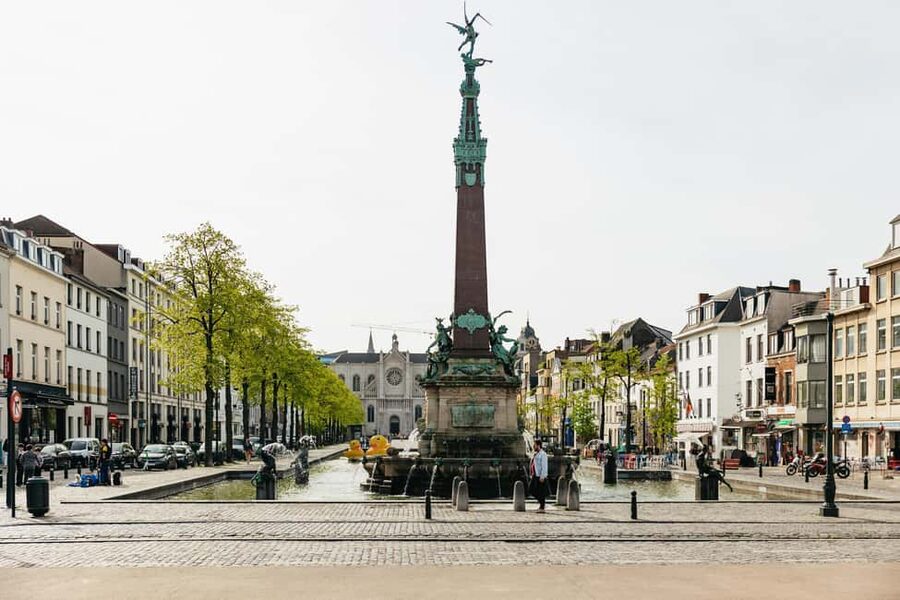
Your guide waits in front of Grand Hospice, next to the fountain. This meeting point puts you in the city center and makes a convenient starting place for a first look at Brussels.
After introductions, you choose a city bike from the available selection. Helmets are included, and the bikes are checked and matched to riders before setting off. The bikes have generally been described as comfortable and easy to handle, but one rider had to change bikes midway and found the replacement less comfortable. That is a useful reminder to speak up early if the saddle or riding position does not feel right.
The guide also sets the tone. Names you may encounter include Philippe, Philip, René, Renaad, Andrea, Johan, Michel, and Maria, depending on the departure. The strongest guides combine facts with humor and conversation rather than delivering a stiff lecture. Several have adapted the route around park closures or weather, which matters in a city where conditions can change quickly.
The tour is offered in Dutch, French, and English. Ask questions as you go. The guides are used to discussing not only history and architecture, but also local neighborhoods, food, city infrastructure, and ideas for the rest of your stay.
The central streets and familiar Brussels sights
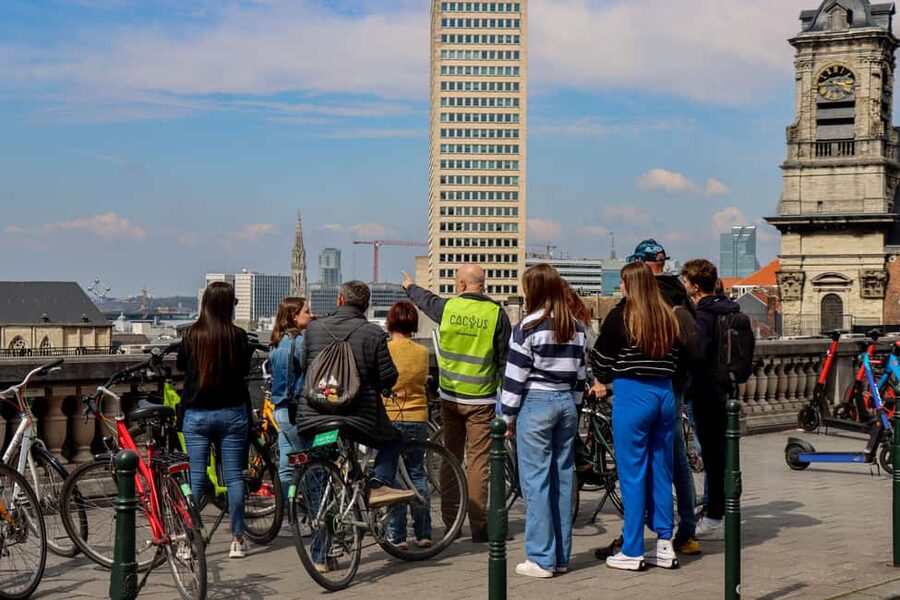
The opening part usually gives you a broad introduction to Brussels. You wind through historic streets and pass important city sights while learning how the Belgian capital developed. The exact sequence is not fixed in the information provided, so you should not book this expecting a rigid checklist of named monuments.
That flexibility is one of the tour’s strengths. Guides have changed sections of the route for closures and weather, while still keeping the focus on the city’s character. You get an overview rather than a scripted dash from one landmark to another.
The guide stops to explain buildings, streets, and the way the city has changed. You may hear about Belgian and Brussels history, architecture, urban planning, and the relationship between the old center and newer districts. The best moments come when a detail on a building or a street corner opens up a wider story.
If you are visiting Brussels for the first time, this early overview is useful. It gives you a mental map for later walks and helps you decide which areas deserve a longer visit. Several riders found it especially helpful early in a trip, since the guide can also suggest places to eat and other sights to explore.
Beyond the usual route
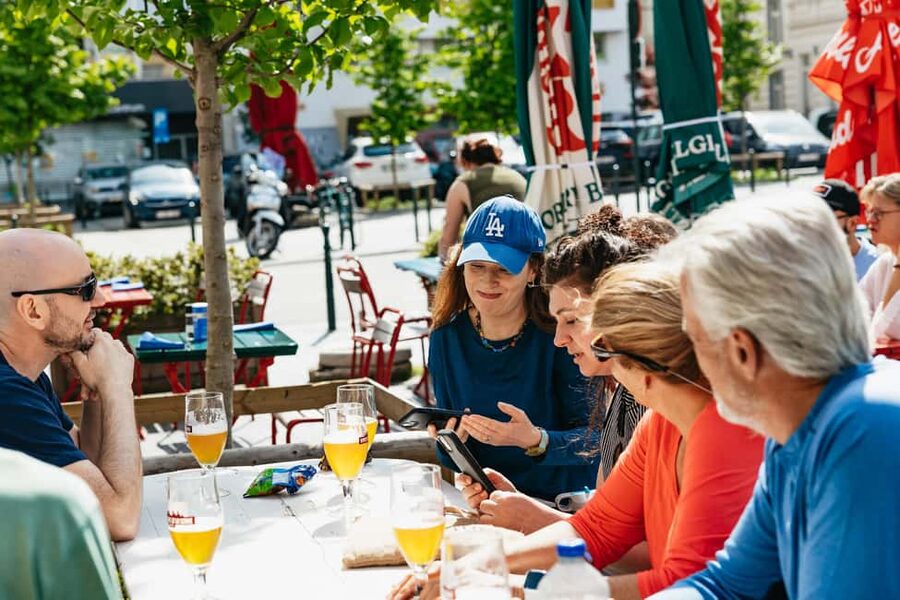
The heart of this experience is the move away from the standard sightseeing circuit. You ride into areas that do not always appear in a short city-center visit, including distinctive neighborhoods and lesser-known sites.
I would book this tour for the broader view rather than for a guaranteed list of famous landmarks. Some riders specifically liked seeing the back end of Brussels and places they would not have found alone. The route can show you how local life fits around the tourist center, with streets and districts that feel less polished and more ordinary.
That does not mean the ride lacks history. The guides connect overlooked places to Brussels’ past and its urban changes. One particularly memorable stop described by a rider was an underground cemetery. That kind of unusual site is exactly what can make a city bike tour stick in your mind, though the route may differ from one departure to the next.
The less-famous stops also make the tour feel more personal. A guide might spend time on a neighborhood detail, answer a question about local life, or add a stop because the group is interested. This is where a volunteer-led tour can be especially appealing. The guides are not simply moving you from one paid attraction to another. They are sharing the places they care about.
More bike tours in Belgium:
- Ghent Bike Tour Off-the-beaten-track
★ 5.0 · 505 reviews - Ghent: Guided Urban Bike Tour
★ 4.9 · 297 reviews - Bruges: Guided Bike Tour with a Local to Sights & Secrets
★ 4.8 · 278 reviews - Antwerp Bike Tours: The Highlights & Beyond
★ 4.8 · 207 reviews
The café break halfway through
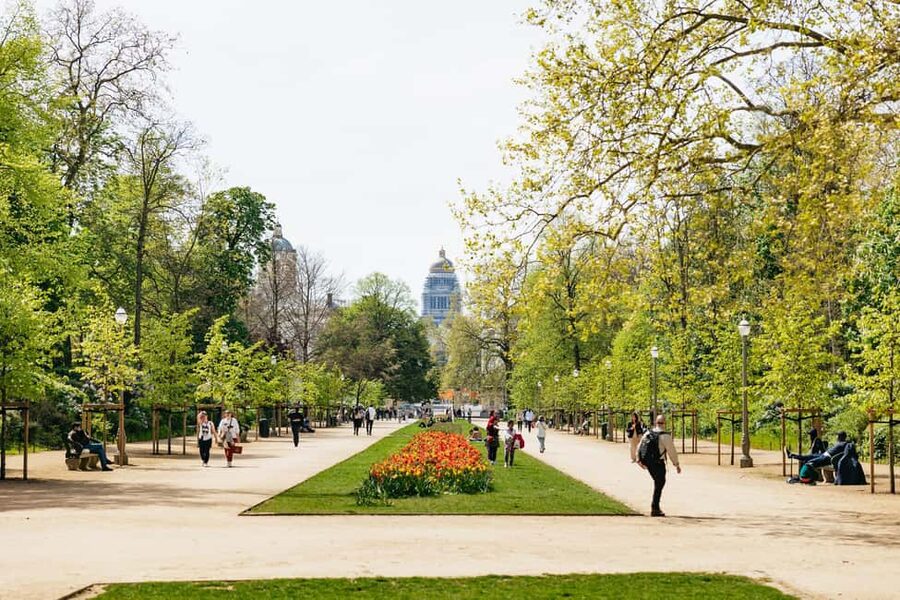
Around the midpoint, you stop at a cozy bar or café. Your drink is not included, so budget for it separately, but the pause adds real value to the outing.
Three and a half hours on a bike can feel long if every minute is spent riding. The café stop breaks the rhythm, gives you a chance to cool down or warm up, and lets you chat with the guide and other riders. It also gives the tour a more local feel than a standard sightseeing circuit.
This is a good time to ask about restaurants, neighborhoods, museums, or practical city questions. Guides such as Philippe and Andrea have been praised for making conversation easy and answering questions beyond the formal commentary.
The stop is also useful for families and mixed groups. Someone who is less comfortable cycling gets a proper rest, while confident riders still get a social pause. Do not expect a meal or a tasting experience. Think of it as a simple café break that supports the ride.
How difficult is the cycling?
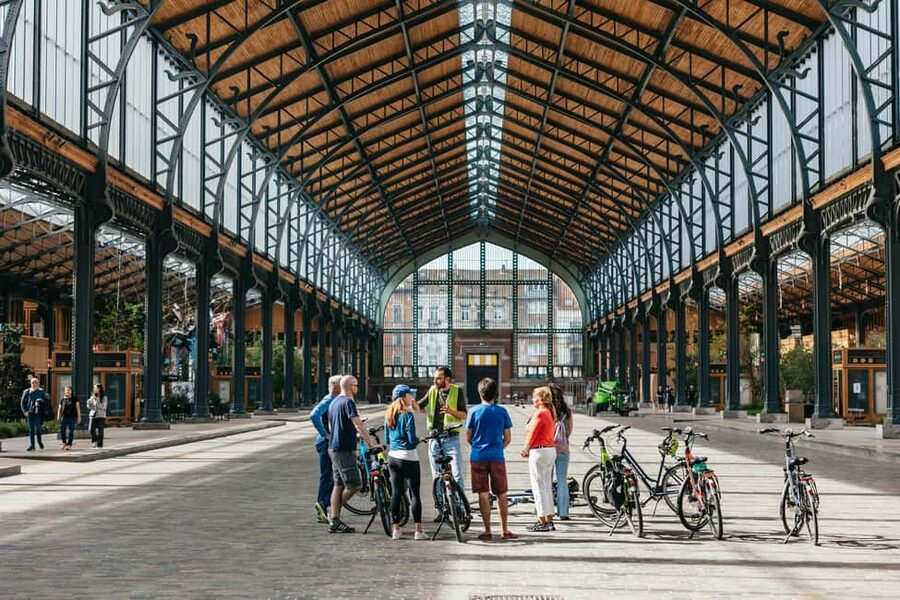
The route is generally described as leisurely, mostly flat, and suitable for a wide range of ability. That does not mean it is completely flat. Brussels has hills, and several riders have said an electric bike would have helped, particularly on warmer days or for anyone who is not in top shape.
You should be comfortable cycling on city streets. The route uses quiet roads when possible, but you will also pass through crowded sections and may need to walk the bike. The guides pay attention to the group and adjust the pace, which helps riders with different abilities stay together.
A family with an 11-year-old found the ride enjoyable, but the key requirement remains simple: you must be able to ride a bike. The experience is not suitable for someone who cannot cycle.
For the smoothest outing, wear clothing you can move in and shoes suitable for pedaling. Bring water, especially in summer. On very hot days, the route may use shaded sections when possible, but you should still prepare for heat. On wet days, you need rain protection because the tour operates in all weather.
If you have concerns about hills, message the guide about an electric bike before arrival. One rider specifically arranged one this way and was glad to have it. The supplied details do not promise an electric bike as standard, so treat it as a request, not a guarantee.
Guide quality and the nonprofit approach
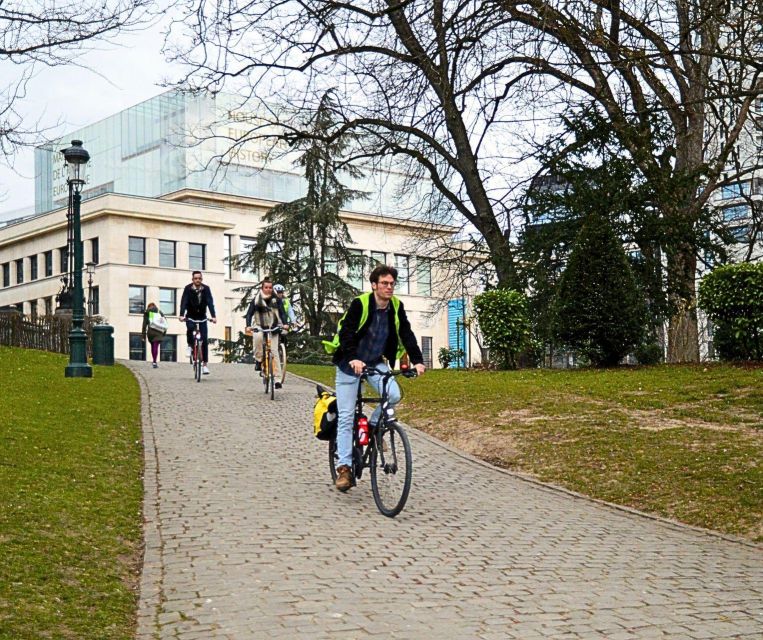
The guide is the biggest variable in any group tour, and here the human element is a major part of the appeal. The most praised guides include Philippe, Philip, René, Andrea, Johan, Michel, Maria, and others who bring their own interests and style to the route.
Some guides focus more on architecture. Others bring in local history, infrastructure, social changes, or neighborhood life. The common thread is an informal approach. You are likely to get explanation with humor and conversation rather than a long string of dates.
Cactus Brussel à Vélo is a nonprofit, and its guides volunteer. That does not remove the need for professional care, but it helps explain the warm, community-minded character of the experience. The value is not only the bike rental. You are paying for three and a half hours of local orientation, route planning, safety management, and access to a perspective you would be unlikely to build on your own in one afternoon.
The route can also be shaped by the group. Guides have added stops when riders asked, altered the course around closures, and adjusted the amount of commentary to suit the people present. That is excellent if you prefer a human tour over a fixed audio guide. It is less ideal if you want every stop guaranteed in advance.
Is $41 good value?
At $41 per person, the price is fair for 210 minutes when you count the bike, helmet, guide, and café pause. A shorter bike rental would not give you the same local context, and a private guide would usually cost much more.
The value is strongest if you want orientation. You cover a large portion of the city, hear how its neighborhoods connect, and collect ideas for the rest of your visit. The tour can save you time later because you are less likely to spend an afternoon searching for areas you could have reached directly.
The drink is extra, and you should not expect entrance tickets or a meal to be included. The main product is the ride and the guide’s interpretation. If you want museum interiors, a food tasting, or a tightly scheduled list of famous landmarks, another tour may suit you better.
The flexible booking terms help if your plans are unsettled. You can reserve now and pay later, and cancellation is free up to 24 hours before the start for a full refund. The tour also skips a ticket line, although this is not a major factor for a cycling activity.
Best time to take the tour
I would take this ride near the start of a Brussels stay. The broad route gives you your bearings, and the guide’s suggestions can shape the next few days.
Summer offers longer days but can bring heat. One ride took place in temperatures above 30 degrees, with the guide choosing shaded sections where possible. Spring and autumn may be cooler and wetter, while winter departures can feel brisk on a bike. Since the tour runs rain or shine, check the forecast and dress for the day rather than assuming the weather will cooperate.
The experience works for solo visitors, couples, families with cycling children, and groups of friends. It is also a good way to meet people without committing to a formal evening activity. The café break gives everyone a natural chance to talk.
Small drawbacks to keep in mind
The tour is not fully predictable. Weather, park closures, group pace, and the guide’s choices can change the route. That is good for flexibility, but it means you should not treat the tour as a guaranteed monument-by-monument itinerary.
Brussels traffic and crowded areas can interrupt the flow. You may need to walk the bike, especially in busy sections. The ride is mostly gentle, but hills remain a concern for some people. Request an electric bike ahead of time if that would make the difference between enjoying the day and struggling through it.
Bike comfort can vary. The initial fitting should help, and you can ask for an adjustment or a replacement if needed. Do not quietly tolerate a poor saddle or wrong frame size for three and a half hours.
Finally, the tour goes ahead in rain. That is not a flaw in the operator’s planning, but it is a real condition of booking. Bring suitable clothing or choose a different activity if wet-weather cycling would spoil your day.
Should you book the Brussels bike tour?
Book it if you want to see more than the central postcard sights, hear local stories, and get a useful sense of Brussels in one relaxed outing. The strongest reasons are the gentle pace, the lesser-known neighborhoods, the café break, and the guides’ ability to adapt the route.
I would especially recommend it for a first visit, active families, solo visitors, and anyone who likes cities best when moving through ordinary streets as well as grand ones. It is also good value for $41, given the bike, helmet, guide, and 210-minute format.
Skip it if you cannot ride, dislike cycling in city traffic, need a guaranteed list of named attractions, or do not want to risk rain. If you can handle a bike and are willing to accept a flexible route, this is one of the more useful ways to get your bearings in Brussels.
FAQ
Where does the Brussels bike tour meet?
Your guide waits in front of Grand Hospice, next to the fountain, in the city center.
How long does the tour last?
The tour lasts 210 minutes, or three and a half hours.
What languages are available?
The live guide may lead the tour in Dutch, French, or English.
Is bike rental included?
Yes. Bike rental and a helmet are included, and you can choose from a selection of city bikes.
Is the café drink included?
No. The café or bar stop is part of the experience, but your drink is not included in the price.
What happens if it rains?
The tour operates rain or shine. Prepare with suitable clothing, since the activity provider is not responsible for damage or injury.
Latest bike tours added in Belgium
- Antwerp Bike Tours★ 5.0 · 200 reviews
- 3-Hour Antwerp Bike Tour★ 5.0 · 113 reviews
- Ghent: City Highlights and Hidden Gems Guided Bike Tour★ 4.7 · 196 reviews
- From Bruges: Family-Friendly Countryside Guided Bike Tour★ 4.8 · 15 reviews
- Brussels: Sightseeing Bike Tour★ 4.7 · 106 reviews
- Bruges: City Bike Tour with a Local★ 5.0 · 116 reviews
- Bruges by bike with family and friends!★ 4.4 · 22 reviews
- Bruges: E-Bike Rental and Trip Tips★ 5.0 · 12 reviews
City Highlights Bike Tours, compared.
3-Hour Porto Highlights on a Electric Bike Guided Tour
Read our review →
City Highlights 3-Hour Guided Electric Bike Tour
Read our review →
Highlights & Hidden Spots of Barcelona Bike Tour w/ Local Guide
Read our review →
Sights and Highlights Bike Tour with a Local Guide
Read our review →
Highlights 3 Hour Bike Tour with a Local Guide
Read our review →
Browse the lists this tour appears in