
Review · COFFEE EXPERIENCES
Coffee and Gastronomic Bike Tour in Antigua
Antigua’s coffee country is close enough to reach by bicycle, and this tour makes the trip about much more than caffeine. You ride fat-tire bikes over cobblestones and country roads, tour Finca La Azotea, taste local food, and visit the village of San Felipe de Jesus. The coffee plantation and museum are the main event, but the sweets, chocolate, and fermented drinks give the outing a wider look at Guatemalan food culture.
I like two things here: the small maximum of nine people, which allows guides such as Pablo, Carlos, Diego, and Farrah to keep the ride personal, and the way the tour links coffee with local community life. The money also supports community projects, including work connected with a high school in a nearby village.
The main drawback is the cycling itself. Antigua’s cobblestones can be rough, traffic requires attention, and the bikes are heavy. Most reasonably active people can manage the ride with breaks, but this is not a gentle sightseeing loop, and some people find there is less open-country biking than expected.
Key points to know before you book
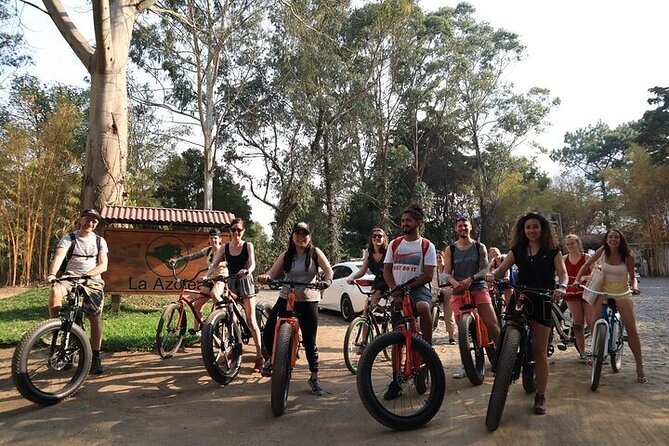
- Finca La Azotea is the centerpiece: Ride among coffee plants and shade trees, then follow the bean from picking through drying, roasting, and tasting.
- The tour includes more than coffee: Expect chocolate, traditional candies, savory snacks, coffee ice cream, and several local drinks.
- Cobblestones are part of the workout: Fat tires help, but uneven streets and traffic make the ride demanding for anyone out of practice.
- San Felipe de Jesus adds a local angle: Visit a handicrafts market and learn about wood, clay, and traditional candy making.
- The group stays small: The maximum is nine people, and the tour lasts about four hours.
- You finish back in Antigua: The meeting point is at 25 A, 2a Calle Poniente 25, and the final touch is a complimentary cold beer.
Why this Antigua bike tour feels different
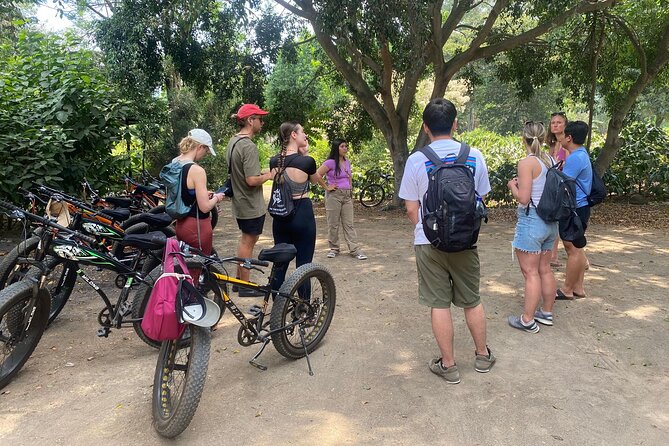
Many coffee excursions near Antigua rely on a vehicle to carry you from town to plantation. This one puts you on two wheels, so the transition from colonial streets to farmland becomes part of the experience.
That has real benefits. You see more of the area at street level, stop to look around, and get a better sense of the distance between Antigua and the surrounding villages. It also gives the tour a little more energy than a standard plantation visit.
The tradeoff is plain: cycling in Antigua takes work. The old streets are made of uneven cobbles, and traffic can make the ride out of town tense for the first part. The wide tires help absorb some of the bumps, and guides lead the group through the streets, but you still need to feel comfortable on a bicycle.
The tour is limited to nine people, which matters on a ride like this. A guide can watch the group more closely, help with street crossings, answer questions, and adjust the pace when needed. Guides named Pablo, Carlos, Diego, and Farrah have each been praised for keeping the experience informative and friendly, though your guide will depend on the date and departure.
More coffee stops in the world:
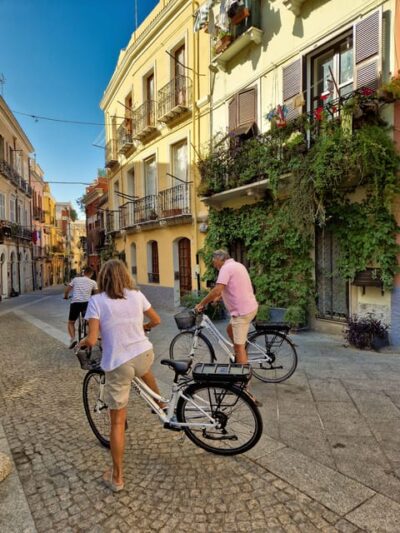
- Cagliari: 2-Hour Guided E-Bike Tour with Coffee
★ 4.7 · 240 reviews - Private 3 hour bike tour with coffee break
★ 4.5 · 38 reviews - Antigua Sip ‘n Cycle Half-Day Bike Ride and Coffee Tour
★ 4.9 · 23 reviews
The ride from Antigua to Finca La Azotea
The first stretch is the least relaxing part of the ride. Antigua’s cobblestones are hard on both rider and bicycle, and the streets require steady attention. One useful advantage of the fat-tire bikes is their stability, but do not mistake sturdy equipment for a completely easy ride.
You should be comfortable riding for several hours and willing to take short breaks. One account described the trip to the plantation as challenging because of the heavy bikes, uneven streets, and traffic. Another found the pace manageable with pauses. Both impressions can be true: a fit rider may find the ride straightforward, while someone who rarely cycles may feel the effort quickly.
Once you reach the plantation, the mood changes. The route winds between coffee plants and shade trees, with a quieter setting and more room to ride. This is the section most likely to make the bicycle worthwhile. Instead of simply arriving at a farm, you move through the growing area and see how coffee fits into the surrounding countryside.
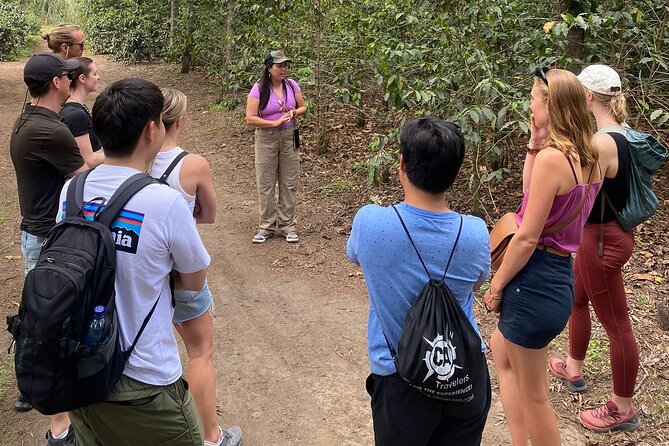
The ride is not only about exercise. Your guide explains the plants and the production process as you stop along the way. If you enjoy learning through movement rather than standing in a large group, this format works well.
Finca La Azotea, where coffee becomes more than a morning drink
Finca La Azotea receives about two hours of the tour, and that is the right proportion. The visit covers the plantation, the coffee museum, and tasting.
The plantation portion helps you understand that coffee is a long chain of careful steps. You learn about the bean from picking through processing, drying, roasting, and brewing. The tour also explains how different varieties and blends affect the cup.
The museum adds useful context rather than simply giving you a place to look at old equipment. Coffee has shaped Guatemala’s economy and rural communities, so seeing the work behind a cup gives the drink a human side. Several guides have also connected coffee production with the wider history and society of Guatemala.
The tasting is worth approaching with realistic expectations. Coffee is included, but the amount may be modest. Some people received one small cup and wished for more. If you are booking this mainly to sample a large range of coffees, you may leave wanting another pour. If you care more about the production story, the farm setting, and the chance to taste coffee at the source, the tasting fits the rest of the tour.
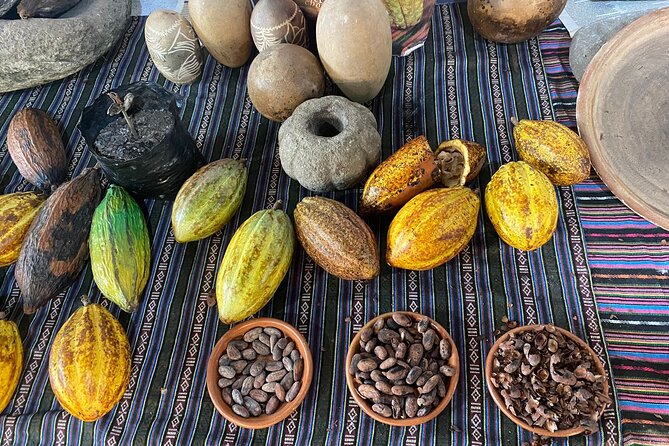
The stop may also include chocolate or a chocolate-making demonstration, with samples. The cocoa portion has been especially well received because it explains another local food tradition and adds a welcome change from coffee. You may taste coffee ice cream or other small treats as well.
I like this part because it turns a familiar product into a practical lesson. Afterward, you will look at a cup of coffee with more respect for the labor and decisions behind it.
San Felipe de Jesus and its everyday food traditions
After the plantation, the group rides about 10 minutes to the village of San Felipe de Jesus. This is not presented as a grand monument stop. Its value comes from the local market and the chance to see small-scale craft and food traditions.
At the handicrafts market, you learn about work in wood and clay. You also see how traditional Guatemalan candies are made. The candy demonstration gives the stop a hands-on quality, especially if you enjoy watching food made in a familiar setting rather than buying a polished souvenir in a shop.
The tasting portion can include sweets, savory food, tostadas, tacos, and other local bites. The exact selection may vary, since some stops are tied to small vendors and local availability. One group even chose to stop for doblado after seeing a woman prepare it over a wood fire. That kind of change is part of the appeal, though it means the experience may not follow a rigid restaurant-style menu.
You will also try fermented drinks called fresco de suchiles, described as Guatemala’s version of kombucha, along with other beverages. These tastings help explain local flavor preferences better than a formal lecture would. They are also a reason to come with curiosity. A fermented drink may taste unfamiliar, and the samples are part of the cultural lesson.
Food safety is a fair concern whenever a tour uses street vendors. The operator says its vendors are long-term partners and that the water served is filtered. Still, if you have a sensitive stomach or strict dietary needs, ask the guide what each item contains before tasting it. The supplied information does not give a vegetarian, vegan, allergy, or gluten-free menu.
More bike tours in the world:
- Lion City Bike Tour of Singapore
★ 5.0 · 6,211 reviews - Big Bike tour Amsterdam – See all in 3 unforgettable hours
★ 4.7 · 4,929 reviews - 3-Hour Porto Highlights on a Electric Bike Guided Tour
★ 5.0 · 4,392 reviews - Ninh Binh Full-Day Tour from Hanoi to Hoa Lu, Tam Coc & Mua Cave Via Boat & Bike
★ 5.0 · 4,384 reviews
What the food stops add to the coffee story
The food is not just filler between bicycle sections. Coffee, chocolate, candy, and fermented drinks all show how local ingredients become part of daily life and small businesses.
This is where the tour feels more personal than a plantation visit alone. You are not only looking at coffee plants. You are also meeting the wider food culture around Antigua, including the small stalls and craft workers that most visitors might pass without noticing.
There is a generous amount of tasting for the price, but do not confuse tasting with a full meal. Snacks are provided through the tour, yet the program is not described as lunch. If you need a substantial meal, eat beforehand or plan one after the beer at the end.
I also like the fact that buying is not the main point. You may have chances to purchase candy, chocolate, crafts, or coffee, but the experience is built around learning and sampling rather than a forced shopping stop. Bring a small backpack if you expect to buy something. A backpack can also be provided if needed.
Ending in Antigua with a cold beer
The final 30 minutes take place back at the CA Travelers office. The tour ends at the same place it begins, with a complimentary cold Gallo beer.
That simple ending works well after a four-hour ride and several food stops. It gives the group time to settle down, talk with the guide, and enjoy a drink before moving on with the rest of the day.
The tour begins and ends at 25 A, 2a Calle Poniente 25 in Antigua. It is near public transportation, although the activity itself is built around cycling rather than transfers. Confirmation is sent within 48 hours, subject to availability.
Price, group size, and what you get for $41
At $41 per person, this is a strong value if you want several experiences in one half-day. The price includes the bicycle tour, plantation access, museum admission, tastings, the village visits, and the final beer. You are paying for transport by bike, a guide, a coffee education, and a series of local food encounters.
A separate coffee plantation visit may offer a longer formal tasting, while a separate food tour may provide more dishes. This excursion sits between those two types. It gives you a useful coffee lesson, then adds enough food and culture to keep the day varied.
The value is best for someone who wants an active outing and does not want to spend the whole day in a vehicle. It is less compelling for someone seeking a serious coffee cupping, a leisurely bicycle ride, or a large meal.
The small group limit also helps justify the price. With no more than nine people, the guide can give individual help and keep the route together. The experience has been praised for guides who take photos, explain the area clearly, and share information about the community work supported by the company.
Who should book it, and who should think twice
You should consider this tour if you:
- Feel comfortable riding a bicycle on uneven streets
- Want coffee, chocolate, snacks, and drinks in one outing
- Prefer a small group to a large coach tour
- Enjoy learning about local production and daily life
- Want to support a locally run company with community projects
- Have about four hours available in Antigua
You may want another type of excursion if you:
- Have trouble with cobblestones, traffic, or heavy bicycles
- Want a slow, easy ride with little physical effort
- Expect extensive coffee tasting
- Need a fixed food menu for dietary reasons
- Prefer a formal historical tour with no political or social discussion
The guides generally focus on coffee, food, local history, and Guatemalan society. Some cultural conversations can touch on conflict, inequality, religion, or politics. If you prefer a strictly neutral food tour, make that clear at the start. The operator says political advocacy is not part of the program and that difficult historical subjects are presented as background.
The experience requires good weather and a minimum number of participants. If poor weather or low enrollment cancels the trip, you are offered another date, another experience, or a full refund. You can cancel for a full refund up to 24 hours before the start time. Most people can participate, but the cycling demands still matter more than the general accessibility note.
Should you book the Coffee and Gastronomic Bike Tour?
I would book this tour if I wanted a lively half-day that combines coffee farming with local snacks and a bit of exercise. The strongest parts are the ride through Finca La Azotea, the explanation of coffee from plant to cup, the small group, and the unexpected food stops around San Felipe de Jesus.
I would not book it expecting a gentle bicycle outing or a long coffee flight. The cobblestones can be tough, and the coffee tasting may be smaller than you imagine. Bring water, wear practical clothing, leave room for snacks, and start with realistic expectations.
For active visitors who want to see more than Antigua’s central streets, the $41 price buys a varied and unusually local afternoon.
FAQ
How long does the Coffee and Gastronomic Bike Tour last?
The experience lasts approximately four hours. About two hours are spent at Finca La Azotea, about one and a half hours at San Felipe de Jesus, and about 30 minutes back at the Antigua office.
Where does the tour begin and end?
It begins at 25 A, 2a Calle Poniente 25, Antigua Guatemala 03001. The activity ends back at the same meeting point.
What is included in the tour?
The tour includes the bike experience, admission to Finca La Azotea and its coffee museum, coffee and food tastings, the village visits, and a complimentary cold beer at the end.
How many people can join the tour?
The maximum group size is nine people.
Is the ride suitable for most people?
Most people can participate, but you should be comfortable riding a bicycle. The cobblestone streets, traffic, heavy bikes, and countryside riding can make the outing physically demanding.
Do I get a full coffee tasting?
Coffee tasting is included, but the amount may be limited. The experience focuses on learning about coffee production as well as sampling it.
What happens if the tour is canceled because of weather?
If poor weather causes a cancellation, you are offered a different date or a full refund. The experience also requires a minimum number of participants, with the same type of alternative or refund if that minimum is not reached.
Latest bike tours added in the world
- Brooklyn Neighborhoods Small-Group Bike Tour★ 5.0 · 137 reviews
- Hudson Valley Craft Brewery Bike Tour★ 5.0 · 23 reviews
- The Best of Bristol Bike Tour★ 5.0 · 39 reviews
- A Day in Brooklyn Bike Tour★ 5.0 · 59 reviews
- Brisbane Kayak, Bike★ 4.5 · 23 reviews
- Brisbane Electric Mountain Bike Experience Tour★ 5.0 · 48 reviews
- 2 Hour Private Brisbane Mountain Bike Coaching Session and Ride★ 5.0 · 24 reviews
- Private Bike Tour with Olive Oil Tasting★ 4.5 · 15 reviews
Coffee Experiences, compared.
Cagliari: 2-Hour Guided E-Bike Tour with Coffee
Read our review →
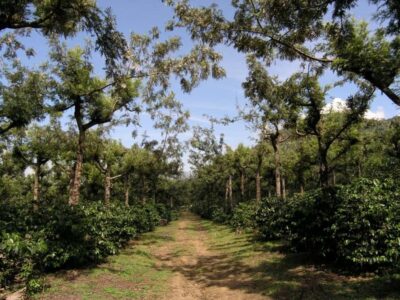
Antigua Sip ‘n Cycle Half-Day Bike Ride and Coffee Tour
Read our review →
Rottnest Island Ferry, Bike, Coffee & Lobster Roll
Read our review →Browse the lists this tour appears in