
Review · CITY HIGHLIGHTS BIKE TOURS
New Orleans: Scenic City Bike Tour
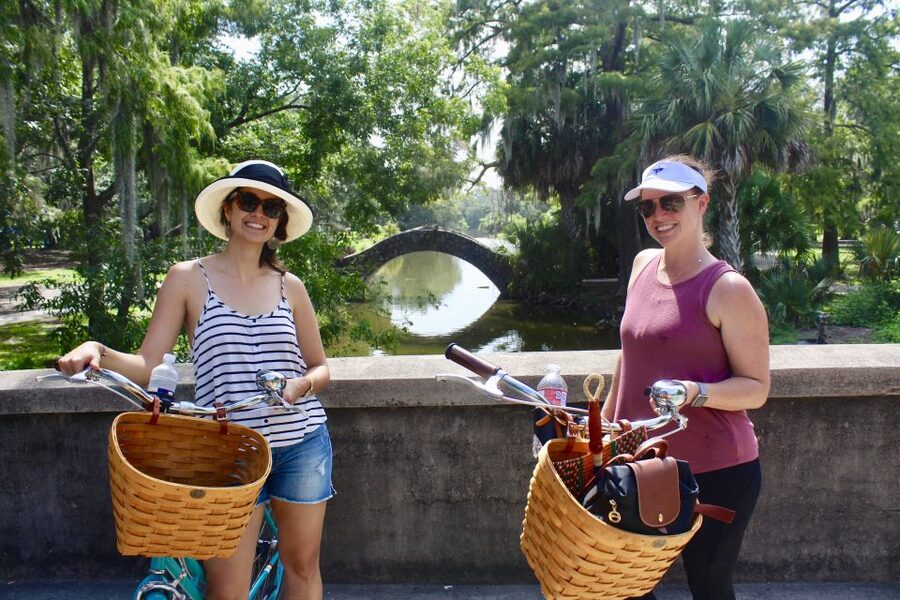
New Orleans makes more sense from a bicycle seat. This three-hour ride leaves the French Quarter behind and follows the city’s old waterways, shady Esplanade Avenue, Creole mansions, City Park, and St. Louis Cemetery No. 3. I especially like the flat, leisurely route and the way it links famous sights with quieter neighborhoods. The small group of no more than 10 also gives the guide room to explain local customs and answer questions.
I like that the tour is about more than pretty streets. You learn how New Orleans expanded into former bayou land, why Bayou St. John mattered to the city’s founding, and how local burial practices developed. The main consideration is the afternoon heat, especially in warm months, and riders must be at least 13 years old, taller than 4 feet 11 inches, and comfortable cycling for three hours.
Key points at a glance
- A route beyond the French Quarter: Ride through Faubourg Marigny, Esplanade Ridge, Mid-City, and City Park instead of staying in the usual visitor zone.
- A close look at burial customs: St. Louis Cemetery No. 3 adds important context about New Orleans funerary traditions.
- A flat three-hour ride: The pace is designed for sightseeing, not speed, with time to stop and listen.
- Bayou St. John explained: Learn how this historic waterway helped Native Americans, French settlers, and the growing city.
- A small English-speaking group: With up to 10 participants, the guide can keep the ride personal.
- Simple practical inclusions: Your bicycle and a bottle of water are provided, and a helmet is available if you want one.
Why a bicycle is a smart way to see New Orleans
New Orleans is compact in some places and spread out in others. The French Quarter, Esplanade Avenue, City Park, Bayou St. John, and the neighborhoods between them are close enough to connect by bike, yet far enough apart that walking the full route would take much of your day.
This tour uses that distance well. You begin in the historic core, then move outward along a route that shows how the city grew. Instead of seeing the French Quarter as the whole story, you get a sense of the wider city and the old waterways that shaped it.
The ride is described as flat and leisurely. That matters in New Orleans, where the main challenge is less about hills and more about heat, traffic, pavement, and staying comfortable for several hours. You are not signing up for a race or a strenuous cycling workout. You are signing up for a moving history lesson with regular points of interest.
I would choose this early in a New Orleans stay. It helps you understand the city’s layout before you spend later days returning to places that caught your attention. It also gives you a useful contrast between the heavily visited French Quarter and the quieter streets beyond it.
More City Bike Tours in the USA
- Asheville Historic Downtown Guided Electric Bike Tour with Scenic Views
★ 5.0 · 1,234 reviews - New York City: Highlights of Central Park Bike or eBike Tour
★ 4.6 · 800 reviews - The Ultimate LA Tour: Full Day Sightseeing Tour On Electric Bike
★ 5.0 · 478 reviews
Starting near the French Quarter
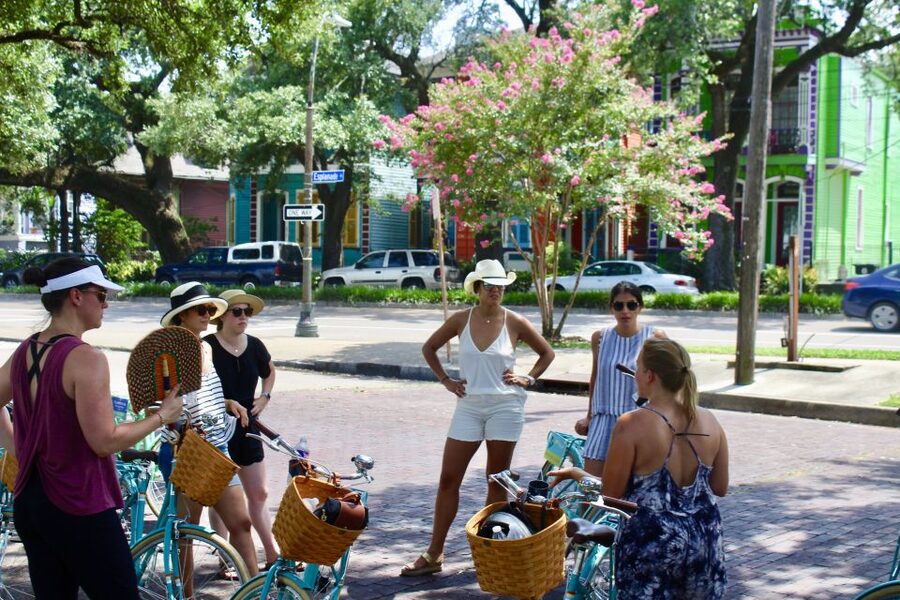
The meeting point is on North Rampart Street, between Toulouse and St. Peter streets, next to Arrow Cafe. After you arrive, you are fitted with a bicycle and given the basic information needed for the ride.
The tour begins in or near the French Quarter, so you first experience the oldest and most familiar part of New Orleans by bike. That opening section is useful because the guide can connect the visible streets and buildings with the city’s larger story before taking you farther afield.
Cycling through the French Quarter also changes the way you look at it. On foot, you tend to focus on balconies, courtyards, restaurants, and music venues. From a bike, you also notice how the Quarter fits into the surrounding neighborhoods and how quickly the city changes once you cross its edges.
The meeting point is central, but hotel pickup is not included. You need to make your own way there, and you should arrive ready to ride rather than expecting transportation between stops. Wear closed-toe shoes and practical clothing. Sandals and flip flops are not allowed.
Faubourg Marigny and the city beyond its postcard center
The route includes Faubourg Marigny, a neighborhood that helps bridge the gap between the French Quarter and the broader city. This is an important part of the ride because it shows that New Orleans culture is not confined to the best-known streets around Jackson Square.
Your guide uses the route to discuss Creole culture and the people who shaped the city. The exact stops and speaking points can vary, but the focus is on how the city developed through its mix of cultural traditions, waterways, architecture, music, and burial customs.
This is where the small group helps. A group limited to 10 people is easier to keep together than a large cycling procession. You can hear the guide more clearly, and it is simpler to stop without turning a narrow street into a traffic problem.
Past visitors have particularly valued guides who make the facts easy to follow. Eric was praised for helping riders understand both local history and how to enjoy the rest of their time in New Orleans. Jeremy was noted for adding a personal connection to jazz as a musician. Those details suggest the quality of the experience depends partly on the guide assigned that day, but the format gives a strong guide plenty of room to make the city feel personal.
Esplanade Avenue and its Creole mansions
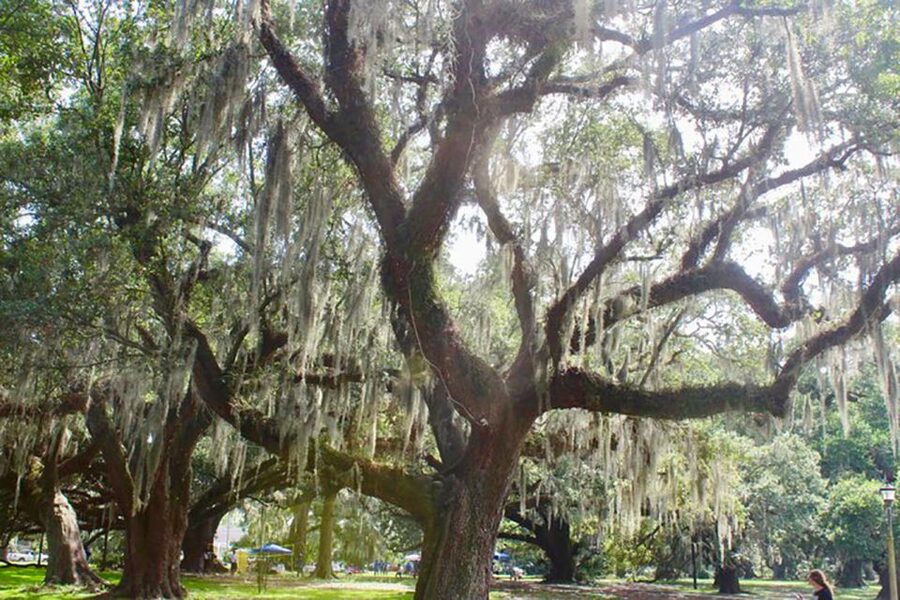
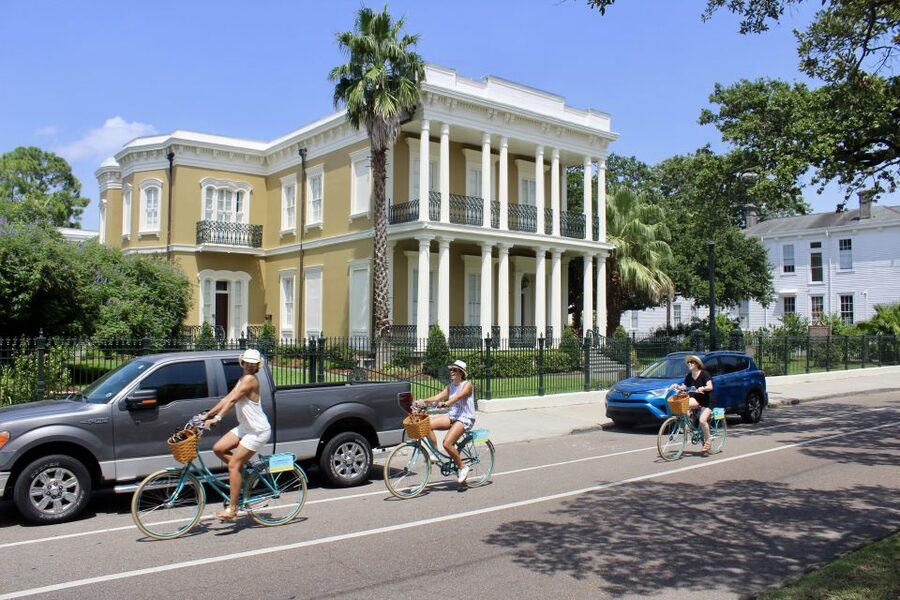
The ride along Esplanade Avenue is one of the visual highlights. Large live oak trees shade the route, while Creole mansions and older homes provide a look at the city’s more opulent side.
This is not simply an architecture pass. Esplanade Ridge helps explain the physical growth of New Orleans. The tour describes how the city expanded into what had once been bayou country, so the grand homes sit within a larger story about drainage, settlement, land, and changing neighborhoods.
The tree cover is welcome, particularly in the afternoon. Still, shade is not the same as air conditioning. New Orleans can be hot and humid, and you should expect to sweat even on a relaxed route. The included bottled water is useful, but I would bring additional water if you tend to drink often, as well as sunscreen and a hat that will stay secure while riding.
The pace is a strong point here. Recent participants described it as comfortable and leisurely, with enough time to take in the stops. That makes the tour suitable for someone who wants to learn while riding, not someone hoping to cover the city at top speed.
Another way to spend a morning on two wheels:
- NYC: Central Park Bike Rentals
★ 4.2 · 2,528 reviews - Red Rock Canyon eBike Half-Day Tour
★ 5.0 · 1,870 reviews - NYC: Central Park Bike Rental
★ 4.1 · 1,651 reviews - Central Park Bike Rental
★ 4.7 · 1,509 reviews
St. Louis Cemetery No. 3 and New Orleans burial customs
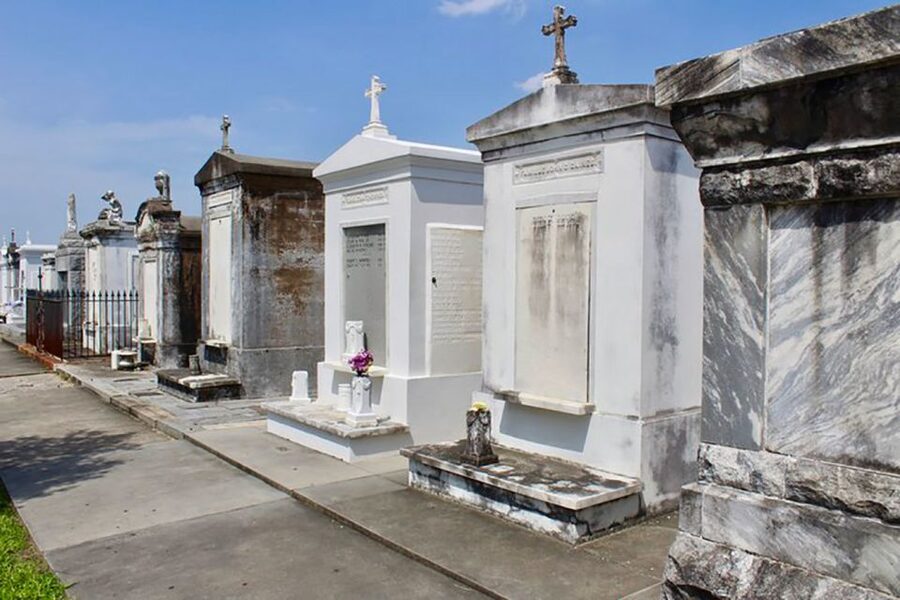
A stop at St. Louis Cemetery No. 3 adds substance to the tour. New Orleans cemeteries are not just atmospheric photo stops. They reflect the city’s burial practices and the practical challenges of building in low-lying, wet ground.
Your guide explains how local customs developed and why above-ground burial became such a familiar feature of New Orleans. This is one of the places where a guide adds real value. Without context, tombs can look like a striking architectural detail. With explanation, they become part of the city’s response to its environment, culture, and traditions.
The cemetery stop also gives the ride a slower, more thoughtful rhythm. You are not simply pedaling from one attraction to the next. You pause to understand a local practice that visitors may otherwise see without grasping its meaning.
You should follow the guide’s instructions closely and treat the cemetery as a functioning sacred place, not just a backdrop. The supplied information does not promise a private tour or a long interior visit, so expect an interpreted stop rather than a full cemetery program.
City Park and the old bayou country
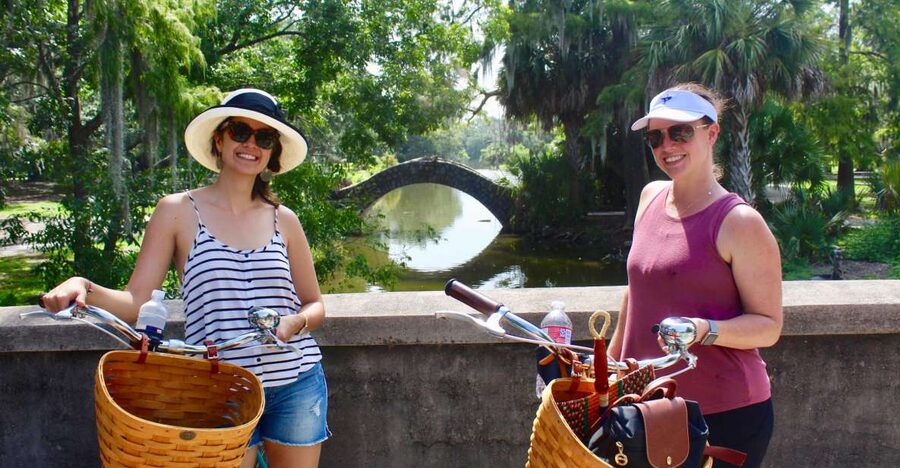
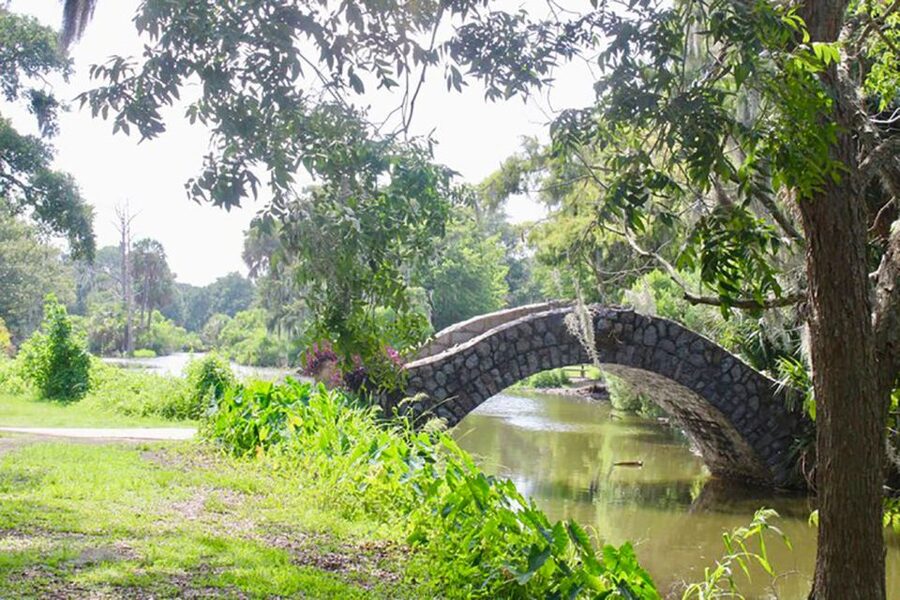
After the cemetery, the route continues toward City Park and its swampy views. This section gives you a different picture of New Orleans, one that is greener and more open than the dense streets of the French Quarter.
The park is also where the city’s former bayou setting becomes easier to understand. The tour connects New Orleans to the wet ground and waterways around it, explaining how the city expanded and adapted. That context is more useful than a list of dates because it helps you read the physical setting as you move through it.
A bike works particularly well here. You cover more ground than you would on foot, but you are still close enough to notice trees, water, and changing views. The route does not require you to sit on a bus and watch the city pass through a window.
The ride through City Park is not presented as a food stop, and food is not included. Plan to eat before or after the tour. If you are booking an afternoon departure, allow enough time for a proper meal earlier in the day, especially since three hours of cycling can leave you hungry.
Bayou St. John and the city’s founding
Bayou St. John is one of the most important teaching stops. This historic waterway was used by Native Americans and French settlers, and its position helped shape the founding and growth of New Orleans.
The value here is the connection between geography and history. Instead of hearing only that the city was founded in a particular place, you learn why the waterway mattered. Bayous were routes of movement, sources of access, and part of the setting that made settlement possible.
This section also gives you a break from the familiar tourist circuit. Bayou St. John, Mid-City, and the nearby green spaces reveal a side of New Orleans that many first-time visitors miss when they stay within the French Quarter and the main downtown streets.
Expect the guide to explain the area while the group pauses or rides at a controlled pace. You should not expect a formal boat trip or a long walk beside the water. The activity is a bicycle tour, and the bayou is part of the route and the story.
Mid-City, the Lafitte Greenway, and Louis Armstrong Park
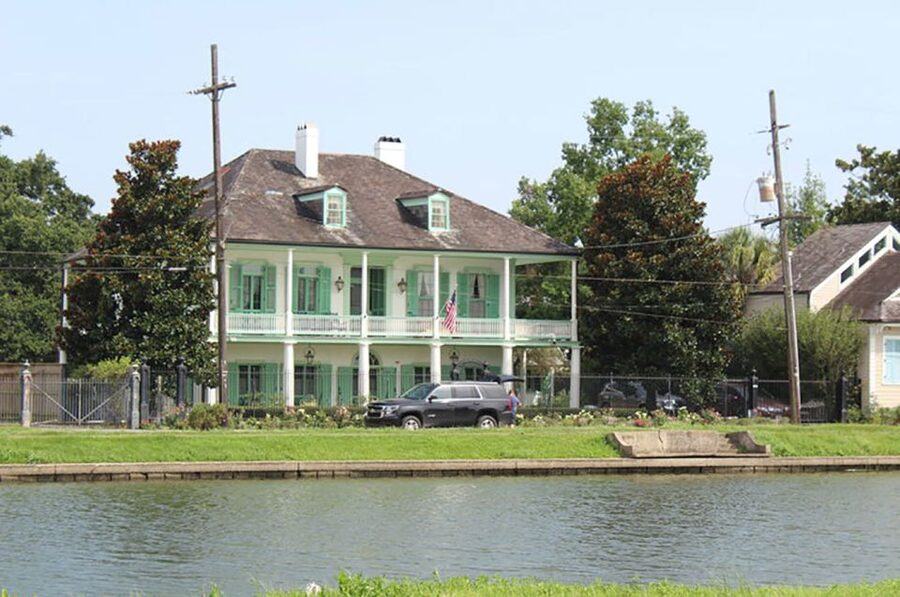
The itinerary also includes Mid-City, the Lafitte Greenway, Louis Armstrong Park, and Congo Square. Together, these places broaden the tour’s cultural focus.
The Lafitte Greenway provides a change from regular city streets and helps keep the ride pleasant. Louis Armstrong Park and Congo Square connect the route to New Orleans music and cultural life. The tour’s attention to jazz is especially promising when your guide has a personal link to music, as Jeremy reportedly did.
Congo Square is a particularly meaningful name in the city’s cultural story. Even without turning the stop into a long lecture, the guide can help you understand why this place matters and how New Orleans traditions developed through African, Creole, Caribbean, French, and other influences.
The exact amount of time spent at each location is not specified, so do not plan on a long independent visit at every stop. The strength of this tour is the way it connects several areas in one continuous outing. For a deeper visit to a museum, cemetery, or park, you may want to return on your own.
Guide quality and group size
The strongest praise for this experience has focused on the guides. People have singled out guides who were easy to listen to, friendly, enthusiastic, entertaining, and well informed about Louisiana history and culture.
That combination matters. A guide can know a great deal and still make a poor tour if the delivery is stiff or hard to hear. Here, the feedback points to a useful balance of information and personality. Eric and Jeremy are two named guides associated with especially positive experiences, although the guide for your departure may be someone else.
The group limit of 10 is another real advantage. You are more likely to hear explanations, ask questions, and stay connected with the guide. Small groups also reduce the sense that you are being moved through the city in a large, slow column.
The tradeoff is that a small-group tour can feel more dependent on the particular mix of riders and the guide’s style. The supplied information confirms English as the tour language, so you should be comfortable following explanations in English.
Is $55 a fair price?
At $55 per person, the tour offers three hours of guided sightseeing, bicycle use, a bottle of water, and access to a route that would be difficult to organize efficiently on your own. I consider that fair value for New Orleans, especially if you want history and orientation rather than simply renting a bike.
A basic bike rental might cost less, but it would not provide the route planning, local context, or explanations at the cemetery and bayou. You would also need to work out how to connect the French Quarter, Esplanade Avenue, City Park, Bayou St. John, Mid-City, and the other stops without wasting time.
The price does not include food, hotel pickup, or drop-off. That keeps the cost clear, but it means you should budget for your own meal and transportation to North Rampart Street. A helmet is optional, and one bottle of water is included.
Free cancellation up to 24 hours before the tour and the option to reserve now and pay later make the booking less rigid. Those policies are useful if your New Orleans schedule is still changing, but the main value is in the experience itself: a compact way to understand how the city extends beyond the French Quarter.
Who should book this ride?
I would recommend it to first-time visitors who want a broad introduction to New Orleans, couples and friends who enjoy active sightseeing, and anyone who learns better while moving through a place. It is also a good fit if you have already seen the French Quarter and want to understand the neighborhoods beyond it.
You need to be at least 13 years old and taller than 4 feet 11 inches. Anyone under 18 must ride with a legal guardian. Children under 13 cannot take part, and unaccompanied minors are not allowed.
This is not the right choice if you dislike cycling, struggle with heat, want a private vehicle, or prefer to spend a whole afternoon at one attraction. It may also be a poor fit if you are looking for a food tour, since no food is included and eating is not the focus.
You must sign a waiver, avoid arriving intoxicated, and wear proper shoes. The route is relaxed, but you still need enough comfort and balance to ride for three hours.
My verdict: book it for context, not speed
Book this tour if you want New Orleans to make more sense as a city, not just as a collection of famous streets. The route brings together the French Quarter, Creole homes, burial customs, bayou geography, City Park, jazz connections, and neighborhoods that many short visits overlook.
The best reasons to go are the easy pace, the small group, and the guides’ ability to make local history entertaining. The main drawbacks are the afternoon heat, the age and height limits, and the fact that you need to arrange your own food and transport to the meeting point.
For $55, I think it is a sensible choice for an active introduction to New Orleans. Bring closed-toe shoes, water, sun protection, and curiosity. If you do, this ride can give you a useful map of the city and several reasons to return to its neighborhoods on foot.
FAQ
How long does the New Orleans Scenic City Bike Tour last?
The tour lasts three hours and is usually available in the afternoon.
Where does the tour meet?
The meeting point is on North Rampart Street in the French Quarter, between Toulouse and St. Peter streets, next to Arrow Cafe.
What places does the bike tour visit?
The route includes the French Quarter, Faubourg Marigny, Esplanade Avenue, St. Louis Cemetery No. 3, City Park, Bayou St. John, Mid-City, the Lafitte Greenway, Louis Armstrong Park, and Congo Square.
Is the route difficult?
The route is described as flat and leisurely. You should still be comfortable cycling for three hours and riding in potentially warm conditions.
What is included in the price?
The tour includes use of a bicycle, one bottled water, and an optional helmet. Food and hotel pickup or drop-off are not included.
Who can participate?
Participants must be over 13 years old and taller than 4 feet 11 inches. Anyone under 18 must be accompanied by a legal guardian. Sandals and flip flops are not allowed, and all participants must sign a waiver.
Latest bike tours added in the USA
- Brooklyn Neighborhoods Small-Group Bike Tour★ 5.0 · 137 reviews
- Hudson Valley Craft Brewery Bike Tour★ 5.0 · 23 reviews
- A Day in Brooklyn Bike Tour★ 5.0 · 59 reviews
- Ridden- Fat Bike Beer & Distillery Tour★ 5.0 · 160 reviews
- Ridden-Spring and Summer E-Bike Rentals Breckenridge To Frisco★ 5.0 · 40 reviews
- Best Family Small-Group E-Bike Guided Tour in Boulder, Colorado★ 5.0 · 28 reviews
- Original eBike Tour – Best of Boulder – guided Bike Tour★ 5.0 · 236 reviews
- Comfort Hybrid Boston City Bike Rental★ 4.0 · 15 reviews
City Highlights Bike Tours, compared.

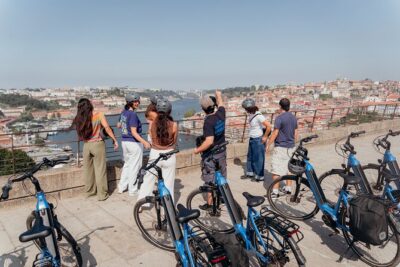
3-Hour Porto Highlights on a Electric Bike Guided Tour
Read our review →
City Highlights 3-Hour Guided Electric Bike Tour
Read our review →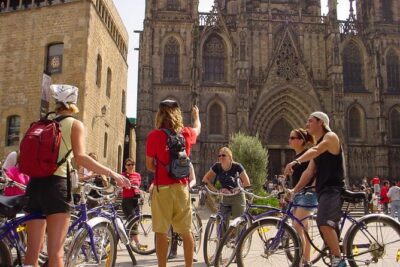
Highlights & Hidden Spots of Barcelona Bike Tour w/ Local Guide
Read our review →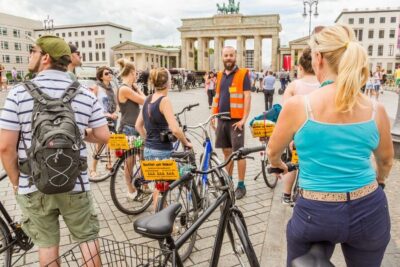
Sights and Highlights Bike Tour with a Local Guide
Read our review →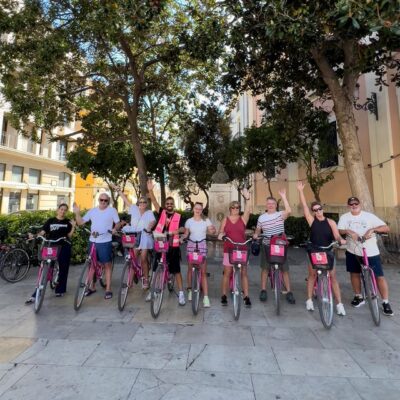
Highlights 3 Hour Bike Tour with a Local Guide
Read our review →
Browse the lists this tour appears in