
Review · MARRAKECH BIKE TOURS
Marrakech:Guided City Cycling Tour – Culture, Colors & Charm
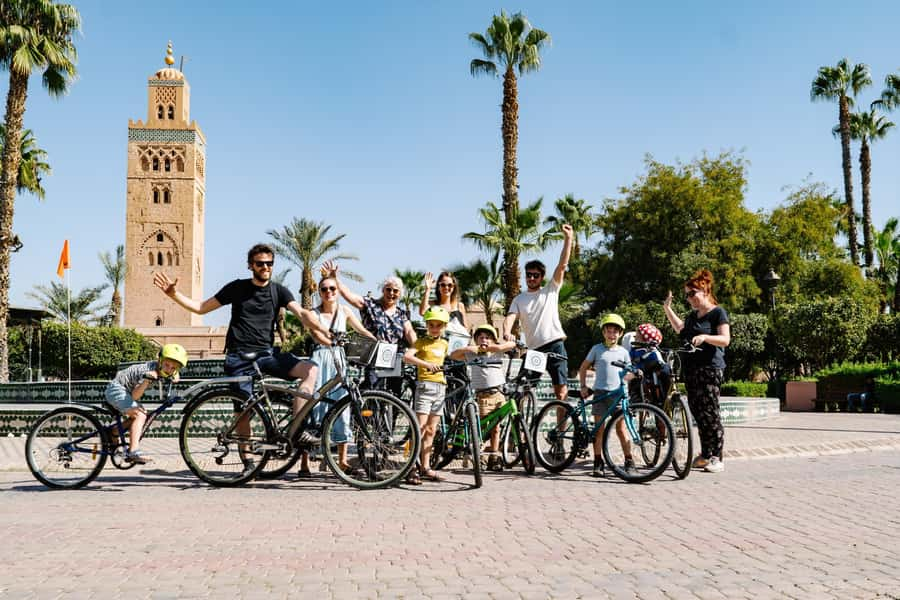
The most revealing way to see Marrakech is on two wheels, where the Medina’s narrow lanes give way to ramparts, parks, cafés, and the broad streets of Gueliz. This tour lets you watch the city change block by block, with local guides such as Hanan, Ayoub, Selma, and Abdo leading the way.
I like the mix of old and new Marrakech, and I like the chance to meet artisans rather than simply photograph monuments. The $32 price also covers a good bike, helmet, water, a drink, and a three-hour local guide. The catch is simple: city cycling here demands confidence, since souks, pedestrians, scooters, and traffic all share limited space.
Key points
- Medina to Gueliz in one ride: See the old city, ramparts, parks, train station, and Royal Theater in a single outing.
- Local guides lead the way: Hanan, Ayoub, Selma, Tariq, Nana, and others are praised for safety, clear explanations, and warm local advice.
- A real artisan stop: Watch a traditional ceramics maker shape clay using techniques passed through generations.
- Good family flexibility: A tagalong is available, and one guide rode with a nine-year-old child on the equipment.
- A social purpose: Marrakech Green Wheels trains young Moroccan guides and supports bicycle access for children getting to school.
- A useful first-day activity: The route helps you understand the city before exploring it on foot.
Why a bicycle works in Marrakech
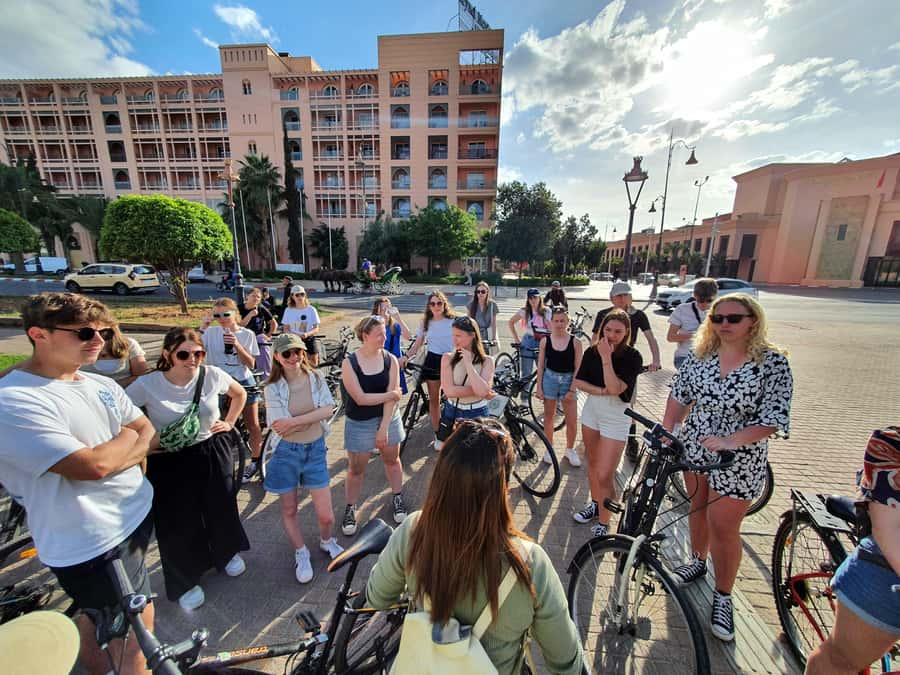
Marrakech can feel hard to read at first. The Medina has a maze of lanes, the souks are full of people and merchandise, and roads outside the old town carry a steady stream of cars, scooters, and pedestrians. On foot, you see details but may cover little ground. By taxi, you miss the street-level action.
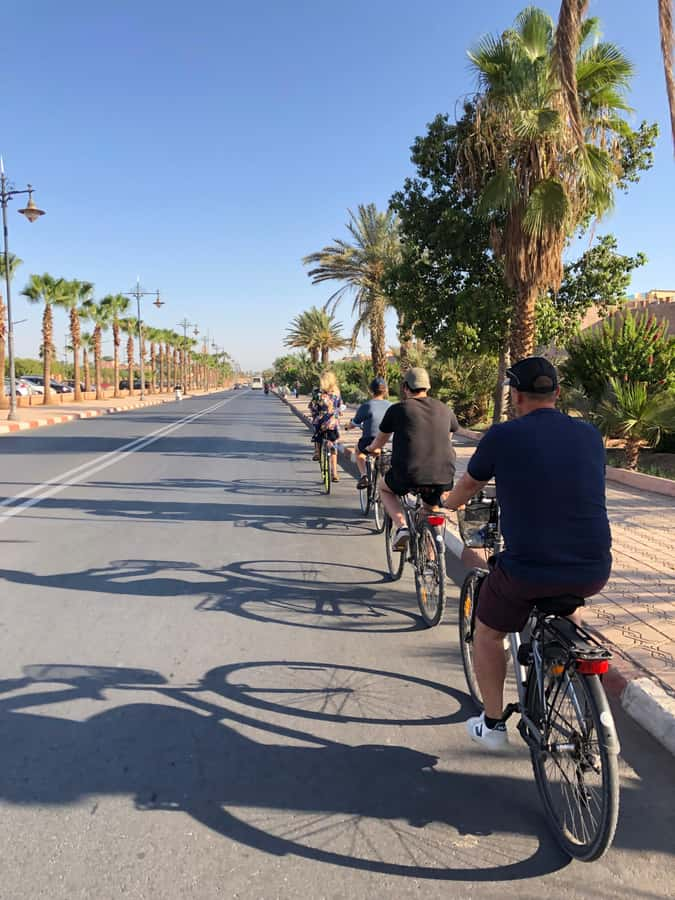
A bicycle gives you a middle ground. You move slowly enough to notice family shops, doorways, neighborhood life, and changing architecture, but quickly enough to connect the old city with Gueliz. The guide handles the route and helps with crossings, so you can pay attention to the city instead of staring at a map.
This is not a quiet countryside ride. You will cycle among people and traffic, particularly in and around the Medina. Several guides are praised for keeping groups together and choosing a comfortable pace, but the experience still suits a rider who can steer, brake, and stay calm in tight spaces.
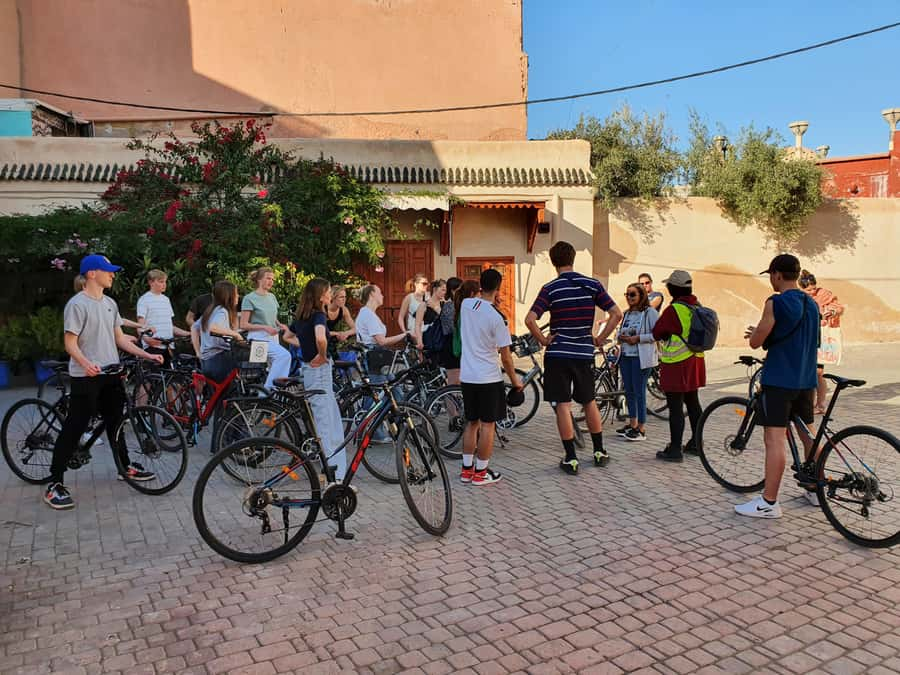
The tour uses small groups, with one reported outing carrying ten participants and two guides. That arrangement matters here. A large line of bicycles would be awkward in the souks, while two guides can watch both the front and back of the group.
More guided departures in the world:
- 3-Hour Porto Highlights on a Electric Bike Guided Tour
★ 5.0 · 4,392 reviews - Small Group Guided Bike Tour of Amsterdam’s Hidden Gems
★ 5.0 · 3,936 reviews - Porto: City Highlights 3-Hour Guided Electric Bike Tour
★ 4.8 · 3,092 reviews
Meeting the guides near the Royal Palace
The starting point is Marrakech Green Wheels, in front of Hotel Les Borjs de Kasbah. Look for the standing orange flag marked CYCLING. This is near the Royal Palace area, a useful place to begin because the route starts close to the old city rather than wasting much of the three hours on transfers.
The local guide is central to the experience. Hanan is praised for calm street guidance and clear explanations of Marrakech’s culture. Ayoub is noted for thoughtful answers and a steady pace. Selma combines stories about the city with practical advice, while Abdo is described as an engaging English-speaking guide who includes both a lemonade stop and a tilemaking demonstration.
Guides also speak English, French, or Dutch. Since the city itself is the main subject, a good guide makes a major difference. You are not simply following a route. You are learning why a quarter matters, how the city has changed, and where daily life continues away from the famous sights.
The bikes are described as well maintained, and helmets are supplied for safety. Bottled water is included. You can also expect a relaxed pace rather than a fitness workout, although the setting makes the ride more demanding than the distance alone suggests.
Through the Medina, where the route gets tight
The Medina is the tour’s most memorable section. You cycle through winding souks, artisan quarters, family-run shops, and narrow lanes shaped by generations of work and trade. The route includes the area around Koutoubia Mosque, Riad Zitoun, the Mellah, and the Kasbah.
This part is less about checking off monuments and more about seeing how the old city functions. A workshop may sit beside a food stall, a small shop may open directly onto the lane, and a historic quarter may still be part of ordinary neighborhood life. Your guide provides the context that helps these scenes make sense.
The Kasbah is the old royal neighborhood, and Bab Agnaou is one of the notable stops along the way. You will have only a short visit at this point, about five minutes, so do not expect a long architectural study. It works better as a brief look at the gateway and a reminder of the city’s former royal power.
The Mellah adds another layer to the route. The area connects Marrakech with the history of its Jewish community and its place within the old city. The itinerary does not promise an extended museum visit, so the value lies in the guide’s explanation and in seeing the quarter as part of the living Medina.
You should also expect interruptions. People have priority in many narrow passages, and the group may need to slow, stop, or walk the bikes briefly. That is not a flaw in the tour. It is the nature of cycling through the old city. Still, anyone hoping for uninterrupted pedaling should choose a different activity.
Quiet corners and a working ceramics studio
One of the route’s strongest features is its attention to places that are easy to miss without local help. Zaouia Al Abassiya is a serene sixteenth-century spiritual sanctuary still valued by local residents. It offers a calmer pause after the close lanes of the souks.
The ceramics workshop gives the tour a hands-on cultural focus without turning into a shopping stop. You watch an artisan shape clay using methods passed from one generation to the next. The point is not only the finished object. You see the patience, control, and repeated movements behind work that can look effortless in a shop window.
This stop also gives you a chance to meet someone connected to Marrakech’s working traditions. That human contact is one reason I rate this tour above a standard monument circuit. You are not only hearing about craft. You are seeing the process and the person behind it.
The timing is sensible. The workshop and sanctuary break up the cycling, and the guide can answer questions in a setting where conversation is easier than it is in traffic. If you have an interest in Moroccan ceramics, ask questions as you go. The information provided does not promise a full workshop lesson, so think of this as a close look and demonstration rather than a class.
More bike tours in the world:
- Lion City Bike Tour of Singapore
★ 5.0 · 6,211 reviews - Big Bike tour Amsterdam – See all in 3 unforgettable hours
★ 4.7 · 4,929 reviews - Ninh Binh Full-Day Tour from Hanoi to Hoa Lu, Tam Coc & Mua Cave Via Boat & Bike
★ 5.0 · 4,384 reviews - 3-hour Complete Prague Bike Tour
★ 5.0 · 3,674 reviews
Along the twelfth-century ramparts
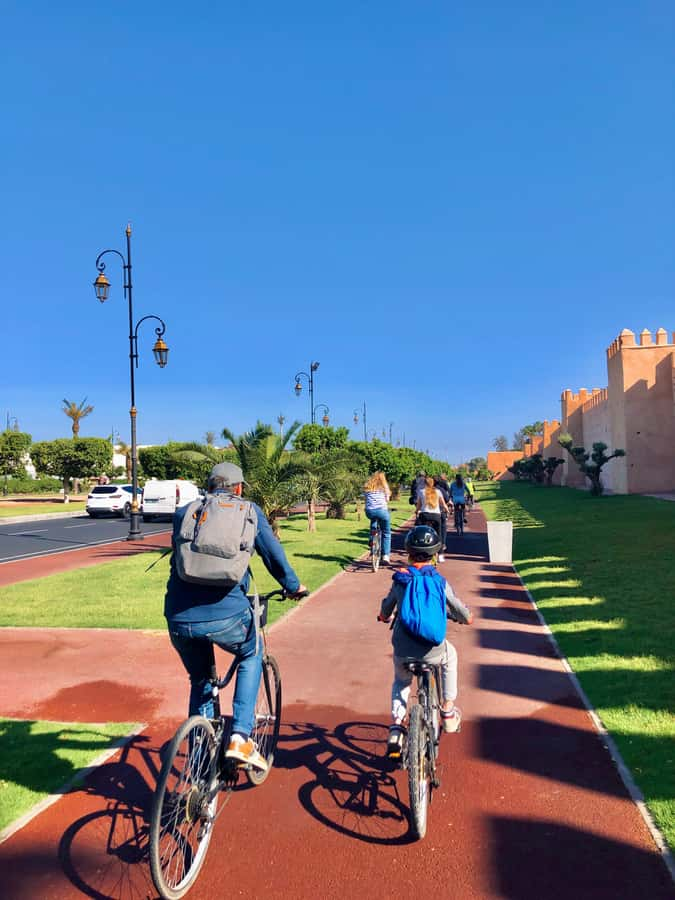
The Marrakech ramparts provide one of the route’s best photo opportunities. The walls date to the twelfth century and show how the city was protected and organized over time. Cycling beside them gives you a sense of scale that is harder to get from a single gate or monument.
The pace here should feel more open than in the Medina. You can look up, take in the long lines of the walls, and listen while the guide explains how Marrakech has changed around them. The stop lasts about thirty minutes, making it one of the more substantial parts of the outing.
Bring your camera, but keep it ready rather than expecting a formal photo session. You may want images of the ochre walls, gateways, and passing streets. The best value is the comparison: after the close lanes of the souks, the ramparts make the old city’s size and shape easier to understand.
The shift to Gueliz and modern Marrakech
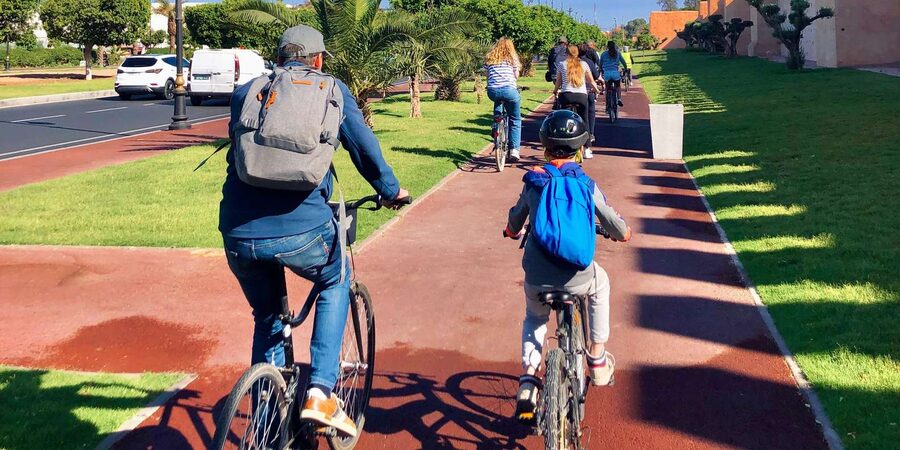
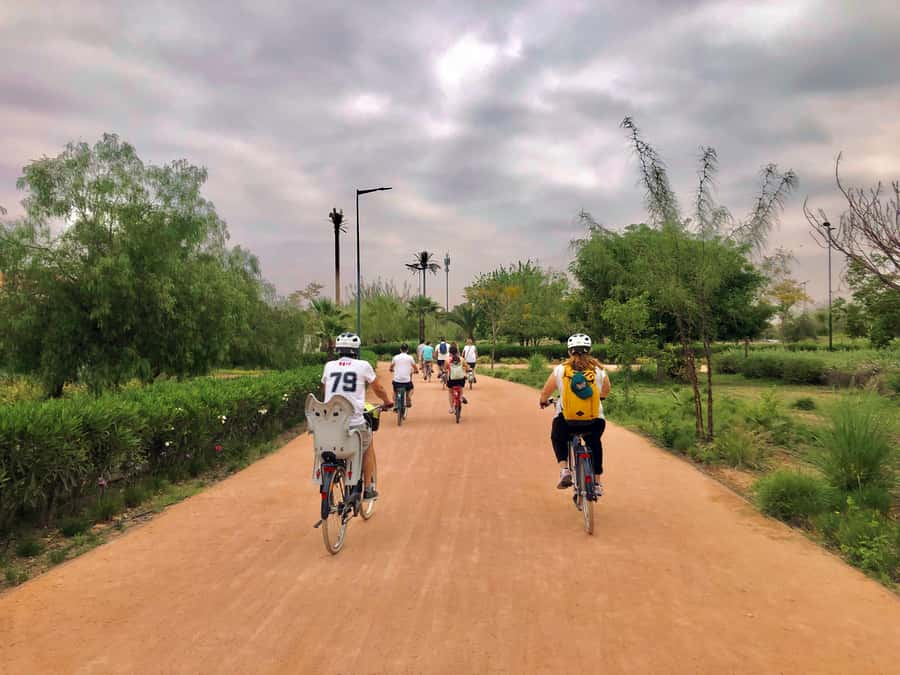
The move toward Gueliz changes the feel of the tour. Built in the early twentieth century, the district has wider roads, green parks, cafés, and a more modern street plan. You see a Marrakech shaped by later urban growth rather than only by the Medina.
The route includes the Marrakech train station and the Royal Theater. The theater offers a photo stop and a guided look at its design, while the station shows how the city connects to the wider country. These are brief visits, but they help you see present-day Marrakech as more than an old walled town.
Gueliz is also where the tour’s community focus becomes especially clear. The guide can point out the everyday city of younger residents, cafés, parks, and creative spaces. It is a useful counterpoint to the souks, and one reason this route covers more ground than a walking tour.
The roads are wider, but that does not mean you can switch off. Traffic remains part of the experience. Guides such as Tariq and Nana are praised for helping groups cross busy roads, and several people describe feeling safer than expected. Even so, stay alert and follow the guide’s signals.
Mint tea, fresh juice, and practical advice
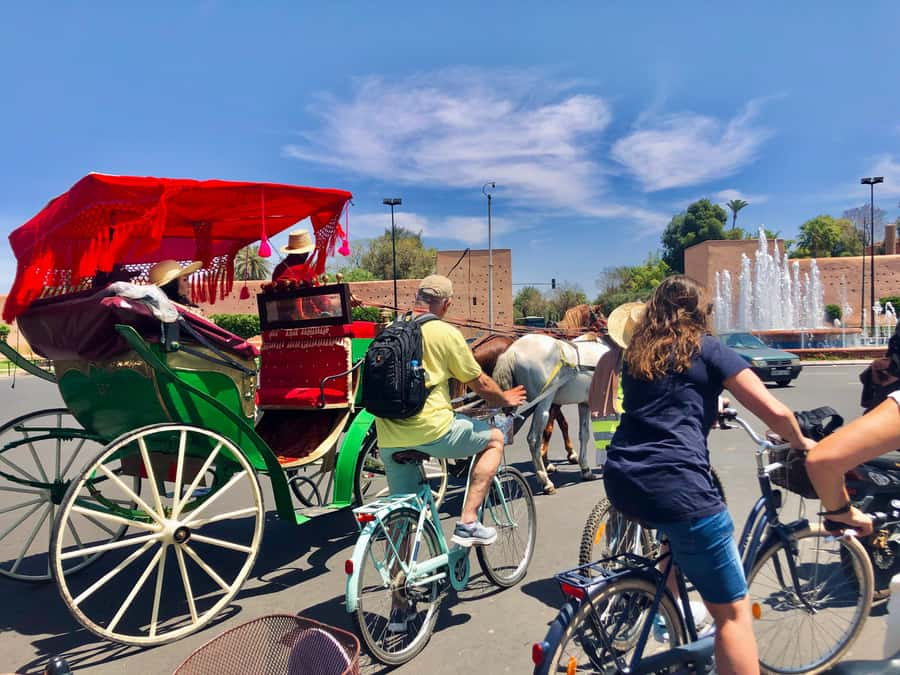
The ride ends with a break at a cozy Medina café. You receive Moroccan mint tea or fresh juice, along with bottled water during the ride. This is more than a refreshment included in the price. It gives you time to sit down, ask questions, and get recommendations for the rest of your stay.
A café stop also allows the group to settle after cycling through busy streets. You can compare what you saw in the Medina with the wider city and ask about places to eat, shop, or visit. The guides share personal stories and explain the project’s aim of supporting young people through cycling, culture, and sustainable tourism.
At $32 per person, the value is strong if you want a broad introduction to Marrakech. You receive three hours of guiding, a quality bike, a helmet, water, and a tea or juice. Entry fees to attractions are not included, but the route is mainly about streets, neighborhoods, views, and guided stops rather than paid indoor visits.
I would not book it only to save money on transport. Book it because the bicycle changes what you can see. You cover more ground than on foot and get closer to daily life than you would from a vehicle.
Who will enjoy this ride most
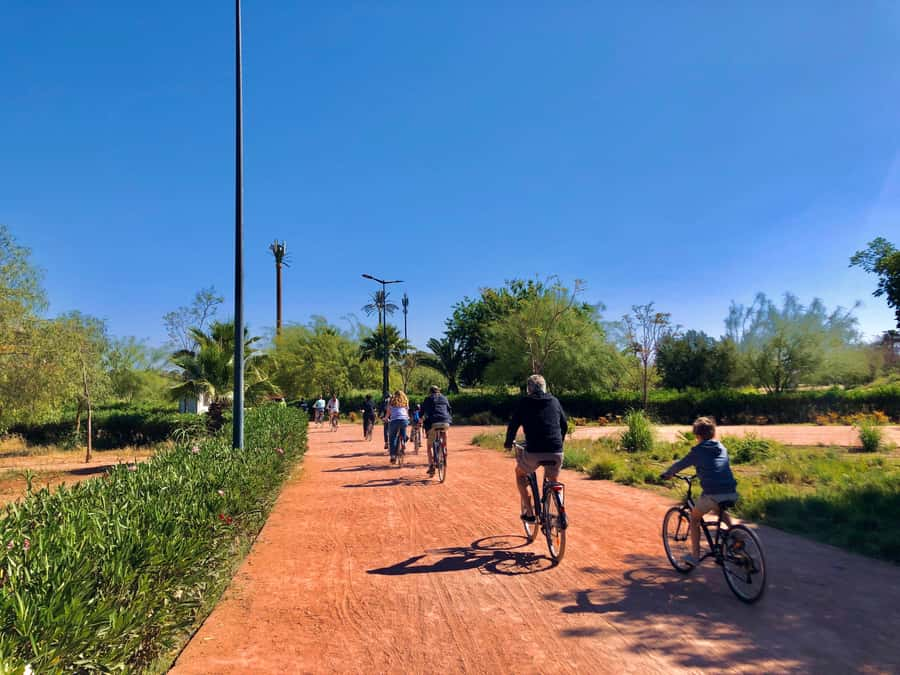
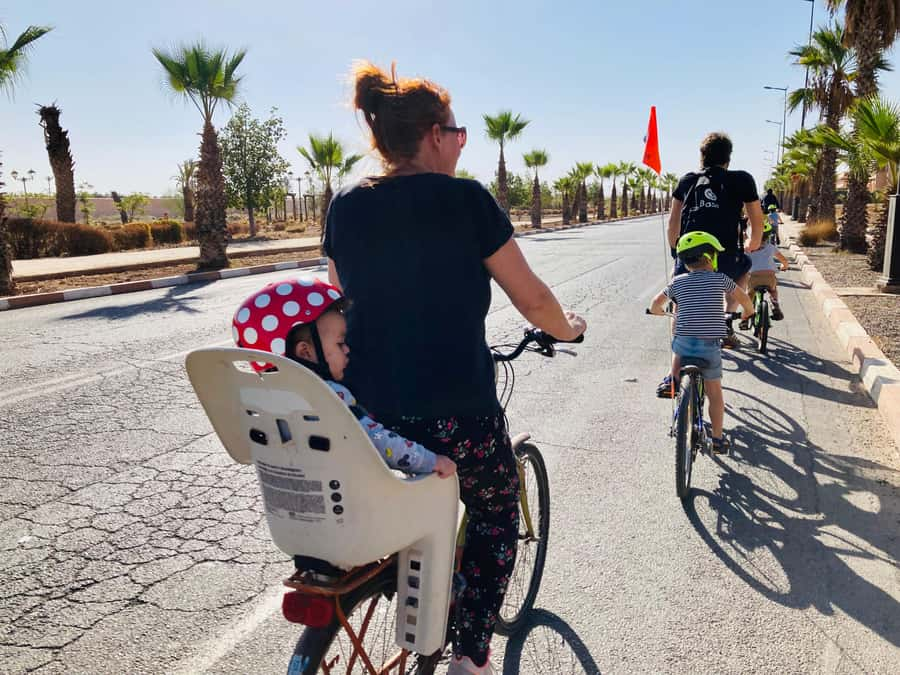
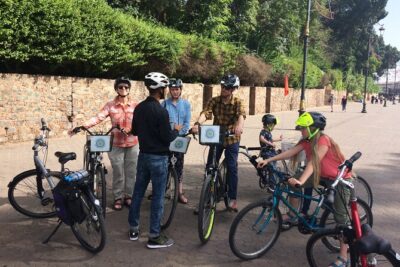
This tour suits confident casual cyclists, couples, families with older children, and anyone who wants an orientation on the first day in Marrakech. Several families have managed the route with children, including a four-year-old and a nine-year-old using a tagalong arrangement.
The tagalong deserves a special note. One guide, Yassir, rode with a nine-year-old child when the parent could not use the available equipment because of bike height. That suggests useful flexibility for families, but you should confirm the setup for your own child before booking.
You do not need to be a racing cyclist. The pace is described as slow enough for different ages, with frequent stops for sights and explanations. You do need balance, braking control, and enough confidence to handle narrow streets and busy crossings.
The tour is not suitable for pregnant women or babies under one year. Headphones are not allowed, which makes sense for safety and lets you hear the guide and surrounding traffic.
Booking details and best use of your time
The activity lasts three hours, with starting times based on availability. Cancellation is free up to 24 hours before the start, and you can reserve now and pay later. Those terms help if your Marrakech schedule is still shifting.
The meeting point is easy to identify because of the orange CYCLING flag, but give yourself enough time to find Hotel Les Borjs de Kasbah. Bring comfortable clothing, water-friendly sun protection, and a small bag that will not interfere with steering. The tour provides water, but you may still want your own bottle for afterward.
I would schedule this near the beginning of your stay. The route gives you a map in your head: you see how the Medina relates to the Kasbah, Mellah, ramparts, and Gueliz. Later, you can return to places that caught your eye without spending your first day guessing which lane leads where.
Do not wear headphones, and do not treat the ride as a chance to take constant photos. The streets require attention. Stop when the guide stops, keep space between bikes, and let the guide manage crossings.
Should you book Marrakech Green Wheels?
Book this tour if you want Marrakech explained through its streets, not just a list of major sights. The combination of Medina lanes, artisan work, ramparts, Gueliz parks, the Royal Theater, and a café break gives you a well-rounded introduction in three hours.
Skip it if you dislike cycling near traffic, feel uneasy on uneven or narrow routes, or want a slow museum-focused tour. The city can be demanding on a bike, even with careful guides.
For most capable riders, the reward outweighs the nerves. You meet young local guides, support a social-impact project, see both old and modern Marrakech, and finish with practical advice over mint tea or juice. At $32, that is a fair price for an active and unusually personal way to get your bearings.
FAQ
How long is the Marrakech Green Wheels cycling tour?
The tour lasts three hours, including cycling, guided stops, a café break, and the return to Marrakech Green Wheels.
Where does the tour meet?
You meet at Marrakech Green Wheels in front of Hotel Les Borjs de Kasbah. Look for the standing orange flag marked CYCLING.
What languages are available?
The live guides speak English, French, or Dutch.
Are bikes, helmets, and drinks included?
Yes. The tour includes a quality bike, helmet, bottled water during the ride, Moroccan mint tea or fresh juice, and a local cultural guide.
Does the route include both the Medina and Gueliz?
Yes. You cycle through the Medina, Kasbah area, souks, artisan quarters, and along the ramparts before continuing to Gueliz, the train station, parks, and the Royal Theater.
Is the tour suitable for children?
Families have taken children on the tour, including children using a tagalong. However, the ride includes busy roads and narrow streets, so children need appropriate support and riders should be comfortable with city cycling. The activity is not suitable for babies under one year.
Latest bike tours added in the world
- Brooklyn Neighborhoods Small-Group Bike Tour★ 5.0 · 137 reviews
- Hudson Valley Craft Brewery Bike Tour★ 5.0 · 23 reviews
- The Best of Bristol Bike Tour★ 5.0 · 39 reviews
- A Day in Brooklyn Bike Tour★ 5.0 · 59 reviews
- Brisbane Kayak, Bike★ 4.5 · 23 reviews
- Brisbane Electric Mountain Bike Experience Tour★ 5.0 · 48 reviews
- 2 Hour Private Brisbane Mountain Bike Coaching Session and Ride★ 5.0 · 24 reviews
- Private Bike Tour with Olive Oil Tasting★ 4.5 · 15 reviews
Marrakech Bike Tours, compared.
Marrakech’s Best Cycling Tour: Culture, Colors, and Charm
Read our review →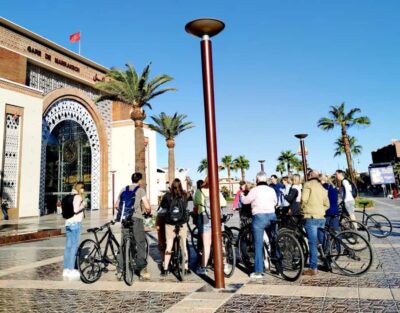
Cycling Tour in Palm Groove with Local Breakfast
Read our review →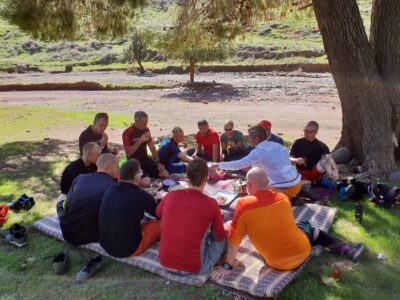
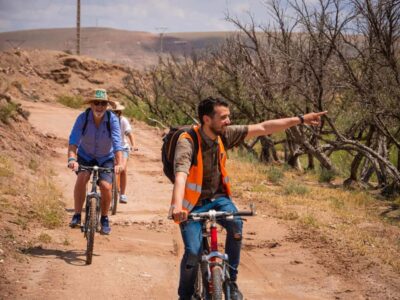
Marrakesh: Toubkal National Park Mountain Bike Trip w/Lunch
Read our review →
Browse the lists this tour appears in